 admin
admin
Foreword
In Hong Kong, a dehumidifier is a seasonal sidekick, rolled out for the infamous “spring mist.” In Britain, it’s an unsung hero—a permanent household guardian, quietly maintaining the health of both your home and family. Many newcomers arrive in the UK, comforted by the myth that “the air here is dry,” only to encounter foggy windows and the sinister spread of black mould. The real battle in British homes isn’t against the rain outside, but the insidious moisture within. This feature unpacks the science, the scandals, and the strategies behind dehumidifiers—revealing how this humble appliance is central to British life, from microscopic health threats to the grand architecture above your head.
I. Shattering the “Dry Britain” Myth: Why Is Your House Still Mouldy?
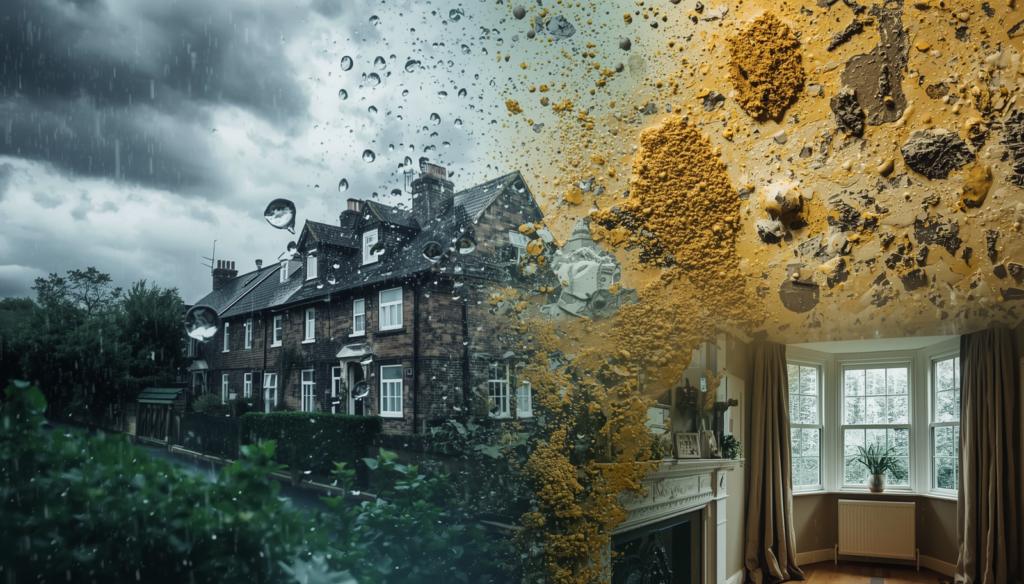
The idea that the UK doesn’t need dehumidifiers is a classic misconception—one rooted in outdoor humidity stats, not real-life living. Indoors, Britain is a different beast. The culprit? Condensation. When crisp winter air meets a toasty interior, the clash causes moisture in the warm air to deposit as water on cold surfaces—think single-glazed windows, draughty sills, and chilly walls. Ignore it, and you’ll soon spot black mould creeping into corners, and damp patches rising up from skirting boards. Add in indoor clothes drying (a British necessity during endless rainy months) and you’ll find humidity levels soaring. In older homes, thick brick walls and limited ventilation serve as a moisture trap, turning your living room into a petri dish.
II. Breathing Easy: The Damp–Mould–Health Domino Effect

Let humidity linger above 60% and you’re rolling out the red carpet for dust mites and mould. These uninvited guests release countless airborne spores, triggering everything from persistent coughs and blocked sinuses to full-blown asthma attacks and eczema flare-ups. Vulnerable groups—children and seniors—face even greater risks, including serious respiratory infections. The magic number? Keep your indoor humidity between 50% and 55% to halt the life cycle of dust mites and stop allergens before they start. That’s where the dehumidifier earns its stripes, safeguarding both lungs and peace of mind.
III. The British Allergen Nobody Warns You About: Why Hay Fever Hits Harder Here Than in Japan

Think hay fever is just Japan’s problem? Think again. Britain boasts one of the world’s highest rates of allergic rhinitis, thanks to a “relay race” of pollen:
- Tree Pollen (March–May): Birch and oak dominate the spring.
- Grass Pollen (May–July): The main offender, tormenting 95% of sufferers.
- Weed Pollen (June–September): Ragweed and mugwort keep the misery rolling.
Pollen may originate outdoors, but it rides in on hair, clothing, and through open windows. If your dehumidifier features a HEPA filter, it can trap these microscopic invaders—along with indoor mould spores, which often cross-react with pollen and intensify allergy symptoms. Without strict humidity control, you risk turning your home into a haven for all things sneeze-worthy.
IV. The HEPA Advantage: Purifying Air While You Dry It

Browse any UK appliance store and you’ll see the HEPA (High-Efficiency Particulate Air) badge everywhere. This gold-standard filter snags 99.97% of particles as tiny as 0.3 microns—including mould, pollen, pet dander, and even some bacteria and viruses. As your dehumidifier draws in moist air, the HEPA filter acts as a bouncer, trapping nasties before releasing crisp, clean air. For hay fever sufferers and the health-conscious alike, it’s an indoor game-changer.
V. Architectural Armour: Dehumidifiers as Home Protectors
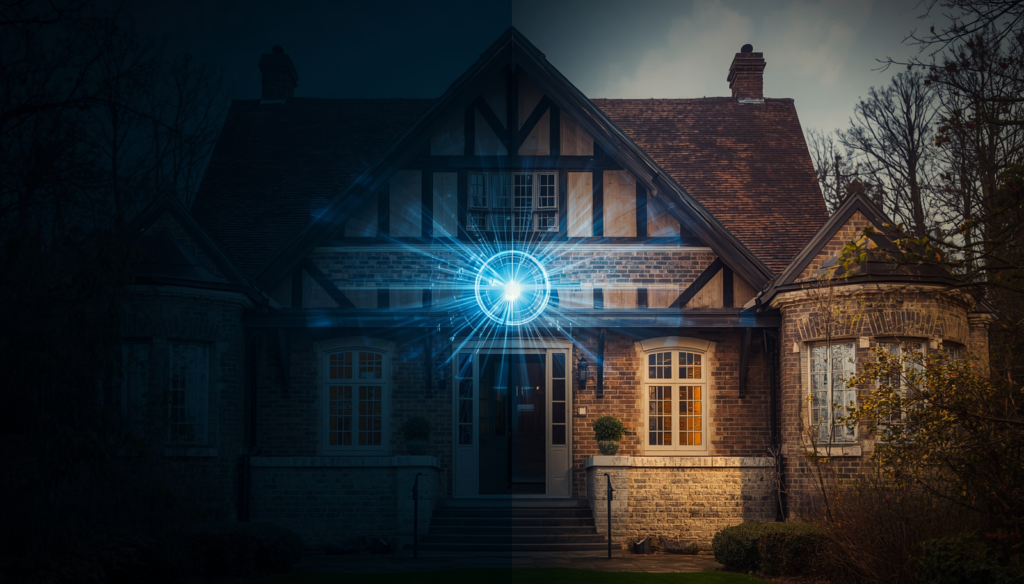
Those charming Victorian terraces and grand Edwardians? Beneath their elegance lies a ticking time bomb: wood rot. Persistent damp encourages fungal decay in joists, window frames, and loft timbers, undermining your home’s very skeleton. Wallpaper peels, paint bubbles, and even structural components like wall ties can corrode. Deploying a dehumidifier is like fitting your home with invisible armour, shielding bricks, beams, and beloved furniture from the ravages of British moisture.
VI. Red Alert: When Your Water Tank Turns Pink
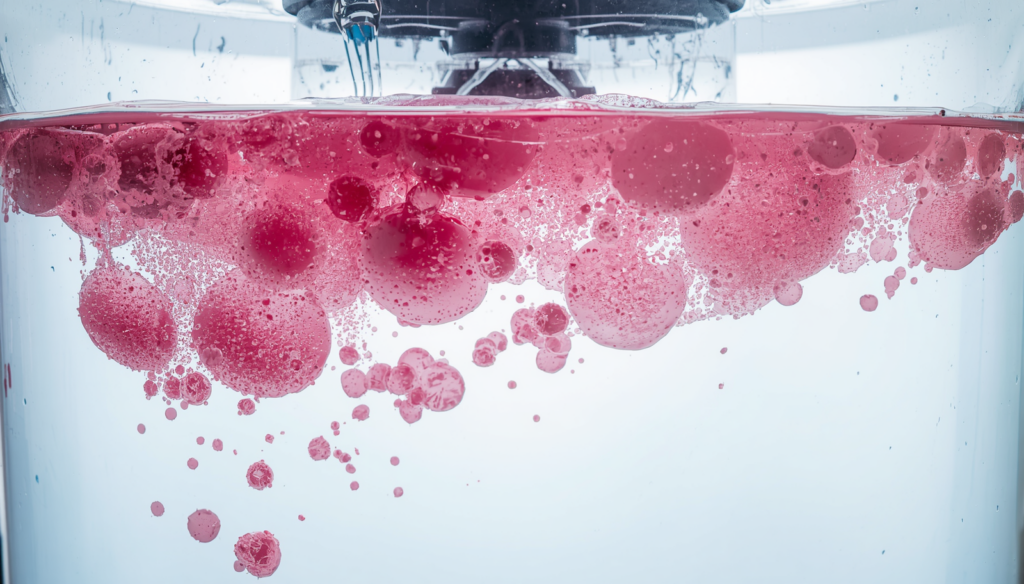
Spot a reddish or pink biofilm in your dehumidifier’s water tank? Meet Serratia marcescens—a bacterium that thrives in damp, warm places. Here’s how to tackle it:
- Disinfect Thoroughly: Remove the tank and soak it in a diluted bleach solution (1:99). Bleach’s oxidising power wipes out the bacteria.
- Scrub Hard: Biofilms are stubborn. Use a brush or sponge to break up the slime—rinsing won’t cut it.
- Stay Vigilant: Always empty and dry the tank when not in use, and clean it monthly with dish soap to prevent recurrence.
VII. Choosing Your Champion: Japanese Imports vs. Local Legends
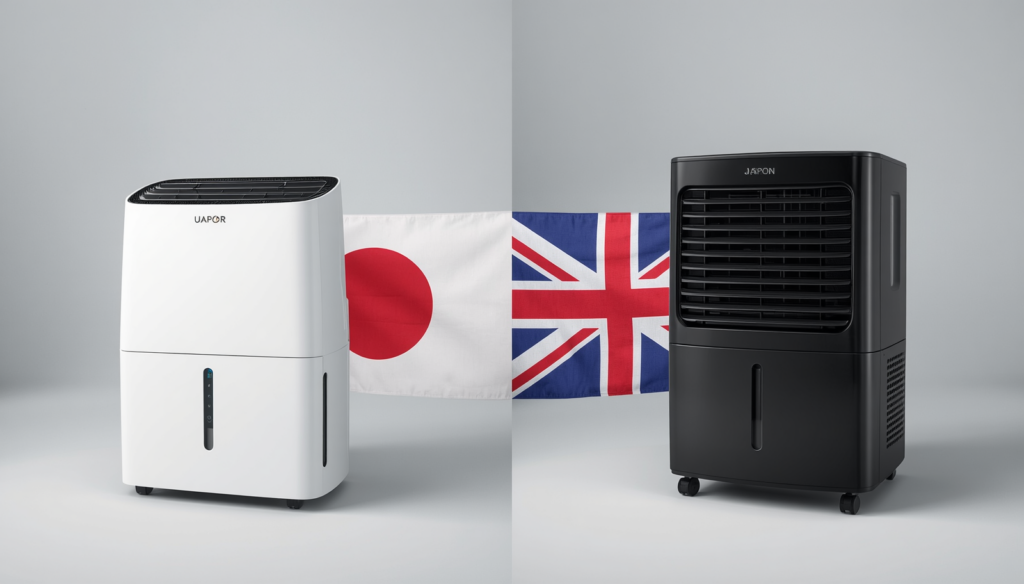
- Japanese Brands: Machines like Mitsubishi and Panasonic are top performers, but UK repairs are a headache. Compressor models, common in Japan, struggle in Britain’s chilly, unheated spaces.
- The UK’s Favourite—Meaco: The homegrown hero. Meaco’s Arete series is tailored for British conditions, complete with medical-grade HEPA filters and robust after-sales support.
- How Big? For a two-bedroom flat, aim for a 12L/day model. Larger homes? Go 20L or higher, and position centrally for maximum airflow.
VIII. Dehumidifier vs. Humidifier: Friends or Foes?
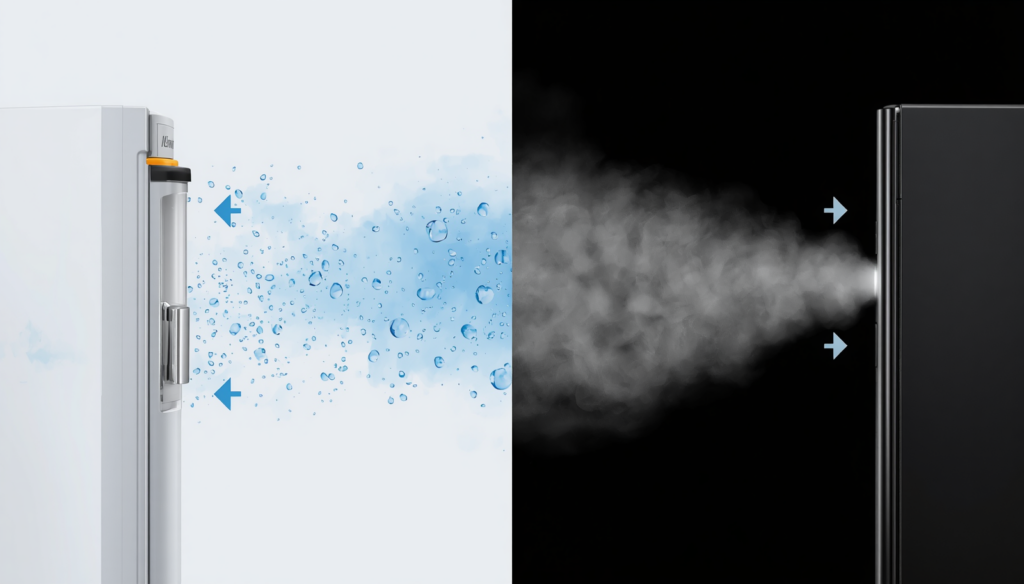
Surprise: In deep winter, using both can be a smart move. While central heating can drop bedroom humidity below 35% (cue sore throats and itchy skin), other rooms may still suffer from excess moisture. The solution:
- Humidify for Comfort: Run a humidifier in the bedroom—with the door shut.
- Dehumidify for Defence: Keep the dehumidifier humming in hallways and bathrooms.
Just don’t let the two duke it out in the same open-plan space—they’ll waste energy battling each other.
British Living Savvy: Top Tips
- Track Pollen Counts: BBC Weather and the Met Office provide daily pollen forecasts—vital intel for allergy season.
- Wash Your Hair: Pollen loves to hitch a ride on hair. Wash before bed during high season to keep your pillow (and your sinuses) clear.
Conclusion
In the UK, a dehumidifier isn’t a luxury—it’s a cornerstone of healthy, happy living. Understand the tech, respect the maintenance, and master humidity management. You’ll preserve your home, protect your family, and finally conquer the British damp for good.


 meritokratias