 TChannelHK
HONG KONG | June 12, 2026
Prologue: The Echoes of Tear Gas
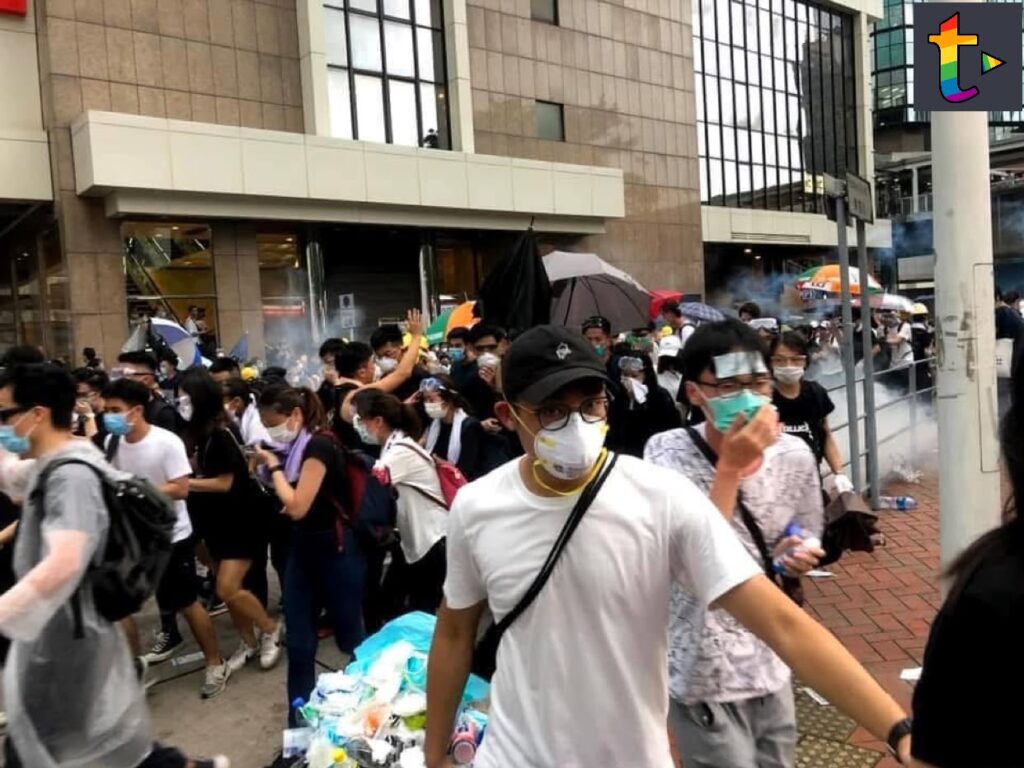
As Hong Kong marks the seventh anniversary of June 12, 2019, the city stands at a crossroads—haunted by the specter of past promises and the reality of present constraints. The day that began with a peaceful assembly and ended in clouds of tear gas has become a defining point in Hong Kong’s long and complicated history.
Chapter I: Anatomy of a Protest—And a Turning Point
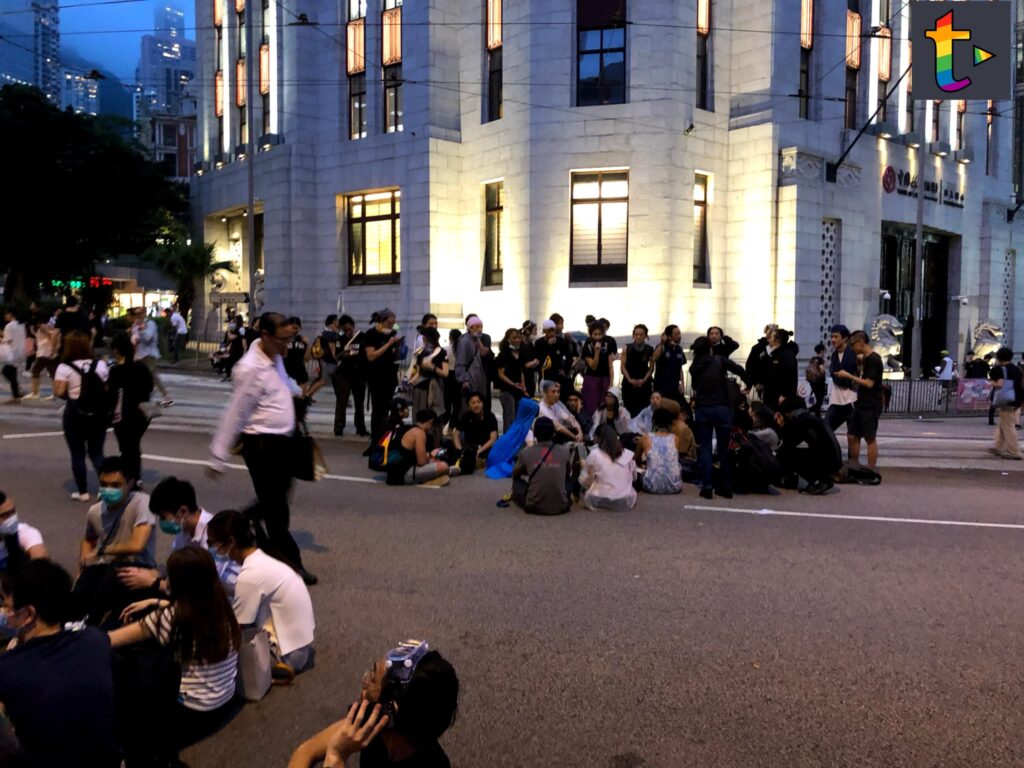
The June 12, 2019, protests were not a spontaneous outburst but the culmination of decades of evolving civic identity and simmering tensions. The introduction of the 2019 Extradition Bill—allowing suspect transfers to Mainland China—was widely seen as the last straw, threatening the city’s cherished legal autonomy guaranteed since colonial times.
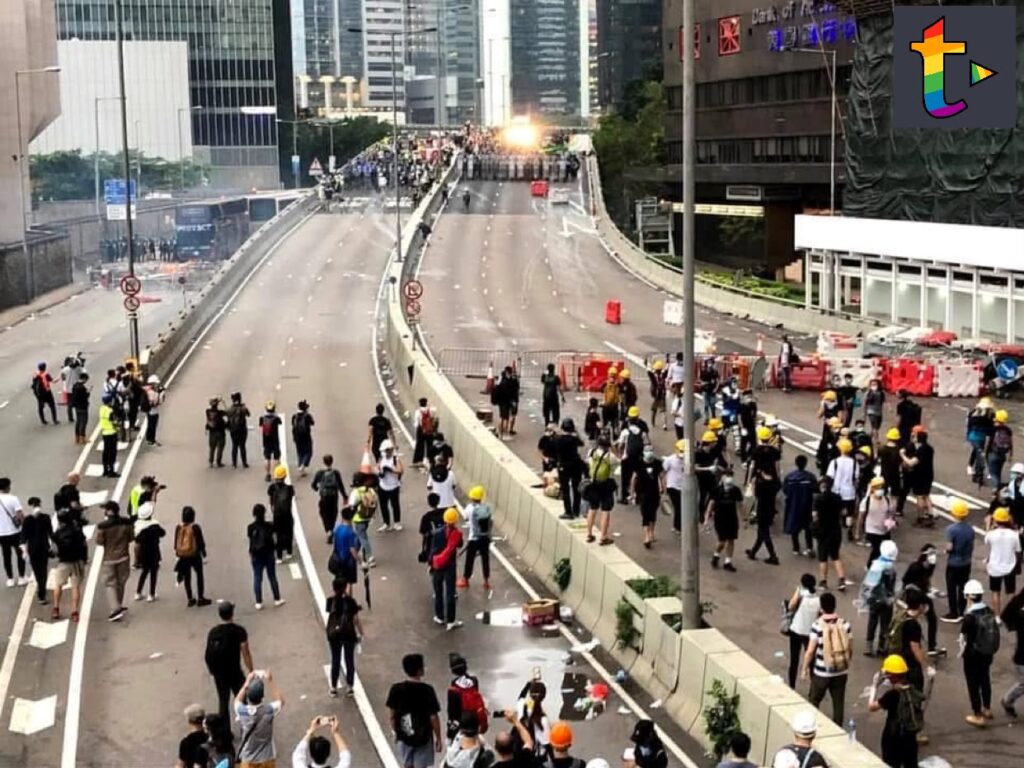
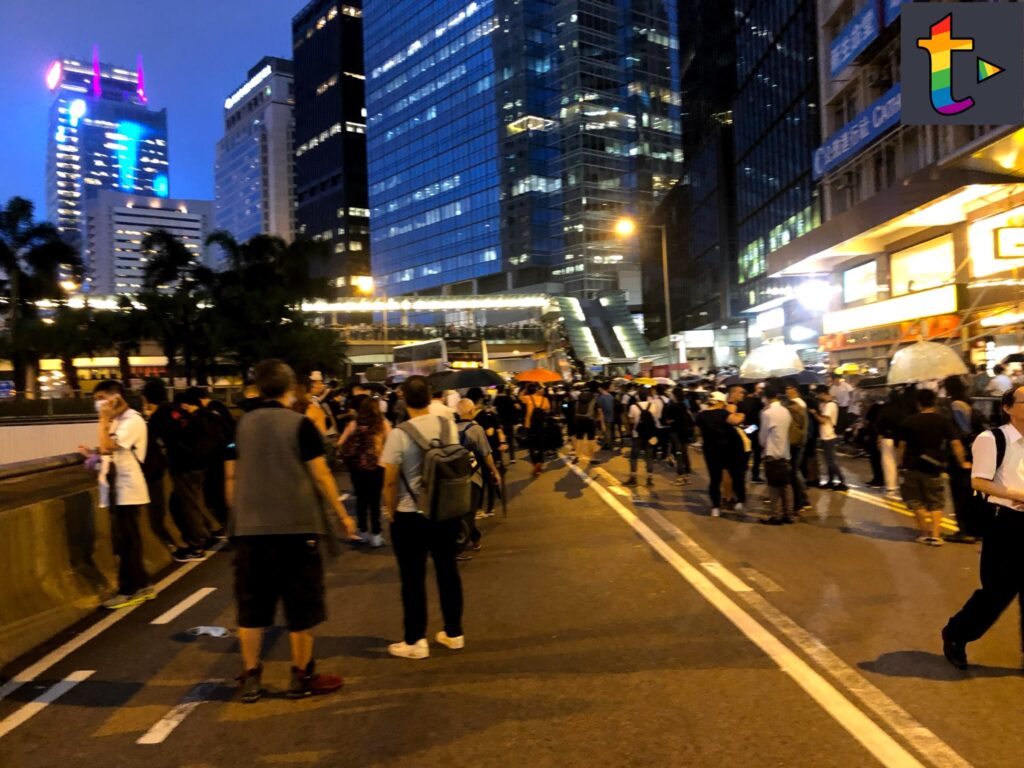
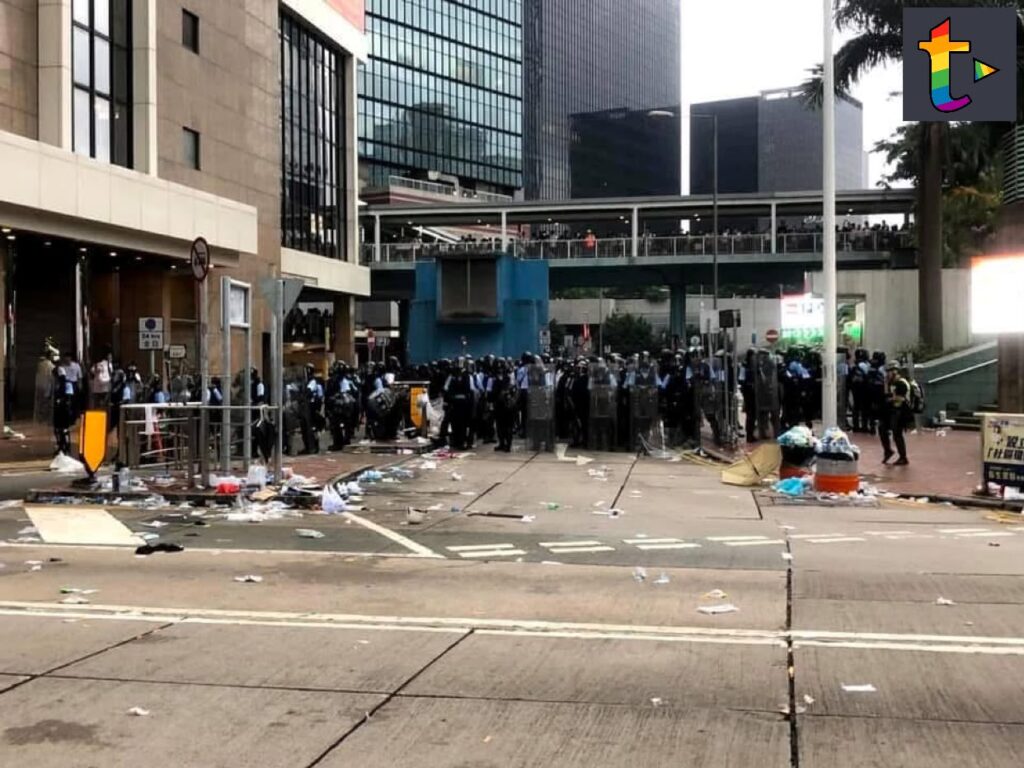
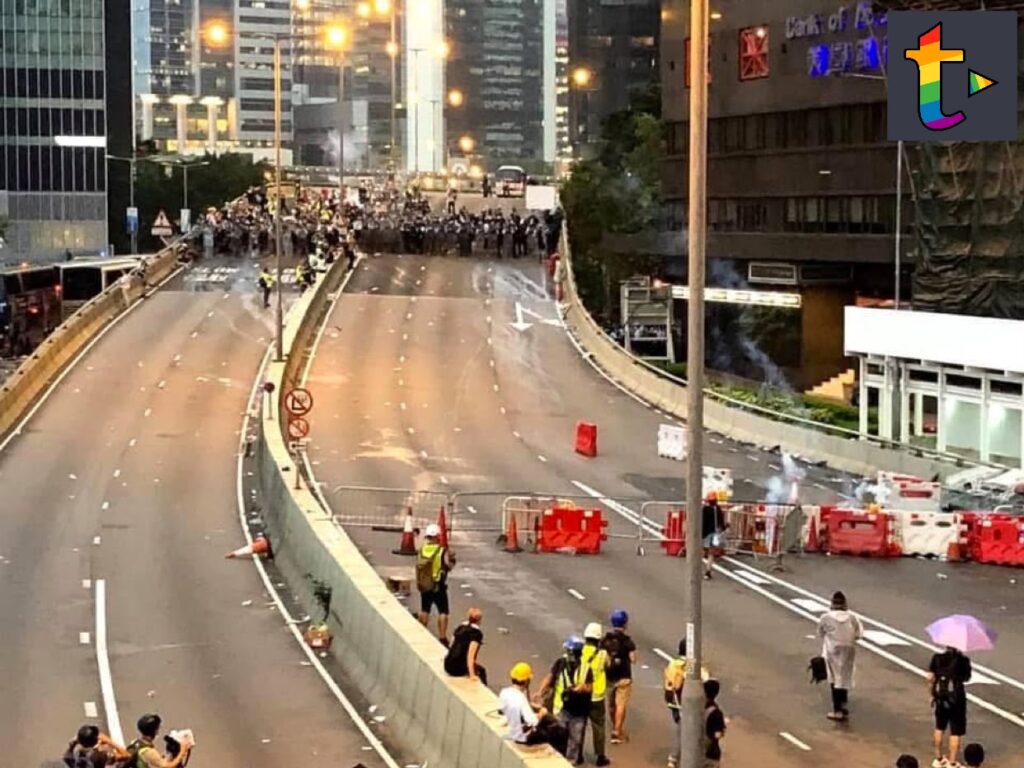
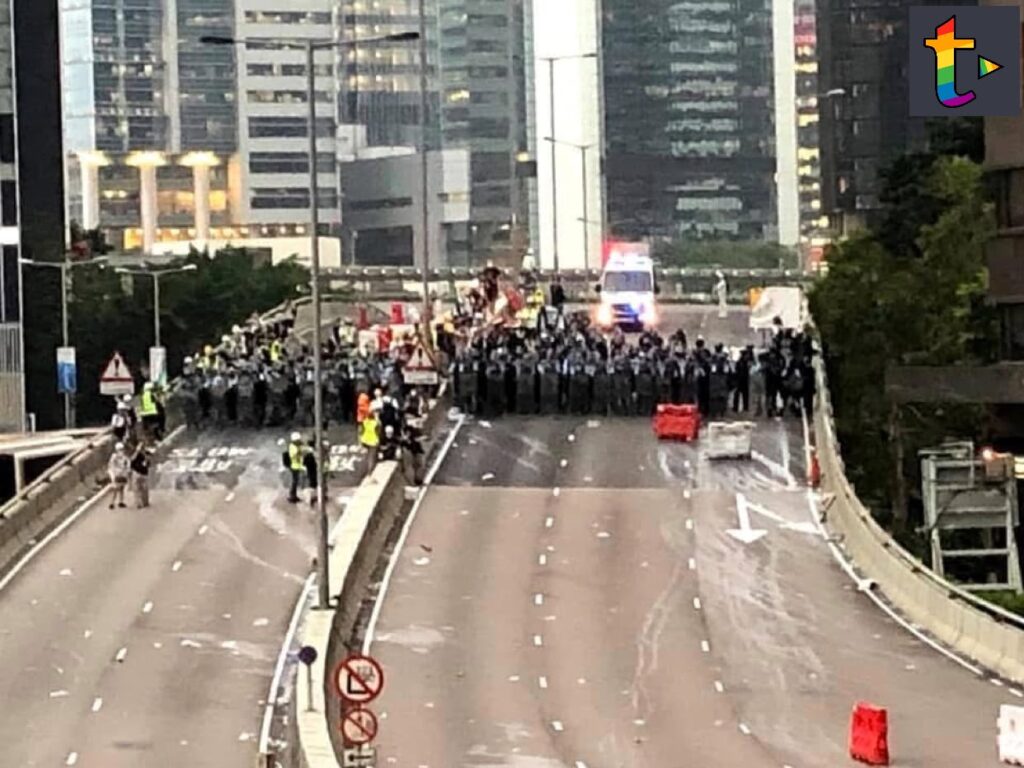
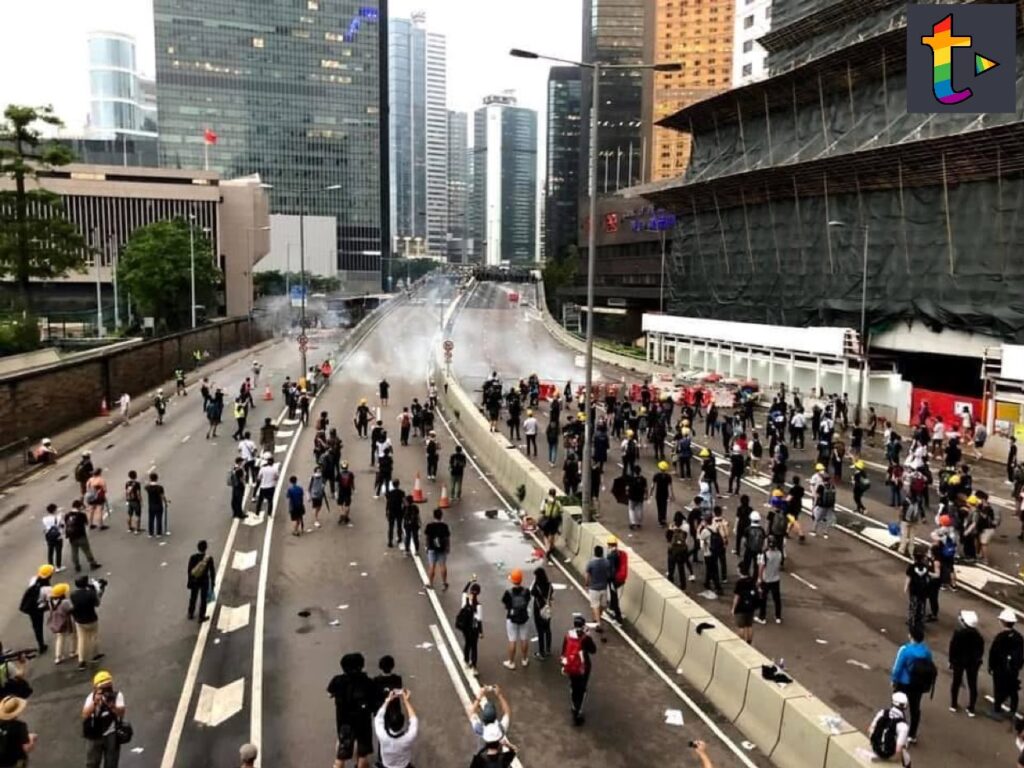
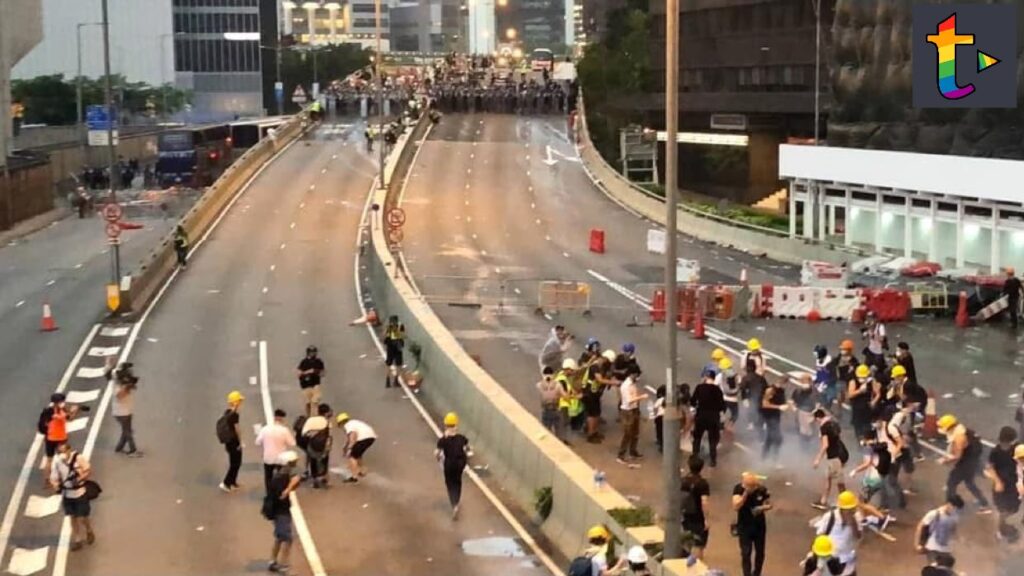
On that day, over a million Hong Kongers, from students to retirees, filled the streets. The government’s decision to deploy tear gas, rubber bullets, and mass arrests marked a sharp escalation, signaling the end of the city’s era of relative judicial independence and tolerance for dissent. International headlines highlighted the city’s descent from “Asia’s World City” to a symbol of authoritarian encroachment.
Chapter II: The Weaponization of the Gavel—From Rule of Law to Rule by Law
The Law Student’s Case: A Stark Illustration
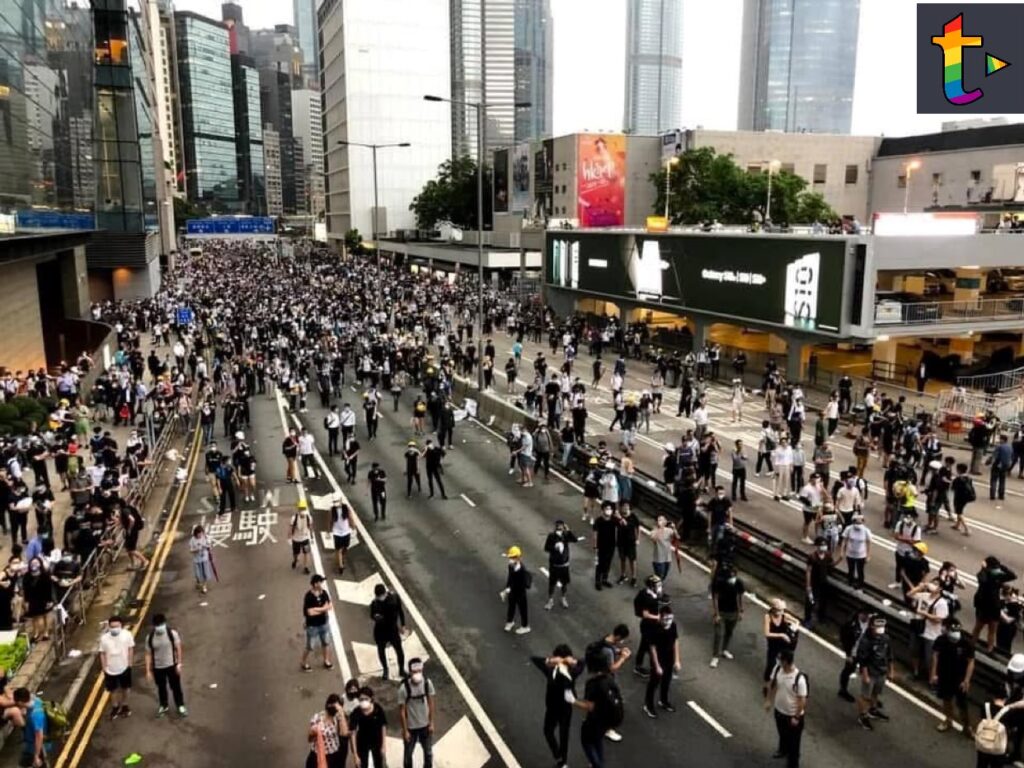
A defining example of the legal transformation post-2019 is the case of a female law student, initially acquitted of “riot” charges related to the August 31, 2019, Wan Chai protests. Her story became emblematic for several reasons:
- Acquittal and Retrial: She was originally acquitted in 2023, with the court finding insufficient evidence that her attire and presence alone proved participation in a riot. However, prosecutors appealed, arguing that her all-black clothing and protest gear indicated intent. In a retrial—a phenomenon now increasingly common under Hong Kong’s evolving legal standards—she was convicted, with sentencing slated for July 15, 2026.
- Why This Matters:
- The case highlights the growing use of retrials and appeals by prosecutors, a marked departure from the past. Under Hong Kong’s traditional common law system, double jeopardy protections and the presumption of innocence were fundamental. Now, the government’s ability to repeatedly pursue convictions until a “correct” (i.e., guilty) outcome is reached demonstrates the shift from protecting individual rights to ensuring state priorities.
- The conviction relied heavily on circumstantial evidence—attire, protective gear, and proximity—rather than clear, direct acts of violence or incitement. This broadens the net of criminal liability and creates a chilling precedent: mere presence at a protest, or even wearing “protest attire,” can be construed as participation in a riot.
- As a law student, the defendant’s plight is deeply symbolic. It underscores the contradictions of a legal system that once prized due process and independence but now weaponizes legal technicalities against its own future practitioners.
- Systemic Context:
- The denial of jury trials in national security and protest-related cases.
- The normalization of long periods of pretrial detention.
- The use of colonial-era laws in service of new political imperatives.
Legal scholars and rights advocates have expressed alarm. “This verdict is a barometer for the health of Hong Kong’s legal system,” says a senior barrister who requested anonymity. “When the law is used to criminalize dissent, and when legal nuances are wielded as weapons, justice itself stands on trial.”
Systemic Changes in Judicial Processes
- Denial of Jury Trials: Since 2020, the majority of national security cases have been heard by a panel of three handpicked judges, bypassing the common law system’s reliance on lay juries. According to the Hong Kong Bar Association, this policy has “severely undermined public confidence in judicial impartiality.”
- Preventive Detention: Under the NSL, defendants can be held for months or even years before trial, with bail routinely denied. The number of political prisoners in pre-trial detention reached 1,100 in 2025, per Amnesty International.
- Retroactive Prosecutions: Legal reforms in 2024 extended the statute of limitations for national security cases, allowing prosecutions for acts allegedly committed years earlier. Human rights lawyers describe this as a “legal sword of Damocles” hanging over activists.
The Theoretical Shift: Rule of Law vs. Rule by Law
Hong Kong’s legal system, once cited as the “gold standard” of judicial independence in Asia, has been recast as an instrument of state power. The distinction—central to legal scholarship—between “rule of law” (law as a safeguard for rights) and “rule by law” (law as a tool for control) has never been so stark.
International Legal Reactions
- UN Human Rights Council: In its 2025 report, the UNHRC expressed “grave concern” over the use of national security legislation to suppress dissent, citing Hong Kong as a case study in “juridical regression.”
- UK and US Statements: The British Foreign and Commonwealth Office’s 2026 Six-Monthly Report on Hong Kong found “persistent and serious breaches” of the Sino-British Joint Declaration. The US State Department continues to list Hong Kong as a “jurisdiction of concern” for human rights.
- Mainland Chinese Perspective: The Chinese government maintains that the legal changes are necessary to ensure “long-term stability” and “national sovereignty.” State media, including the People’s Daily, argue that “Western-style judicial systems are incompatible with Chinese realities.”
Chapter III: The Death of a Promised Future—Universal Suffrage Deferred Indefinitely
Historical Promises
The promise of universal suffrage is rooted in the 1984 Sino-British Joint Declaration and the Basic Law. These documents assured Hong Kong that, after the 1997 handover, it would retain its own legal system, rights, and freedoms for 50 years, with the “ultimate aim” of full democratic elections.
The 2021 Electoral Overhaul and Aftermath
Beijing’s 2021 electoral overhaul, mandating “patriots-only” governance and drastically reducing directly elected seats, is widely seen as a breach of these commitments. Advocacy for universal suffrage has become criminalized, and voter turnout has plummeted, reflecting widespread disillusionment.
In March 2021, Beijing’s National People’s Congress Standing Committee (NPCSC) announced sweeping reforms to Hong Kong’s electoral system:
- Patriots-Only Rule: All candidates for Chief Executive, Legislative Council, and District Councils must be vetted for political loyalty.
- Reduction of Direct Elections: The percentage of directly elected seats in the Legislative Council was reduced from 50% to 22%, with the remainder filled by pro-Beijing committees.
- New Vetting Committee: The Candidate Eligibility Review Committee, composed of government appointees, has the final say on all nominations.
The reforms were justified in the name of “stability” and “national security,” but critics—both domestic and international—viewed them as the death knell for meaningful democracy.
The 2019 District Council Landslide: A Mandate Ignored
The November 2019 District Council elections marked an unprecedented moment in Hong Kong’s political history. Held at the height of the protest movement—and after months of unrest and police crackdowns—these local elections became a de facto referendum on the government’s legitimacy and the public’s demand for democratic reforms. Despite fears of violence and intimidation, turnout soared to a record-breaking 71%, with over 2.9 million Hong Kongers casting their ballots.
The result was a political earthquake: pro-democracy candidates won 388 out of 452 seats, seizing control of 17 out of 18 district councils. Established pro-Beijing parties were routed, losing long-held strongholds in communities across the city. The victory was not just symbolic; it provided democrats with unprecedented access to community resources and a platform for grassroots mobilization.
Yet, this democratic mandate was swiftly undermined:
- Intensified Political Pressure: In the months following the election, district councillors faced mounting legal and political harassment. Many were arrested on protest-related charges, targeted for disqualification, or subjected to public vilification in pro-Beijing media.
- Oath of Allegiance Requirement: In 2021, the government imposed a new law requiring all district councillors to pledge loyalty to the HKSAR and to uphold the Basic Law. The oath’s vague wording made it a tool for mass disqualification—any councilor suspected of “insincerity” or “disloyalty” could be removed.
- Threat of Retrospective Prosecution: Councillors were warned that any past expression of support for protest actions, or criticism of the government, could be used as evidence of disloyalty or subversion under the National Security Law (NSL).
- Mass Resignations and Exile: Facing the prospect of arrest, loss of salary (with demands for retroactive repayment), and the possibility of lengthy imprisonment, over half of the democratically elected councillors resigned or fled the city. By 2022, more than 260 councillors had stepped down, with dozens relocating to the UK, Canada, or Taiwan.
This wave of resignations was a profound blow—not only to the individuals involved but to the very notion of representative government in Hong Kong. The message was clear: even overwhelming electoral victories would not be respected if they challenged the political order determined by Beijing.
The 47 People Case: Criminalizing Democratic Participation
No episode embodies the criminalization of democratic politics in Hong Kong more starkly than the so-called “47 people case.” In January 2021, 55 pro-democracy politicians, activists, and community organizers were arrested for organizing and participating in an unofficial primary election the previous summer. The aim of the primary was to coordinate pro-democracy candidates for the upcoming Legislative Council elections—a common practice in democracies worldwide.
But under the new National Security Law, this act of organizing a primary was redefined as “conspiracy to commit subversion.” Ultimately, 47 of the arrestees were formally charged, including former lawmakers, district councillors, academics, and young activists. Among the accused were some of the most prominent faces of the movement: Benny Tai, Joshua Wong, Claudia Mo, Gwyneth Ho, and many more.
The significance of the case cannot be overstated:
- Legal Innovation for Suppression: The NSL’s vague language made it possible to treat ordinary political organizing as a criminal conspiracy. The prosecution argued that the primary’s objective—to win a majority in LegCo and use constitutional procedures to block government funding—amounted to a plot to “paralyze” the government.
- Denial of Bail and Prolonged Detention: Almost all of the defendants were denied bail, with many held in custody for more than two years before trial—a practice at odds with the city’s common law heritage, where pretrial detention is rare and short.
- Chilling Effect: The prosecution set a precedent that any form of organized opposition could be construed as subversive. This has effectively silenced political opposition and gutted civil society, as former colleagues, friends, and supporters watched the city’s most high-profile democrats paraded in shackles.
After years of legal wrangling, the trial of the “47” began in early 2023 and lasted more than a year, drawing international condemnation. Several defendants pleaded guilty, while others maintained their innocence, insisting that their actions were a legitimate exercise of political rights guaranteed under both the Basic Law and international human rights treaties. The trial showcased the government’s determination to eliminate all organized opposition, utilizing the judiciary as an instrument of political control.
The Legal and Political Context
The promise of universal suffrage was articulated in the 1984 Sino-British Joint Declaration and enshrined in the Basic Law—Hong Kong’s mini-constitution. Articles 45 and 68 state that the “ultimate aim” is the election of the Chief Executive and the Legislative Council by universal suffrage.
The Criminalization of Advocacy
Under the National Security Law and Article 23, public advocacy for universal suffrage is now classified as “incitement to subversion” or “soft resistance.” In 2025 alone, over 50 activists and former legislators were arrested for organizing unofficial “primaries” or for publicizing the original promises of the Basic Law.
The Social Contract Broken
The promise of universal suffrage was not merely a legal commitment; it was the bedrock of Hong Kong’s post-1997 stability. The gradual erosion of this promise has produced a profound sense of disenfranchisement.
“The people of Hong Kong were promised a voice in their own government,” says Dr. Emily Lau, former Legislative Council member and democracy advocate. “That promise has not just been broken—it has been criminalized.”
Comparative Analysis
- Singapore: Often cited as a model for “managed democracy,” Singapore at least provides for regular elections and some degree of opposition. Hong Kong’s system, post-2021, is more restrictive.
- Macau: Like Hong Kong, Macau has a “patriots-only” system, but its smaller population and lack of political activism have led to less international attention.
Data Points
Emigration: Over 500,000 Hong Kongers have left since 2020, according to UK Home Office and Canadian Immigration data.
Voter Turnout: In the 2025 Legislative Council election, turnout was a record low 28%, compared to 71% in 2019.
International Ratings: The Economist Intelligence Unit’s Democracy Index downgraded Hong Kong from “partly free” to “not free” in 2023.
The Consequences for Hong Kong’s Political Landscape
The aftermath of these cases has been devastating for the city’s democracy movement:
- Evisceration of Elected Opposition: With the mass removal and prosecution of district councillors and prominent opposition figures, there is now no meaningful elected opposition at any level of government.
- Self-Censorship and Fear: Civic groups, unions, NGOs, and even charity organizations have disbanded or gone silent, fearing prosecution under the NSL’s sweeping provisions.
- Diaspora-Led Advocacy: Many former politicians and activists have become exiles, continuing their advocacy from abroad, but with little direct influence inside Hong Kong.
The 2019 election landslide and the fate of the 47 are now taught as cautionary tales: in the new Hong Kong, even peaceful, democratic participation can result in exile or imprisonment. The city’s legal and political architecture, once designed to guarantee freedom, now serves as a mechanism for enforcing conformity and punishing dissent.
These developments underscore the reality that the promise of “Hong Kong people ruling Hong Kong” and the gradual realization of universal suffrage—a pledge made to the world and enshrined in international treaty—has not simply been deferred, but systematically dismantled.
Chapter IV: The Weight of History—Why the UK Cannot Look Away
Colonial Legacy and Built Institutions
Hong Kong’s unique identity was shaped by its colonial past. While British rule was imperfect, it established the rule of law, a professional civil service, and a tradition of civil liberties that distinguished Hong Kong from its neighbors.
- The judiciary inherited from the British system was lauded for its independence.
- The city’s Basic Law was a product of years of negotiation between the UK and China, enshrining commitments to rights, freedoms, and autonomy.
The United Kingdom’s Responsibility: Legal, Moral, and Historical
- International Treaty: The 1984 Sino-British Joint Declaration, registered at the United Nations, is a binding international treaty. The UK is not just a historical actor but a guarantor, legally bound to ensure that Hong Kong’s rights and autonomy are upheld.
- Legacy of Trust: For decades, Hong Kongers trusted that the UK would defend the promises made in exchange for their return to Chinese sovereignty. British passports (including the BNO status) were issued as symbols of ongoing connection and care.
- Failure of Robust Action: Despite repeated warnings from diplomats, activists, and lawmakers, the UK prioritized trade and diplomatic relations with China over meaningful action. The BNO visa scheme, while a vital lifeline for many, is seen by critics as “too little, too late.” Britain’s reluctance to lead international legal challenges or apply sanctions has left many Hong Kongers feeling abandoned.
- Moral Debt: The UK’s historical decisions—most notably, the lack of a clear path to full democracy before 1997—are now viewed as missed opportunities to safeguard Hong Kong’s future. As Lord Chris Patten, the last governor, has repeatedly stated, “Hong Kong is not just a place, but a promise.”
Chapter V: The Human Toll and the Global Warning
The consequences of this broken promise are not merely legalistic—they are deeply human. The law student’s conviction, the criminalization of peaceful advocacy, and the rewriting of history textbooks all point to a society where fear replaces debate and law serves power, not justice.
Hong Kong’s fate is a warning to the world: the erosion of liberty often arrives as a slow, bureaucratic process, justified by legal reforms and the language of stability.
Epilogue: The Duty to Remember
As the world reflects on June 12, 2026, the silence that has settled over Hong Kong’s streets should not be mistaken for consent. It is a measure of the city’s loss—and of the global community’s responsibility. The United Kingdom, as co-author of Hong Kong’s modern history, remains bound to its promises by law, by history, and by conscience.
If the world forgets what happened on June 12, and the broken promises that followed, the smoke of that day’s tear gas will finally, and irreversibly, blind us all.
Sources
- The Witness HK, “8.31 Wan Chai Female Student Riot Case”
- UK Foreign Office Reports
- Amnesty International, Human Rights Watch
- The Basic Law, Sino-British Joint Declaration
- Testimonies from Hong Kong legal professionals and international observers