 TChannelHK
HONG KONG, June 9, 2026 — Today, Hong Kong stands at a crossroads. Seven years have passed since the city’s streets overflowed with an unprecedented tide of humanity—1.03 million people, united in their opposition to a government that had grown deaf to the pleas of its own citizens. On June 9, 2019, the world bore witness to a rare and powerful phenomenon: a people, dressed in white, marching not just against an extradition bill, but for the very soul of their city.
Looking back from 2026, the reverberations of that day are still felt. Hong Kong is no longer the city it was. The freedoms that once defined it have been eroded by the relentless advance of the Chinese Communist Party (CCP), intent on crushing any flicker of dissent. Yet, the spirit of June 9 endures as a testament to the courage, resilience, and hope of Hongkongers—and as a warning to the world about the cost of unchecked authoritarianism.
I. Prologue: The Calm Before the Storm
In early 2019, Hong Kong seemed to be enjoying a moment of relative calm. Despite simmering frustrations over housing, inequality, and political deadlock, the city’s “One Country, Two Systems” arrangement was still, at least superficially, intact. But beneath the surface, anxieties brewed.
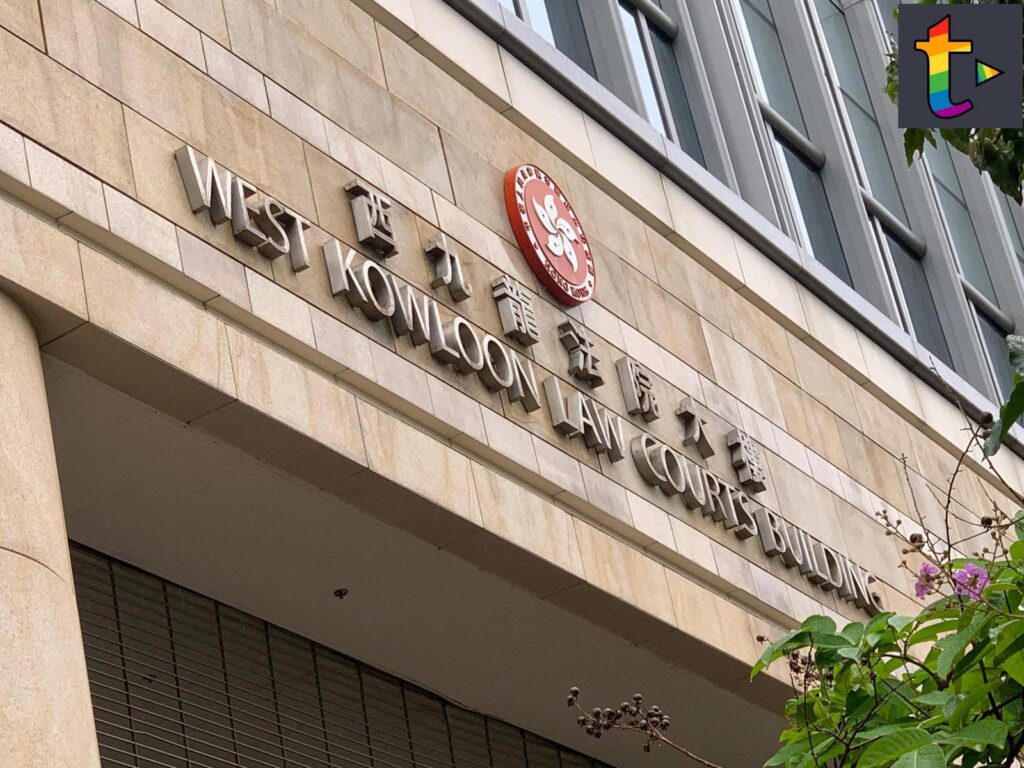
The trigger, ironically, was a tragic crime: the murder of Amber Poon by her boyfriend, Chan Tong-kai, in Taiwan. The Hong Kong government seized on this case as justification for a sweeping amendment to the Fugitive Offenders Ordinance, allowing extraditions not only to Taiwan, but—critically—to mainland China.
To most Hongkongers, the proposal was alarming. It threatened to breach the legal “firewall” that separated Hong Kong’s common law system from the opaque, politically driven courts of the mainland. Lawyers, journalists, business leaders, and activists sounded the alarm: no one in Hong Kong would be safe from political persecution if the law passed.
As June approached, tensions mounted. The government, led by Chief Executive Carrie Lam, pressed ahead with the bill, dismissing concerns as “unfounded.” But civil society mobilized. The Civil Human Rights Front (CHRF)—a coalition of pro-democracy groups—called for a mass march on June 9. The world would soon see just how deep the city’s unease ran.
II. The Day the City Stood Still: Anatomy of a March
The Gathering
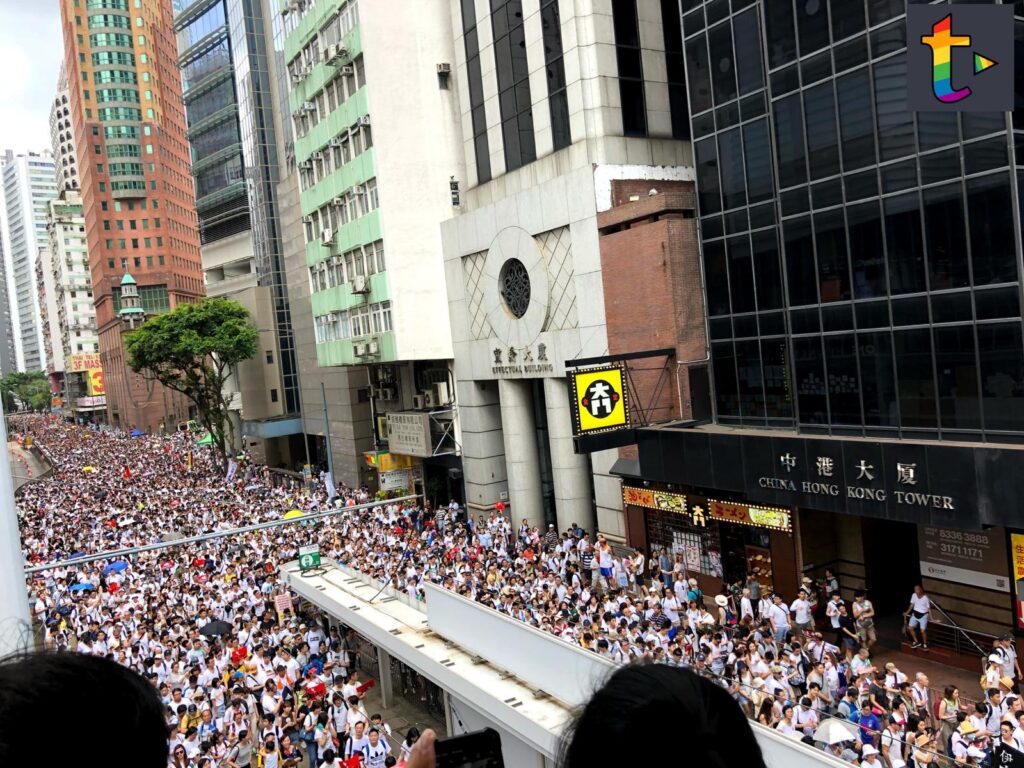
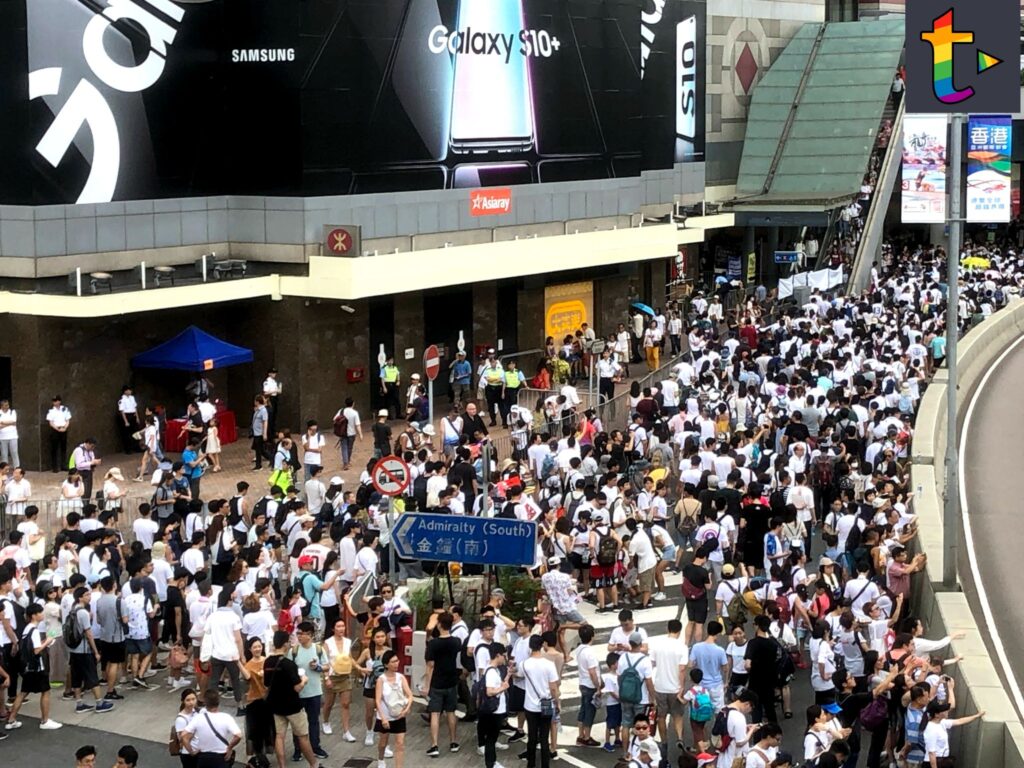
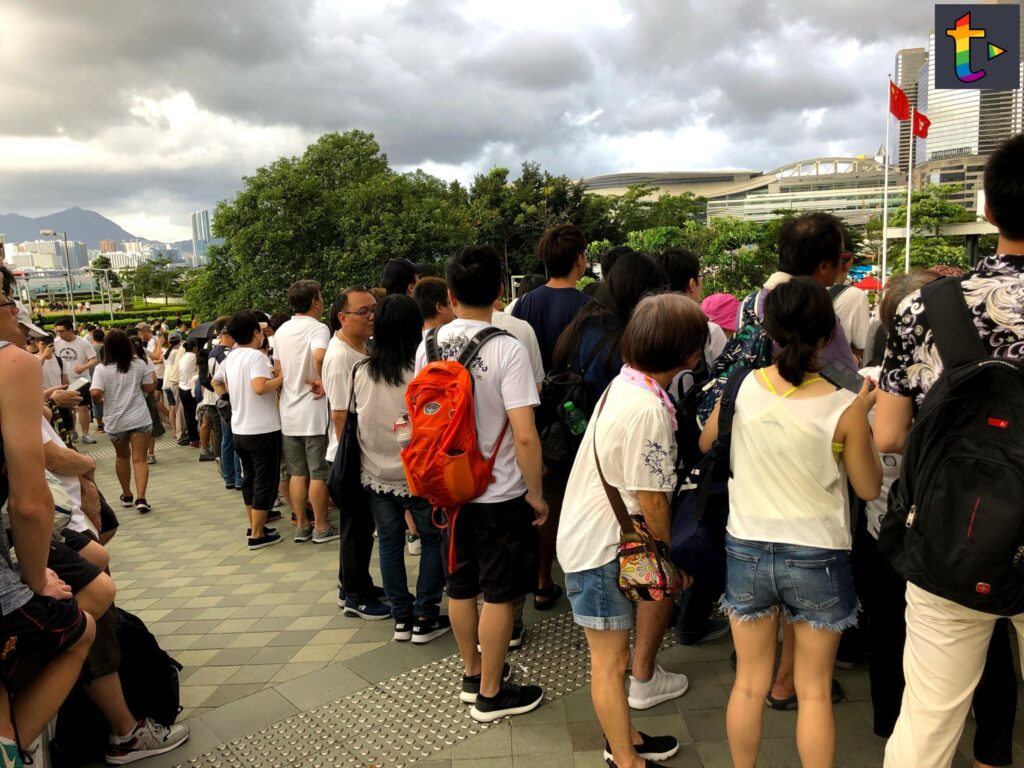
Sunday, June 9, dawned hot and humid. By late morning, Victoria Park was a sea of white shirts and banners. The call to wear white—symbolizing peace and hope—had spread like wildfire on social media. Volunteers handed out water and flyers. Students linked arms with retirees. Office workers, artists, nurses, lawyers, and construction workers—people from every walk of life—gathered under a blistering sun.
For many, it was their first protest. “I’ve never marched before, but this is about our future,” said Mr. Ng, a 62-year-old accountant. High school student Agnes, 16, came with friends: “If we don’t stand up now, we won’t have any rights left.”
The March Begins
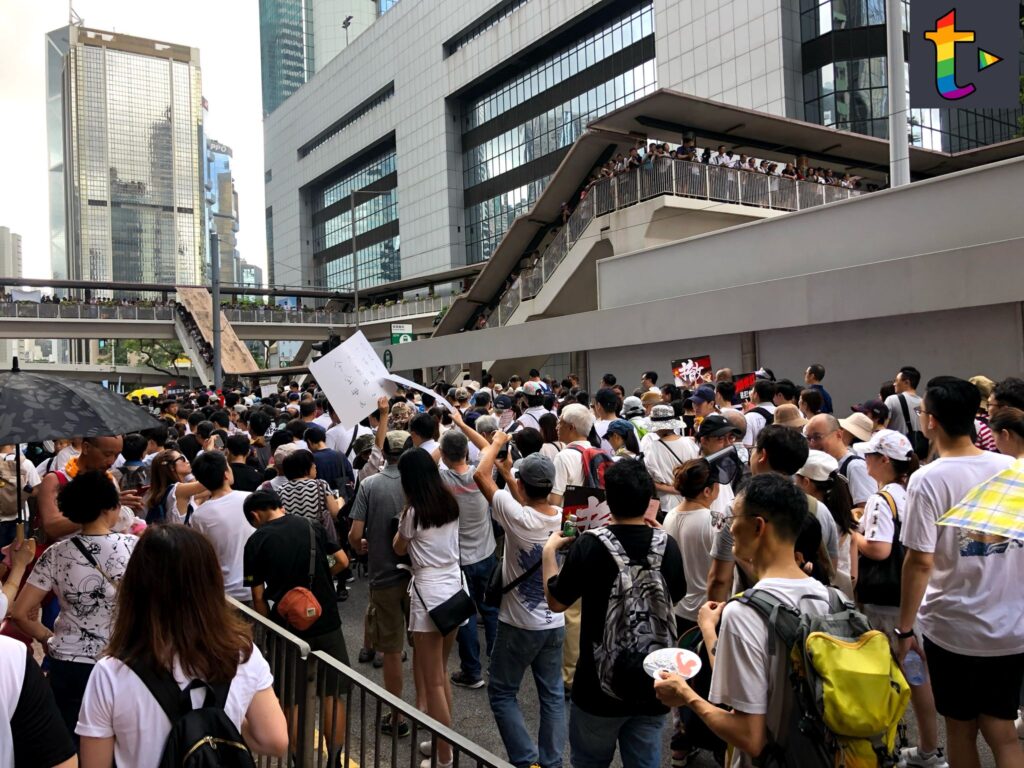
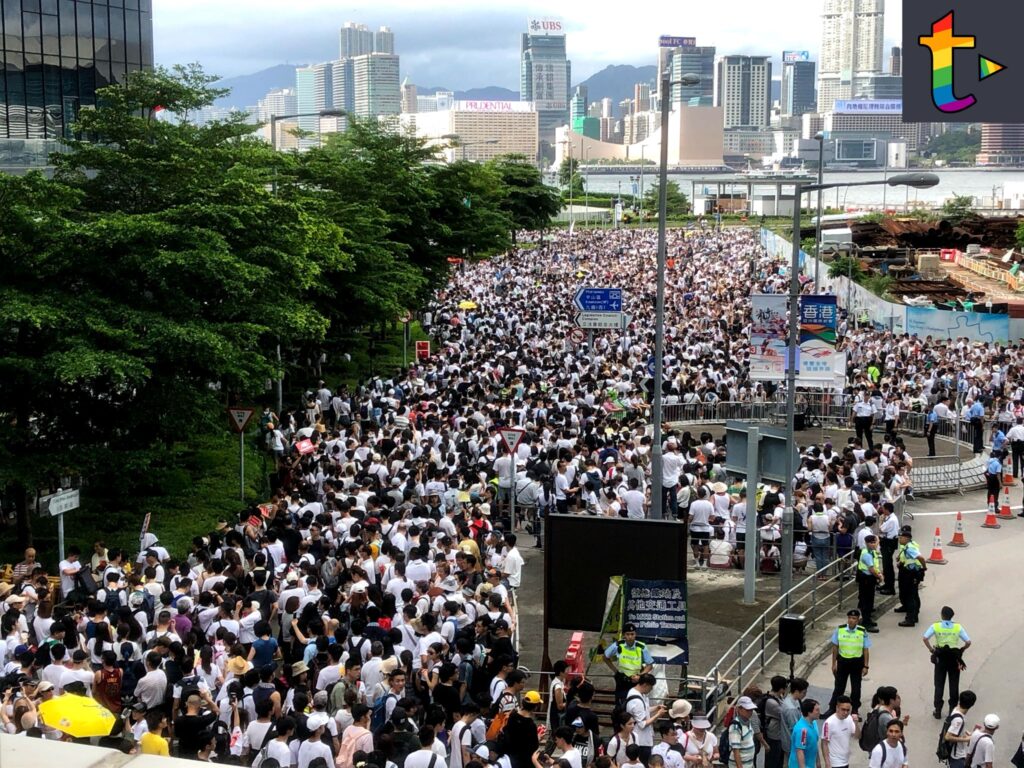
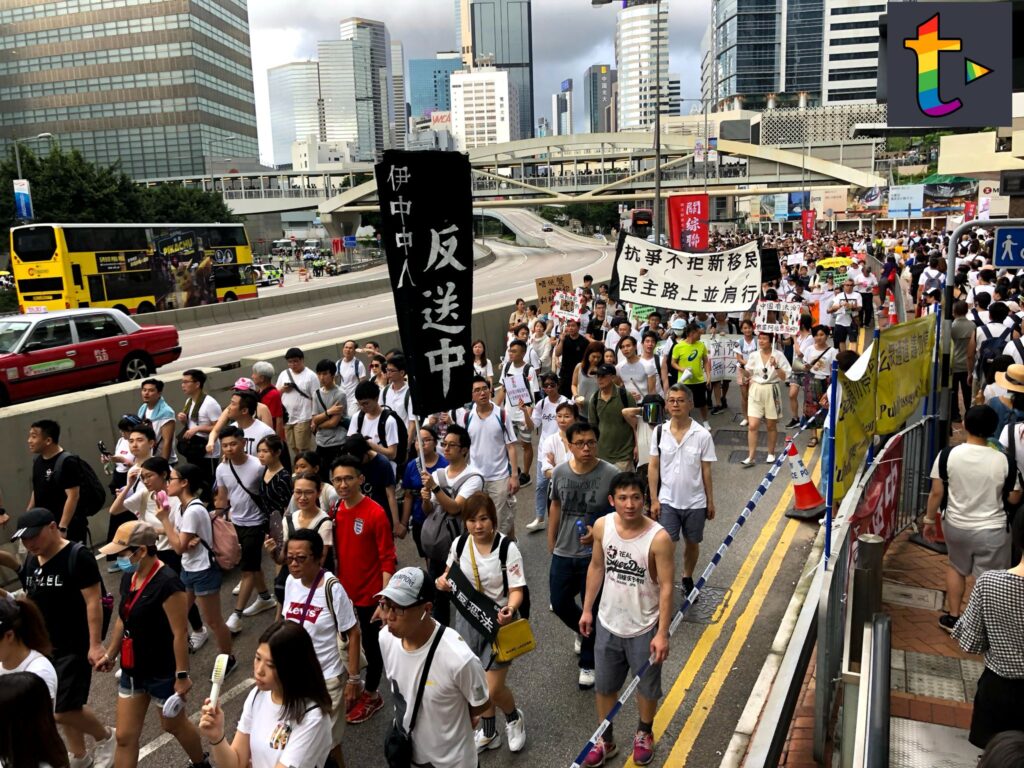
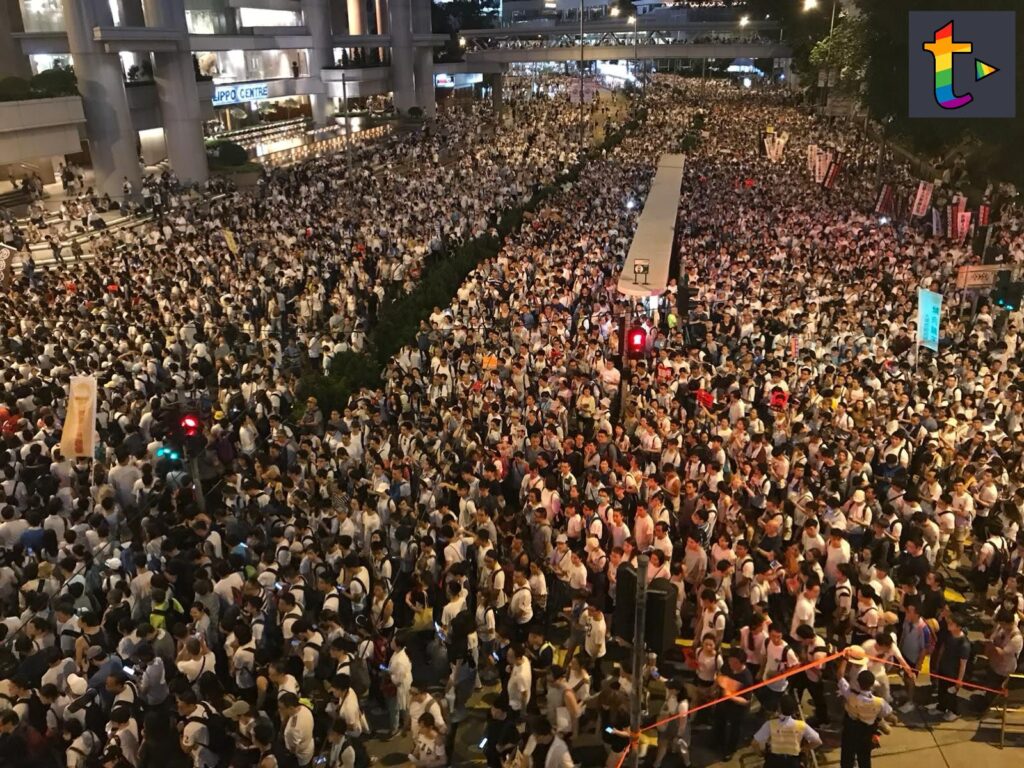
By 2:00 PM, the park overflowed, forcing organizers to begin the march early. The route—from Victoria Park in Causeway Bay to the Legislative Council (LegCo) in Admiralty—was soon choked with people. Overhead, drone footage captured an awe-inspiring sight: rivers of white, undulating between glass towers and neon signs.
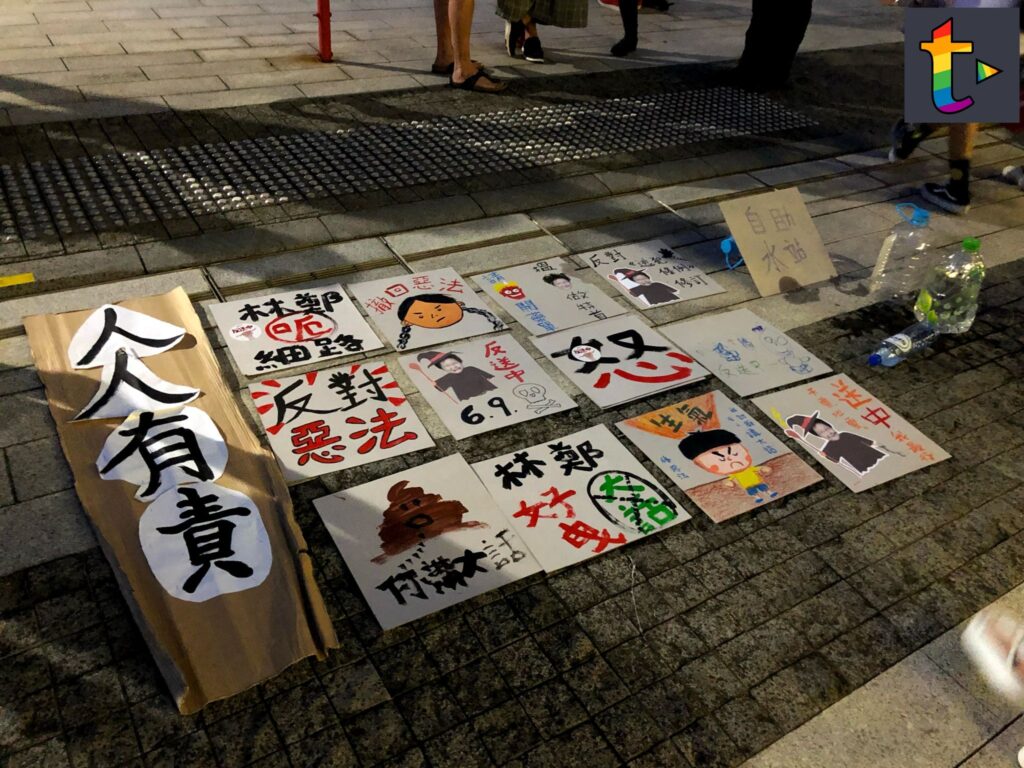
Chants echoed through the canyons: “No China extradition! Defend Hong Kong!” Children carried handmade signs. Elderly participants wore ribbons memorializing the Tiananmen massacre, as the march took place just days after the 30th anniversary of June 4, 1989.
The Scale
By late afternoon, it was clear this was no ordinary protest. The organizers estimated 1.03 million participants—nearly one in seven Hongkongers. Even by conservative police estimates (240,000), this was the largest march since 2003’s anti-Article 23 demonstration.
International media scrambled to cover the event. Images of the “sea of white” dominated headlines from New York to London, Singapore to Sydney. The world watched as Hong Kong demanded to be heard.
III. The Stakes: What Was at Risk
The Legal Firewall
The proposed extradition bill struck at the heart of Hong Kong’s autonomy. Since the 1997 handover, the city had maintained its own legal system—one of the key promises of “One Country, Two Systems.” The lack of extradition arrangements with mainland China was not an oversight, but a deliberate safeguard against political persecution.
Human rights groups, the Hong Kong Bar Association, and international legal scholars issued dire warnings. “The absence of judicial independence in the PRC means anyone could be at risk,” noted a Bar Association statement. Critics cited cases in which the mainland’s legal system was used to silence critics, enforce confessions under torture, and orchestrate show trials.
Business Backlash
Even normally apolitical business leaders joined the chorus of concern. Hong Kong’s status as an international financial center depended on the rule of law and the perception of impartial justice. The American Chamber of Commerce, European Union, and foreign consulates warned that the bill would jeopardize business confidence and expose foreign nationals to CCP-controlled courts.
Populace at the Precipice
For ordinary citizens, the fear was visceral. Ms. Chan, a social worker, put it bluntly: “If you say something critical of Beijing, you could be sent to the mainland and disappear. We can’t live like that.”
IV. The Government’s Response: Deaf Ears and Iron Fists
The Press Release That Changed Everything
As night fell on June 9, exhausted but hopeful protesters began to disperse. Many stayed glued to their phones, waiting for a government response. At 11:00 PM, the statement arrived—not as a gesture of reconciliation, but as a slap in the face. The government acknowledged the march, but insisted the legislative process would proceed as scheduled.
The sense of betrayal was immediate and profound. “We came out as families, peacefully, and they ignored us,” recalled Mrs. Lee, a teacher. “It felt like we were invisible.”
The Shift to Confrontation
In the early hours of June 10, small groups of protesters lingered near LegCo. Some attempted to block roads. The police responded with pepper spray and batons. The images—tearful students, battered by riot police—would soon ricochet around the world.
Overnight, a fundamental shift took place. The belief that “peaceful protest is useless” gained currency. Within days, calls for a general strike and escalation intensified. The city was on the brink.
V. The Summer of Defiance: How June 9 Sparked a Revolution
The Escalation
The government’s intransigence triggered a wave of outrage. On June 12, thousands surrounded LegCo, seeking to block the bill’s second reading. Police fired tear gas, rubber bullets, and beanbag rounds at largely unarmed crowds. The violence shocked the city.
By June 16, another historic march swelled the streets—this time, organizers claimed nearly 2 million participants. The extradition bill was eventually “suspended,” but the genie was out of the bottle. The movement’s demands expanded: withdrawal of the bill, an independent inquiry into police brutality, retraction of the “riot” characterization, amnesty for arrested protesters, and universal suffrage.
A Leaderless, Decentralized Movement
What set 2019 apart was the movement’s “be water” philosophy: flexible, decentralized, and leaderless. Social media groups, encrypted apps, and Lennon Walls sprouted across the city. Acts of resistance ranged from peaceful marches to creative disruptions—singing protest songs in malls, flash mobs, and symbolic gestures.
The Price Paid
The months that followed saw escalating clashes, mass arrests, and the use of live ammunition by police. The city was engulfed in tear gas, and the government declared a de facto state of emergency. The world watched as Hong Kong’s youth, dubbed the “frontliners,” faced down riot squads with homemade shields and umbrellas.
By the end of 2019, thousands had been arrested, hundreds injured, and trust in the government—and the police—was shattered beyond repair.
VI. International Response: The World Watches, and Wavers
Diplomatic Condemnation
The sheer scale of the protests, and the images of police violence, drew swift international condemnation. The UK, as former colonial power and signatory of the Sino-British Joint Declaration, expressed “grave concern.” The US Congress passed the Hong Kong Human Rights and Democracy Act, threatening sanctions on officials complicit in repression.
The United Nations issued statements urging restraint and respect for civil liberties. The European Union joined calls for dialogue and de-escalation.
Beijing’s Propaganda Machine
The Chinese Communist Party responded with a barrage of propaganda, blaming “foreign forces” for fomenting unrest. State media depicted protesters as violent radicals, while online bots flooded social media with disinformation.
Inside China, news of the marches was heavily censored. Few mainlanders saw the true scale or nature of Hong Kong’s struggle.
VII. The Aftermath: From Hope to Crackdown
The National Security Law: A Death Blow to Autonomy
In June 2020, Beijing imposed the National Security Law (NSL) on Hong Kong, bypassing the local legislature entirely. The law criminalized “secession,” “subversion,” “terrorism,” and “collusion with foreign forces”—terms so vaguely defined that virtually any expression of dissent could be prosecuted.
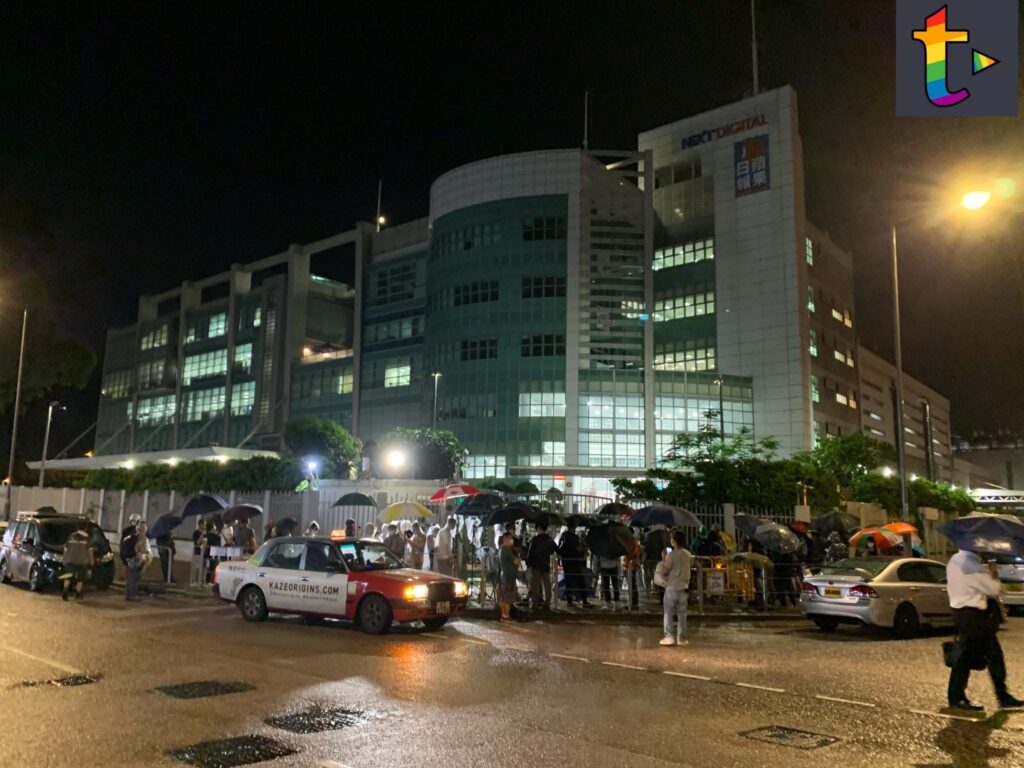
The NSL marked the end of meaningful autonomy. Pro-democracy lawmakers were expelled from LegCo. Opposition parties were dismantled. Media outlets like Apple Daily and Stand News were raided and shuttered.
The Disbanding of Civil Society
The Civil Human Rights Front, which had organized the June 9 march, was forced to disband under police pressure. Student unions, labor groups, and NGOs faced arrests and asset freezes. Political prisoners swelled the city’s jails.
“Patriots Only”: The New Political Reality
Beijing’s “patriots governing Hong Kong” doctrine ensured that only those loyal to the CCP could hold office. Elections were postponed, then re-engineered to exclude dissent. What little remained of Hong Kong’s democratic institutions was snuffed out.
VIII. Diaspora and Memory: Hong Kong’s Struggle Goes Global

The Exodus
Faced with repression, tens of thousands of Hongkongers emigrated. London, Vancouver, Sydney, and Toronto became hubs for a growing Hong Kong diaspora. Community groups organized commemorations of June 9 and June 4, keeping the memory of resistance alive.
Overseas Activism
Hong Kongers abroad lobbied foreign governments to impose sanctions on CCP officials, grant asylum to activists, and recognize the erosion of Hong Kong’s freedoms. The “sea of white” became a global symbol of democratic defiance.
Cultural Resistance
Exiled artists, writers, and filmmakers chronicled the struggle. Songs like “Glory to Hong Kong” became anthems of the movement, banned at home but sung in diaspora communities worldwide.
IX. The Human Cost: Stories Behind the Numbers
Voices from the Frontlines
Ms. Yuen, Protest Medic:
“I was there on June 9, handing out water and tending to those fainting in the heat. When the police began firing tear gas days later, I saw students younger than my own children coughing, bleeding. We were not rioters. We were Hong Kongers who loved our home.”
Mr. Lau, Arrested Protester:
“They called us criminals, but all I wanted was to be heard. I spent months in jail, lost my job, but I do not regret marching. If we do not stand up, we lose everything.”
Anonymous Teacher:
“I teach history. Now, even discussing 2019 is dangerous. But I tell my students: remember what you saw. Remember the sea of white.”
Families Torn Apart
Many families have been split by the crackdown. Parents sent children overseas for safety. Siblings found themselves on opposite sides of the political divide, some working for the government, others facing arrest.
X. The CCP’s Playbook: Suppression and Rewriting History
The Chinese Communist Party has invested immense resources in erasing the memory of 2019. History textbooks have been rewritten. Memorials and statues have been torn down. Public gatherings are banned, and any mention of “June 9” is taboo.
But history, as Hongkongers know, is not so easily erased.
XI. The World Responds: Lessons and Warnings
The Limits of International Support
Despite strong words and some sanctions, the international community ultimately failed to stop Beijing’s crackdown. Business interests, diplomatic caution, and the world’s shifting attention allowed the CCP to act with impunity.
The lesson for other democracies is stark: authoritarian regimes test the resolve of free societies. Silence and inaction embolden repression.
XII. Seven Years On: What Remains, and What Lies Ahead
The Spirit Endures
Today, Hong Kong is quieter—on the surface. But the spirit of June 9 endures in subtle acts of defiance: a yellow umbrella pinned to a backpack, a song hummed under one’s breath, candles lit in private on June 4.
The Long Arc of History
Authoritarian power can suppress, jail, and exile. But it cannot erase the memory of a million people standing together. For Hong Kongers, June 9 is a day of mourning, pride, and hope—a reminder of what was lost, and what remains to be reclaimed.
The Call for Solidarity
As the world faces a new era of rising authoritarianism, Hong Kong’s struggle is a warning and an inspiration. The CCP’s grip may be tight, but the desire for freedom is universal. The sea of white may have been dispersed, but its currents run deep and wide.
XIII. Conclusion: The Unfinished Chapter
Seven years ago, a city marched for its future. Today, its fate hangs in the balance. But as long as the memory of June 9 endures—in Hong Kong, in the diaspora, and in the world’s conscience—the cry for democracy will not be silenced.
They tried to bury us. They did not know we were seeds.
The National Security Law: The End of Hong Kong’s Freedoms
The National Security Law (NSL), unilaterally imposed by Beijing on Hong Kong on June 30, 2020, marked a seismic shift in the city’s political and social landscape. For generations, Hong Kong had thrived as a bastion of civil liberties and rule of law in Asia. The imposition of the NSL—without public consultation, debate in the Legislative Council, or meaningful judicial oversight—signaled the end of that era and the acceleration of Hong Kong’s transformation from an open society into a tightly controlled city-state under the thumb of the Chinese Communist Party (CCP).
The Law’s Scope: A Tool for Repression
The NSL outlawed acts of “secession,” “subversion,” “terrorism,” and “collusion with foreign forces.” But these terms were so vaguely defined that they could encompass virtually any form of dissent or criticism of the government. The law gave Beijing sweeping powers to intervene in Hong Kong affairs, override local courts, and conduct secret trials. It criminalized speech, assembly, and even private conversations—effectively ending the city’s unique protections for basic human rights.
Crackdown on Civil Society
Almost immediately, the NSL was used to decimate Hong Kong’s civil society. Pro-democracy politicians, activists, journalists, and union leaders were arrested en masse, often on the flimsiest of pretexts. The Civil Human Rights Front, the group behind the historic June 9 march, disbanded under government pressure. Student groups, teachers’ unions, and NGOs ceased operations amid threats of prosecution. Media outlets like Apple Daily and Stand News were raided and shut down—editors and reporters jailed for their work. Even libraries and schools purged books and curricula deemed “sensitive.”
The Erosion of Rights
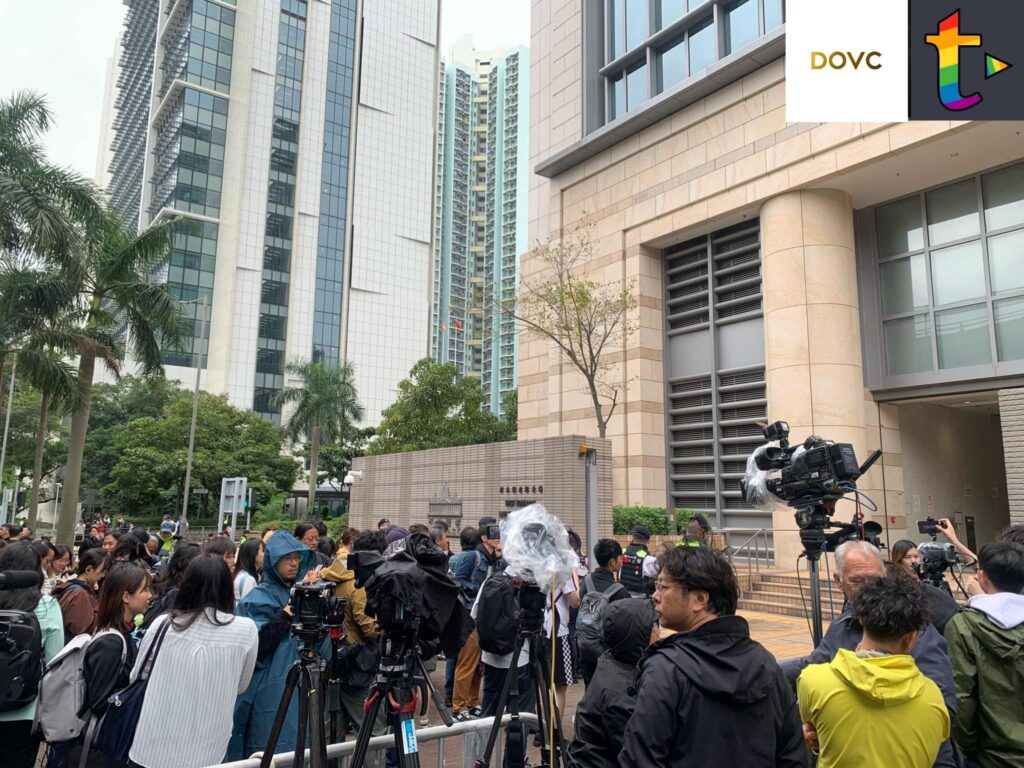
Before 2019, Hong Kongers enjoyed freedoms of speech, press, assembly, and association—rights enshrined in the Basic Law and protected, at least in theory, by international treaties. The NSL reversed these overnight. Public protest became all but impossible: applications for rallies were routinely denied, and gatherings were met with police batons and mass arrests. The once-vibrant district council elections were gutted; only “patriots”—those loyal to Beijing—could stand for office, effectively disenfranchising millions. Political opposition was criminalized. Judges, previously independent, faced pressure and vetting for “national security risks.”
The Chilling Effect
The NSL’s reach extended beyond arrests; it created a pervasive climate of fear and self-censorship. Teachers avoided discussing current events. Artists and filmmakers saw their work banned or pulled from exhibitions. Ordinary citizens deleted social media posts, fearing retroactive prosecution. Families discussed politics only in whispers, if at all. The city that once prided itself on open debate had become a place where silence was a survival tactic.
Exodus and Diaspora
Tens of thousands of Hong Kongers, faced with the destruction of their freedoms, chose to leave. The United Kingdom, Canada, Australia, and Taiwan saw surges in immigration from Hong Kong. The new diaspora became vocal advocates for democracy abroad, but their departure marked a profound loss for the city’s social fabric and its tradition of civic participation.
The World Responds—Or Doesn’t
While the international community condemned the NSL, concrete action was limited. Some governments offered new visas and asylum for fleeing Hong Kongers; others imposed targeted sanctions on Chinese and Hong Kong officials. But business interests and geopolitical calculations ultimately prevailed, and Beijing’s repression went largely unchecked.
Legacy: An Unfinished Struggle
Today, in 2026, the NSL stands as the most draconian curtailment of rights in Hong Kong’s history. It is a permanent reminder of how quickly freedom can be lost—and how urgently it must be defended. The movement that began on June 9, 2019, was not extinguished; it was forced underground and scattered across the globe. In the hearts of Hong Kongers, the fight for democracy continues, fueled by the memory of what was lost and the hope of one day reclaiming it.