 admin
admin
In today’s era of relentless heatwaves and record-shattering summers, keeping your home cool has become a science as much as a necessity. Gone are the days when “just buy an AC” was a one-size-fits-all solution. From the Victorian red-brick terraces of London, to sprawling suburban homes in the USA, to the high-rise apartments of Hong Kong, each region faces unique cooling challenges. To make the smartest choice for your climate and lifestyle, let’s first demystify the four core principles behind every cooling system.
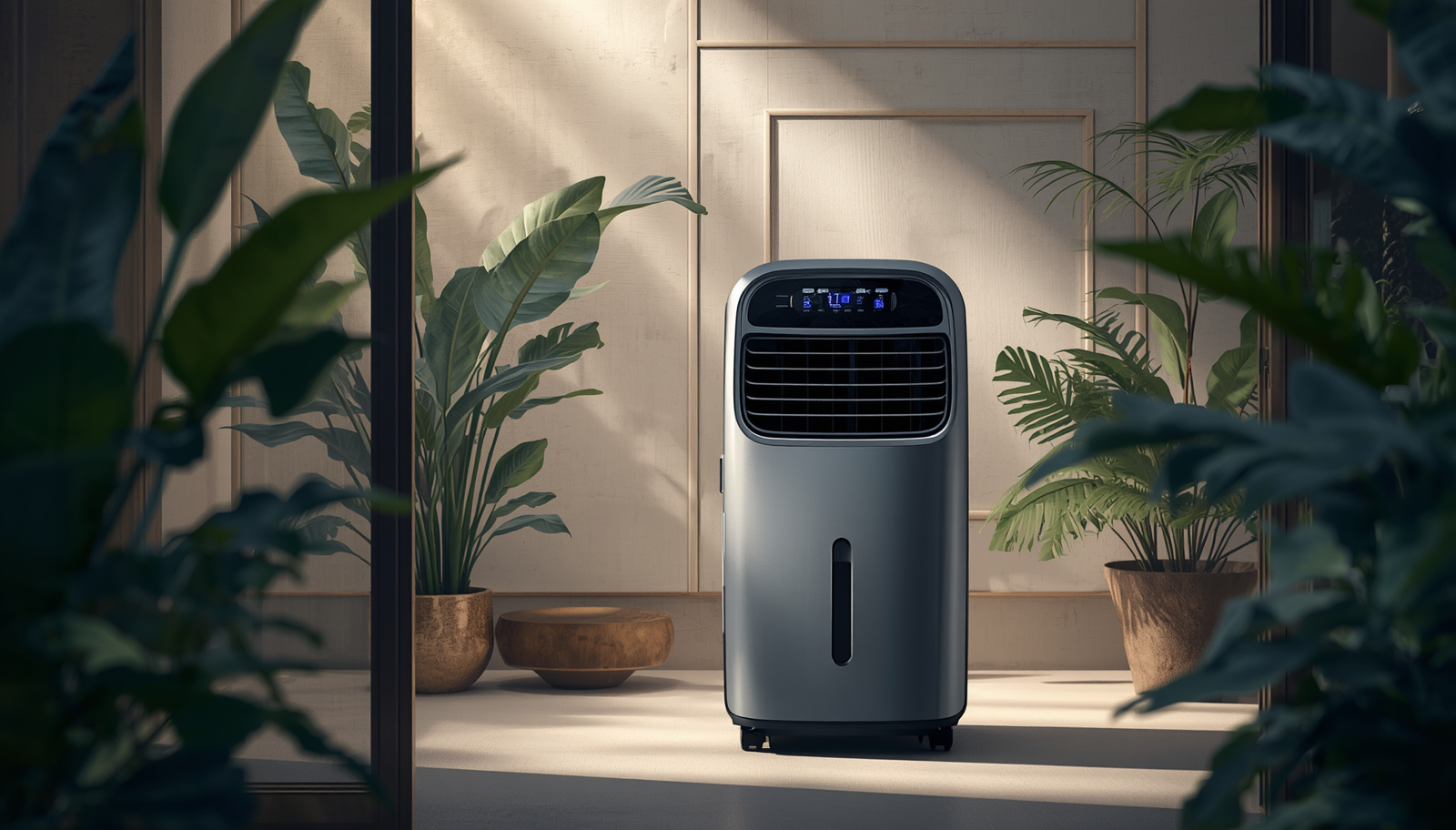
I. The Four Pillars of Cooling Science (and a Few Surprising Facts!)
1. Vapor Compression Cycle: The Backbone of Modern Air Conditioning
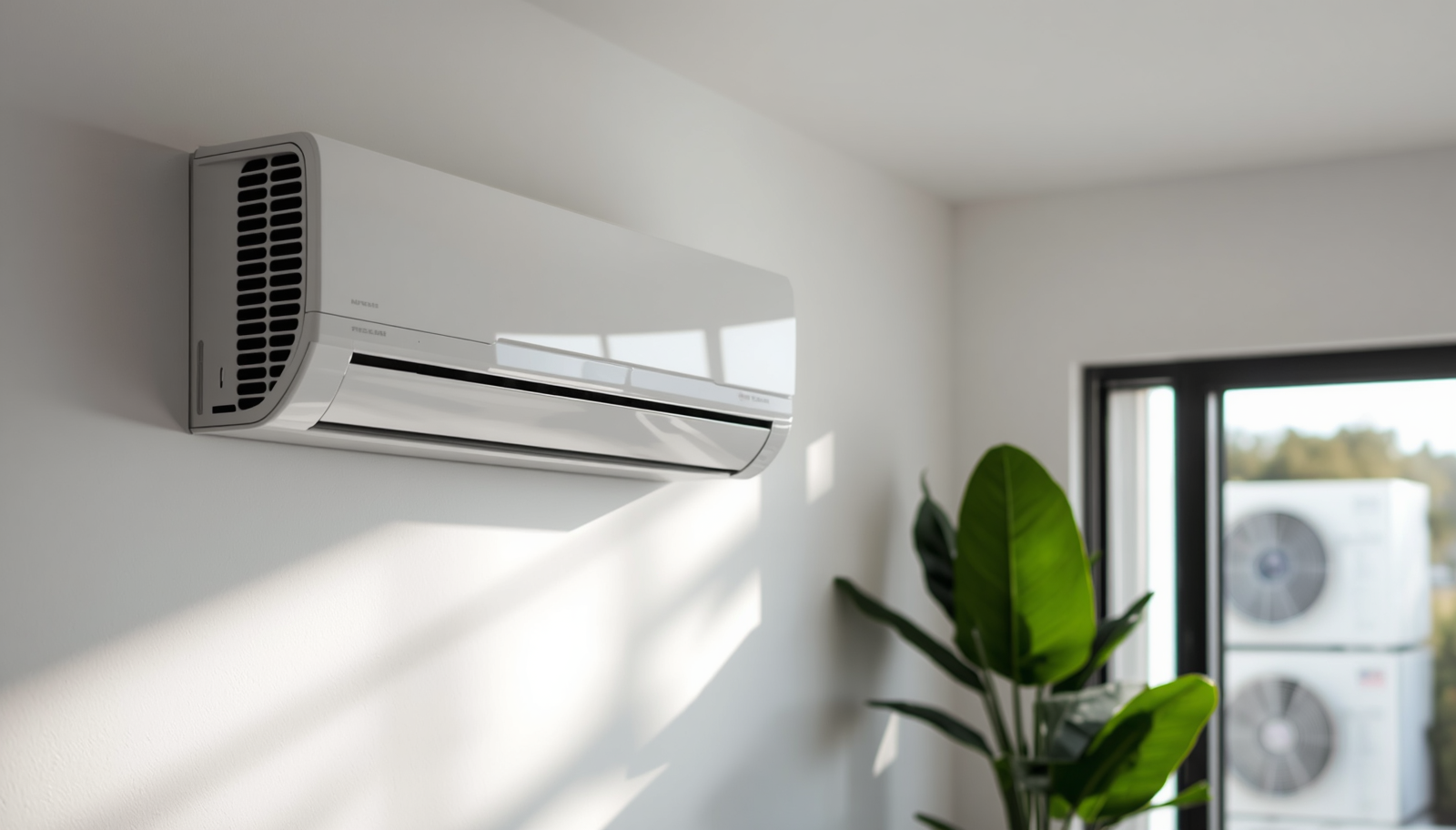
This is the powerhouse technology behind everything from Hong Kong’s ubiquitous split units to the massive central air systems in the US.
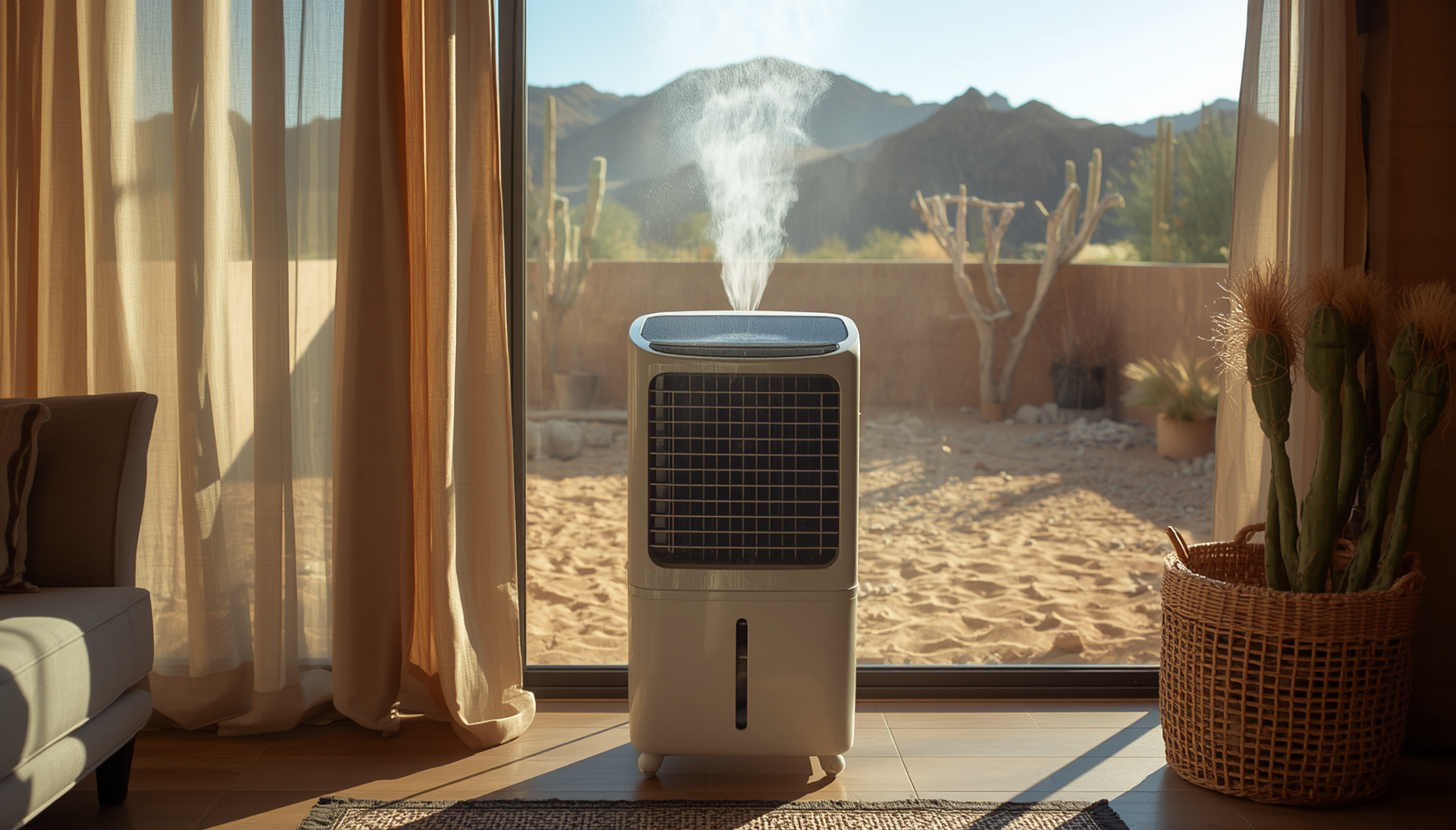
- The Physics: Contrary to what many believe, an air conditioner doesn’t create cold air. Instead, it relocates heat from inside your home to the outdoors using a clever cycle:
- Evaporation: A special refrigerant absorbs heat as it evaporates inside the indoor coil, cooling the room air.
- Compression: The compressor squeezes the now-gaseous refrigerant, increasing its temperature and pressure.
- Condensation: The hot, high-pressure gas is sent to the outdoor coil, where it releases heat and condenses back to a liquid.
- Expansion: The refrigerant cools further as it expands, ready to start the process again.
- Fun Fact: The first modern air conditioner was invented in 1902—not for comfort, but to control humidity in a printing plant!
- Regional Context:
- Hong Kong: Absolutely essential. Vapor compression units naturally dehumidify, a lifesaver during monsoon season when humidity can soar above 90%.
- USA: The gold standard for large homes and offices. Central air is as American as apple pie.
- UK: Once rare, but now increasingly popular as heatwaves become the new British summer tradition.
2. Evaporative Cooling: Harnessing Nature’s Air Conditioner
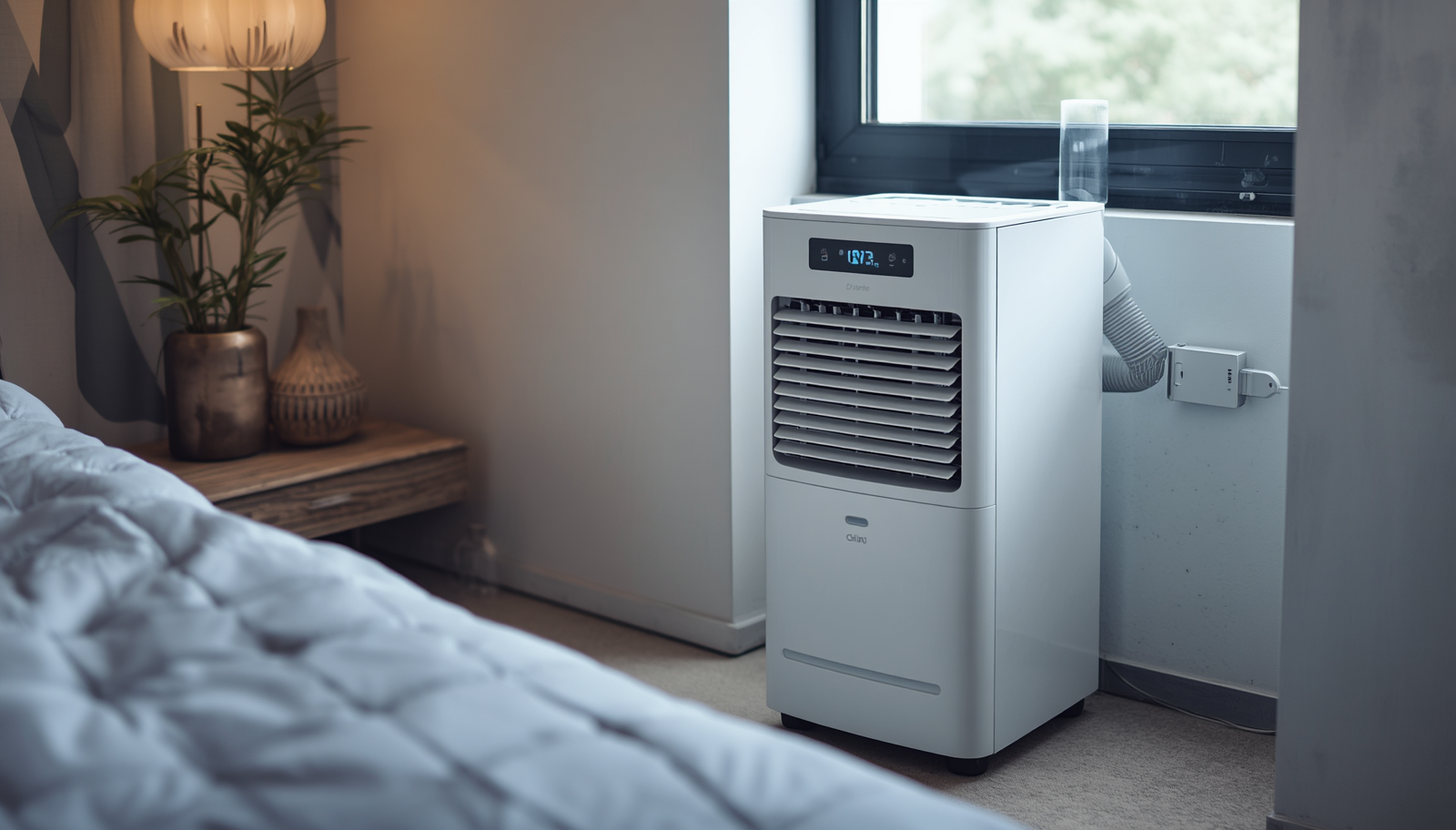
The science behind air coolers (or “swamp coolers”) is both ancient and ingenious.
- The Physics: When water evaporates, it absorbs heat from its surroundings (the “latent heat of vaporization”). Air coolers force air through wet filters, cooling it as moisture evaporates.
- Fun Fact: Ancient Egyptians and Persians cooled their homes with reeds soaked in water, hung in windows—a primitive but effective evaporative cooler!
- Regional Restrictions:
- USA (Arizona/Nevada): Miraculous in bone-dry deserts—adds coolness and a touch of humidity.
- UK: Great for moderate, not-too-humid summer spells. Low-energy and eco-friendly.
- Hong Kong: Warning! In steamy, humid climates, air coolers are more foe than friend. Instead of cooling, they turn your home into a sauna and may trigger mold blooms.
3. Thermoelectric Cooling (The Peltier Effect): The Gadgeteer’s Choice
A high-tech but niche option, often found in mini-fridges, wine cellars, or wearable cooling gadgets.
- The Physics: When electricity flows between two different semiconductors, it creates a temperature difference—one side cools, the other heats. No moving parts, no refrigerant.
- Fun Fact: NASA uses thermoelectric cooling in spacecraft to protect delicate instruments from temperature extremes!
- Use Case: Whisper-quiet and compact, but not energy-efficient for room-sized cooling. Perfect for small enclosures or personal gadgets.
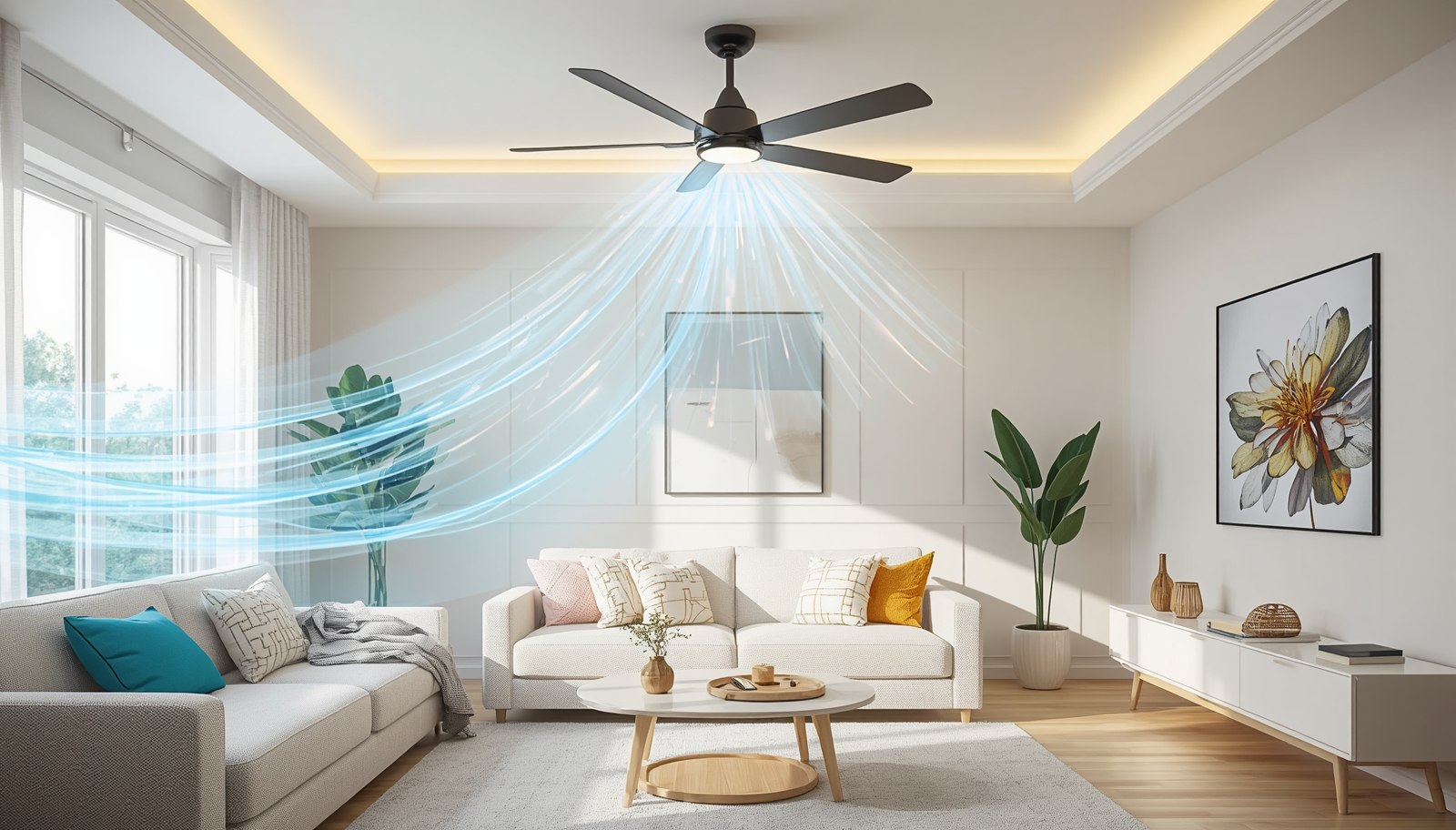
4. Convection & Evaporation Promotion: Fans, the Unsung Heroes
From classic desk fans to futuristic bladeless models, fans are a staple in homes worldwide—but not for the reason many assume.
- The Physics: Fans don’t lower the temperature of a room. Instead, they create forced convection, blowing away the warm layer of air on your skin and speeding up sweat evaporation (your body’s natural cooling process).
- Fun Fact: The first electric fan was invented in 1882 and looked more like a spinning table lamp than today’s sleek towers!
- Best Practice:
- HK/USA: Use fans to circulate cool air from your AC and prevent “hot spots.”
- UK: Position a fan by the window at night to pull in cooler outdoor air—a classic British summer hack.
II. Brand Guide: Engineering Excellence from East to West
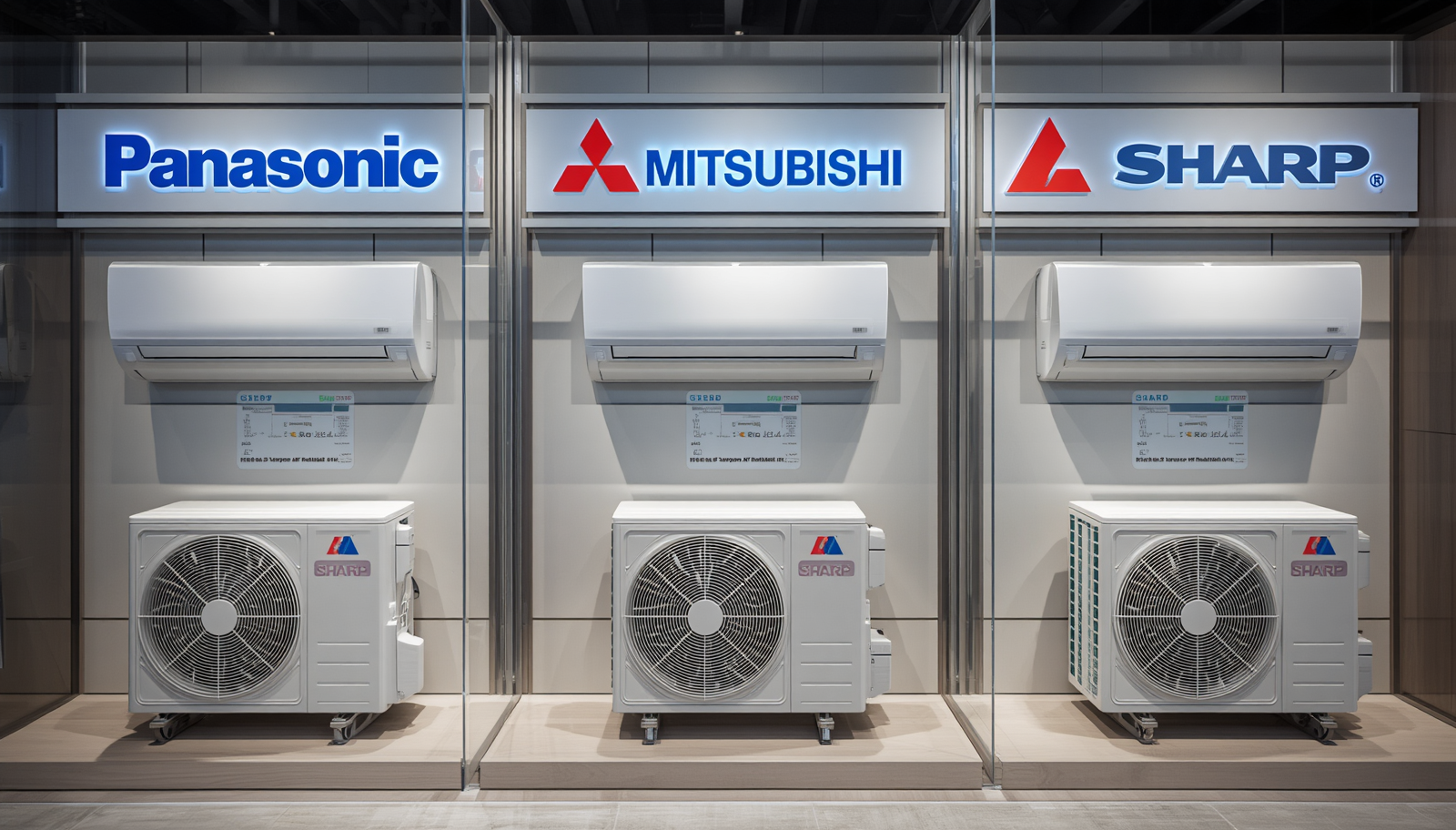
Want quality that lasts, with minimal noise and maximum efficiency? These Japanese, American, and British brands set the global bar.
1. The Japanese Icons: Precision Meets Longevity
Japan’s reputation for engineering perfection shines in their cooling tech.
- TOYOTOMI: The undisputed king of portable air conditioning. Their TAD series is legendary for robust compressors and marathon endurance—ideal for all-night use.
- Panasonic: Renowned for nanoe™X air purification, a boon for allergy sufferers and city dwellers who rarely open their windows.
- SHARP: Their Plasmacluster ion tech suppresses bacteria and mold, making them a favorite in humid climates like Hong Kong and the southern US.
- CORONA: Masters of compact, “Made in Japan” 3-in-1 units—cool, dry, and even dry your laundry!
2. The American Titans: Muscle and Power
When you need brute cooling force for bigger spaces, American brands deliver.
- Honeywell: Trusted worldwide for reliability and intuitive controls. Their portable ACs come with top-tier window seal kits and low breakdown rates.
- Frigidaire: A century-old icon, famous for rapid cooling and serious dehumidification.
- Whirlpool: Their 6th Sense Technology automatically adjusts settings for optimal comfort—so you can set it and forget it.
- Black + Decker: The go-to for high-performance, high-value cooling, especially in workshops and apartments.
3. The British Masters: Quiet, Clever, and Stylish
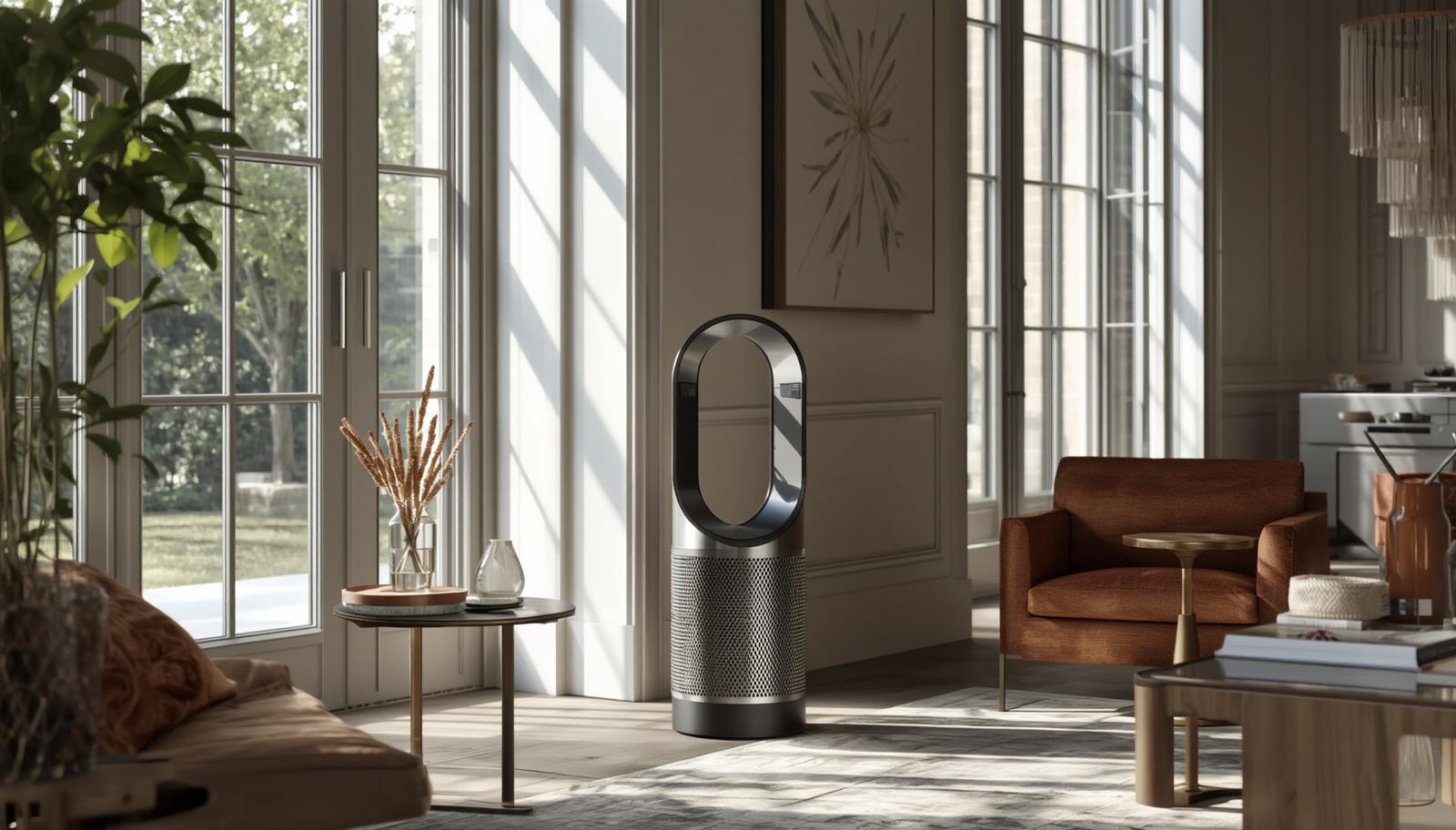
UK brands blend elegant design with whisper-quiet operation—perfect for smaller, well-insulated homes.
- Dyson: Synonymous with innovation. While they don’t make traditional portable ACs, their Purifier Cool fans are a premium choice for silent, filtered airflow.
- Meaco: Award-winning British engineering focused on ultra-quiet, energy-efficient portable ACs—ideal for light sleepers.
- Dimplex: A veteran in tailored cooling, with units designed for the quirky window styles of British and European homes.
III. Global Brand Cross-ReferenceBrandOriginCore StrengthRecommended ForToyotomiJapanIndustrial-grade compressorsHK, JapanHoneywellUSADurability & easy interfaceUSA, HKDysonUKAesthetics, Silence, FiltrationGlobalMeacoUKUltra-quiet, energy-efficientUKDe’LonghiItalyGold-standard Pinguino seriesUK, USA, HK
IV. Regional Buying Strategy: What Should You Choose?
- Hong Kong (High Heat/High Humidity): Opt for inverter air conditioners paired with strong circulation fans. Absolutely avoid air coolers—they’ll just make things worse! Brands like Panasonic and Whirlpool are safe bets, offering reliable local service.
- USA (Humid Regions): Central Air (HVAC) is king for whole-home comfort. Apartment dwellers should look for high-BTU portables from Honeywell or Frigidaire.
- USA (Arid Regions): Here’s a twist: Air coolers (swamp coolers) work better than AC, saving energy and keeping your skin comfortable.
- UK (Short Heatwaves/Insulated Homes): The best move is a portable AC with a window seal kit. For peace and quiet, choose Meaco or De’Longhi.
Final Pro-Tip:
No matter how advanced your AC, it’s only as good as its window seal. In the UK’s casement windows or the USA’s slider styles, invest in a window seal cloth/kit to block hot air from sneaking back inside. Remember: In the war against heat, physics always wins—so seal your fortress!
Bonus Trivia:
- The largest air conditioning system in the world is in Mecca, Saudi Arabia, cooling millions of pilgrims each year!
- The phrase “it’s not the heat, it’s the humidity” is scientifically accurate: high humidity reduces the body’s ability to cool itself via sweat evaporation.
- India’s ancient palaces used “jaali” stone latticework to channel breezes and cool interiors long before electricity!
Stay cool, stay smart, and let science be your summer ally.
Join our WhatsApp Channels:
Visions of the Soul: The Eternal Radiance of Thangka Art
親北京人士對英國BNO政策表示關注Pro-Beijing Voice Raises Concerns About UK’s BNO Policy at UN
The Anatomy of Elegance: Deciphering the Historical Codes of British Headwear and Formal Attire