 admin
admin
Preface: The Emerald Frontline in Asia’s Culture Wars
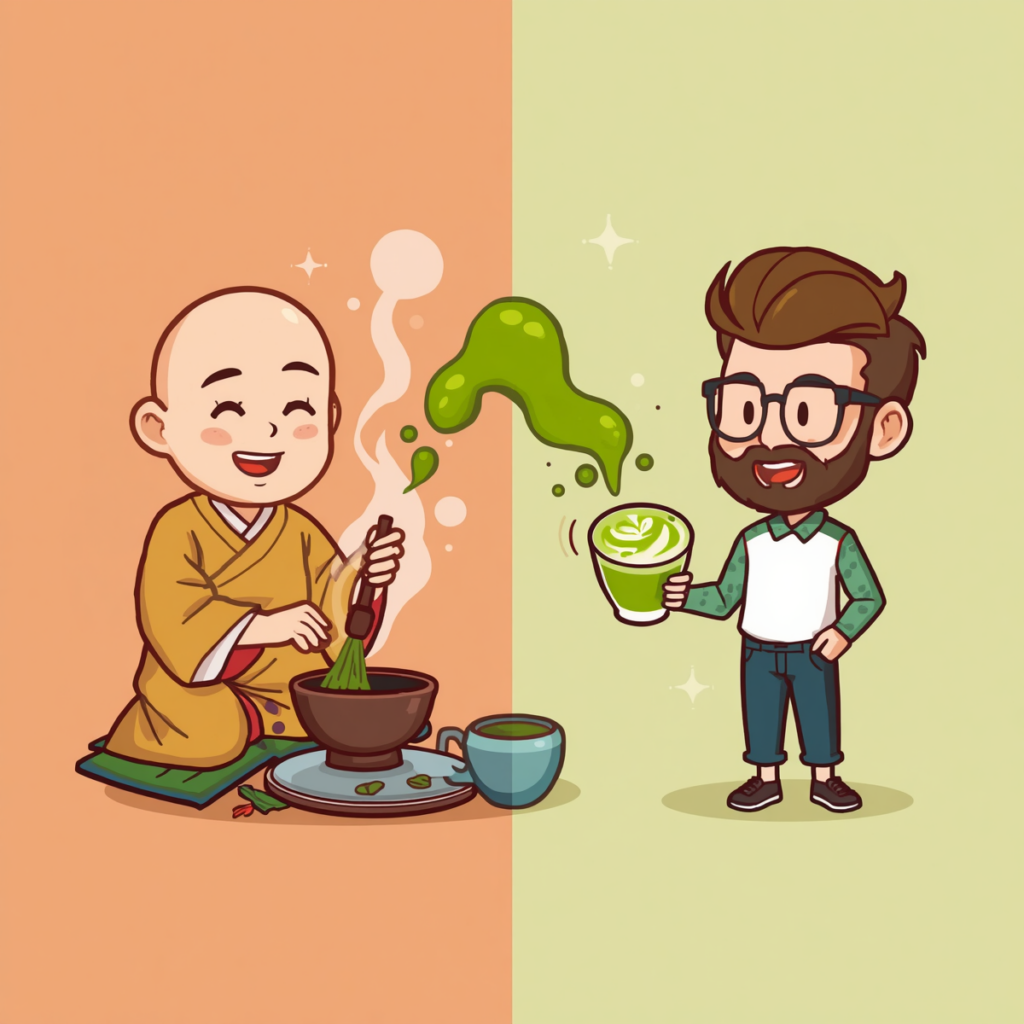
A bright green powder sits at the heart of a quiet but fierce cultural contest spanning East Asia and the globe. Matcha—once a ceremonial drink reserved for Zen monks and emperors—now fuels lattes in Brooklyn, shapes menus in Paris, and drives billion-dollar exports from China and Japan. In 2025, China’s announcement that it now produces over 70% of the world’s matcha set off a digital firestorm. To some, this was a homecoming: “Matcha returns to its Chinese roots!” To others, especially in Japan, it felt like a cultural sleight of hand—a contest not just of economics, but of authenticity. In the end, the debate transcends simple numbers; it’s about who cultivated the tradition, who elevated it, and who bears the spirit of matcha today.
I. From Bitter Elixir to Global Sweetheart: The Reinvention of Matcha
Ancient Roots in the Middle Kingdom
Matcha’s story begins over a millennium ago in China. During the Tang (618–907 AD) and Song (960–1279 AD) dynasties, tea was prized not only as a drink but as a ritual object, a poetic muse, and a medicine. The original “matcha” was more medicinal than luxurious: steamed tea leaves were pressed into bricks, roasted, then ground into a powder to be whisked with water in a bowl.
Tea culture flourished in the Song court, where literati competed to create the perfect froth—yet the practice faded as dynasties changed and leaf-steeping gained favor. The powdered method survived only in select Buddhist monasteries and, crucially, journeyed east.
The Japanese Reinvention: From Zen to Dessert
In the 12th century, the monk Eisai carried tea seeds and the powdered preparation method to Japan, where matcha found a spiritual home in Zen temples. Over centuries, Japan transformed matcha from a monastic stimulant into the centerpiece of the chanoyu (tea ceremony)—a codified ritual of humility, artistry, and hospitality. The Japanese fixation on refinement pushed every element—shading the tea bushes for chlorophyll-rich leaves, slow stone-grinding, precise whisking—toward perfection.
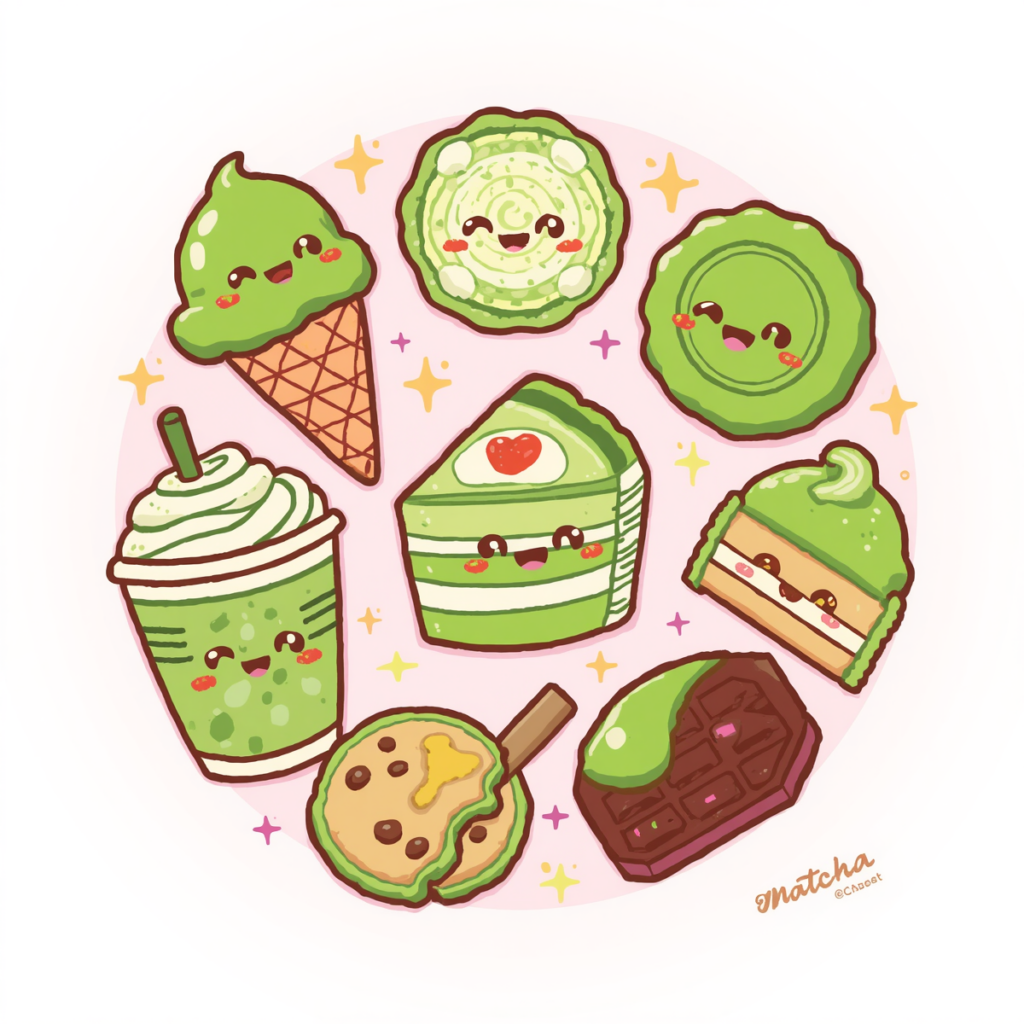
The leap from ceremonial drink to global dessert icon occurred only recently. In the 1980s, facing surplus production and a rapidly modernizing palate, Japanese tea producers began blending matcha into foods. The watershed moment: Häagen-Dazs’ Matcha ice cream (1996), which became an instant classic in Japan and soon abroad. Japanese patissiers, blending French pastry technique with native ingredients, gave the world emerald-hued opera cakes, mille-crêpes, and macarons. The meticulous demand for color and flavor purity spurred advances in cultivation and processing—turning matcha into a byword for quality and luxury.
The Modern Wave: Lattes, Bubble Tea, and Millennial Cool
The 21st century brought the global “matcha-ization” of drinks and desserts. Starbucks’ Matcha Latte (2006) exported the flavor to the world, recasting matcha as a chic, healthy alternative to coffee. Taiwanese bubble tea shops fused it with creamy milk and chewy tapioca, creating an Instagrammable sensation. Suddenly, an ancient monastic beverage became a symbol of cosmopolitan taste and wellness.
II. The Superfood Era: Matcha as Mindful Luxury

Science Meets Myth: The Wellness Boom
Matcha’s rise in the West owes as much to narrative as to nutrition. In the 2010s, amid a wellness craze, matcha was rebranded as a “Superfood”—a panacea for stress, aging, and fatigue. Models and tech executives touted it as the secret to “calm alertness.” The science checked out: matcha’s high L-theanine content modulates caffeine, producing sustained focus without the jitters. Its ORAC (Oxygen Radical Absorbance Capacity) rating—an indicator of antioxidant strength—dwarfs that of blueberries and dark chocolate.
Ritual in a Cup: Selling Zen to the World
Japanese marketers wove a tapestry of “liquid meditation,” positioning matcha as both ancient and cutting-edge. The pairing of centuries-old Zen practice with modern health data allowed a small tin of ceremonial-grade matcha to fetch prices rivaling fine wine. The act of sifting, whisking, and sipping became an aspirational ritual—a daily moment of mindfulness for a frenetic world.
III. Why Japanese Matcha Commands a Premium
Grading, Provenance, and Trust
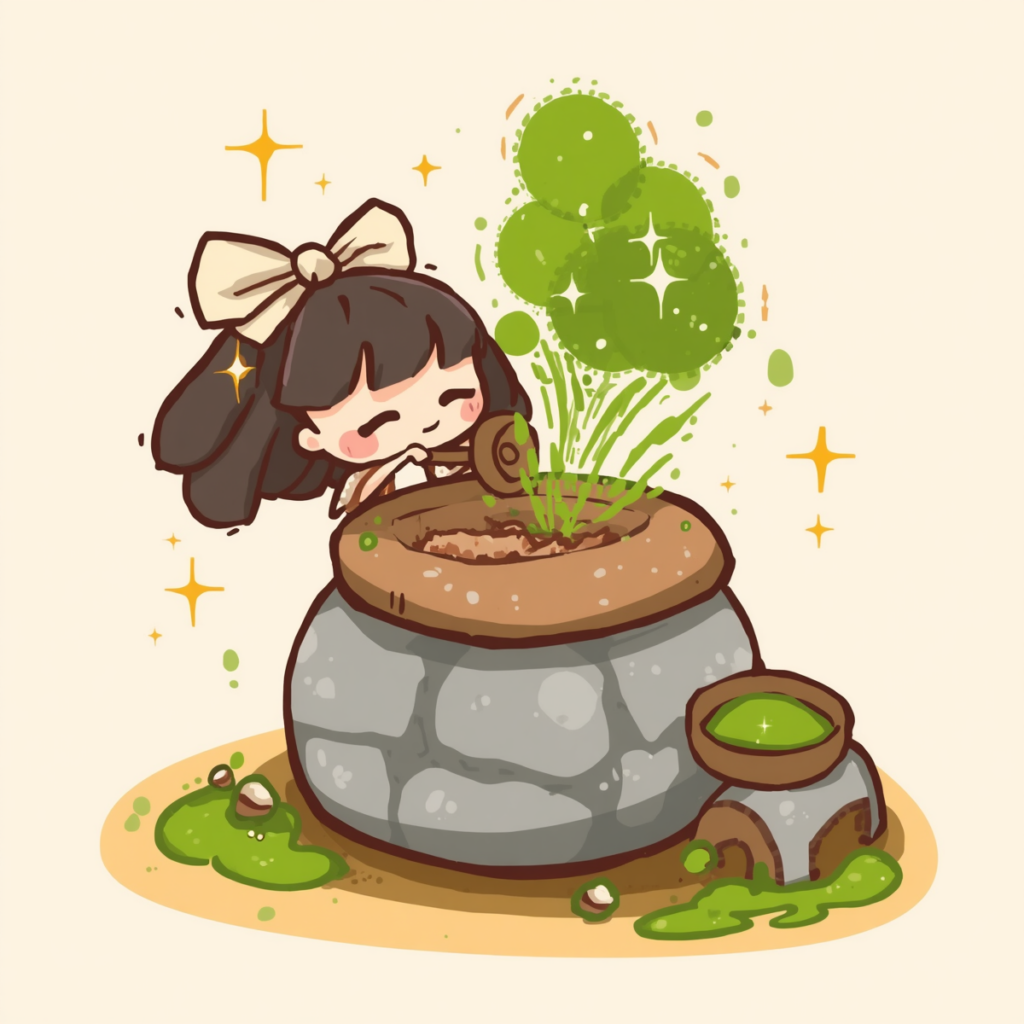
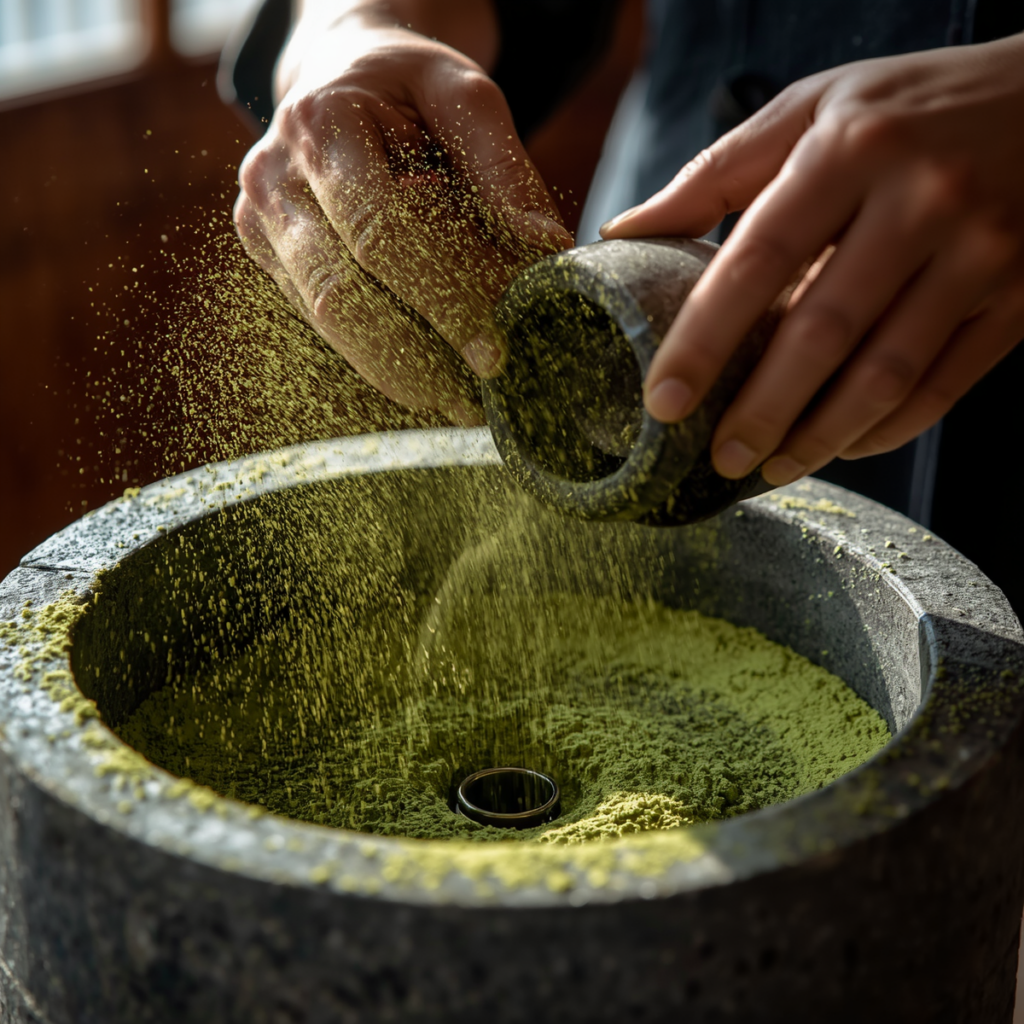
Japan’s matcha economy is built on a sophisticated system of grades and provenance. “Ceremonial grade” matcha, harvested from the first tender leaves of spring and ground under granite stones, is reserved for the tea ceremony and high-end consumption. “Culinary grade” serves the booming market for sweets and beverages, but with strict standards for color and flavor.
The Japanese approach is less about volume than about story and trust. Regional brands—Uji, Nishio, Yame—are fiercely protected, with rigorous quality controls and centuries of tradition. Matcha is not merely a commodity; it is a luxury, a symbol of “shokunin” (artisan) spirit and reverence for nature.
The Chinese Juggernaut: Scale Without Story?
China’s recent dominance is, above all, a story of scale. Leveraging vast tea plantations and industrial efficiency, China supplies the bulk of the world’s matcha—much of it for mass-market beverages and processed foods. But the question remains: Can China reclaim matcha’s soul, or is it merely exporting green powder?
IV. Guardians of Tradition: The Asian Mosaic of Cultural Preservation
Mainland China: The Broken Chain
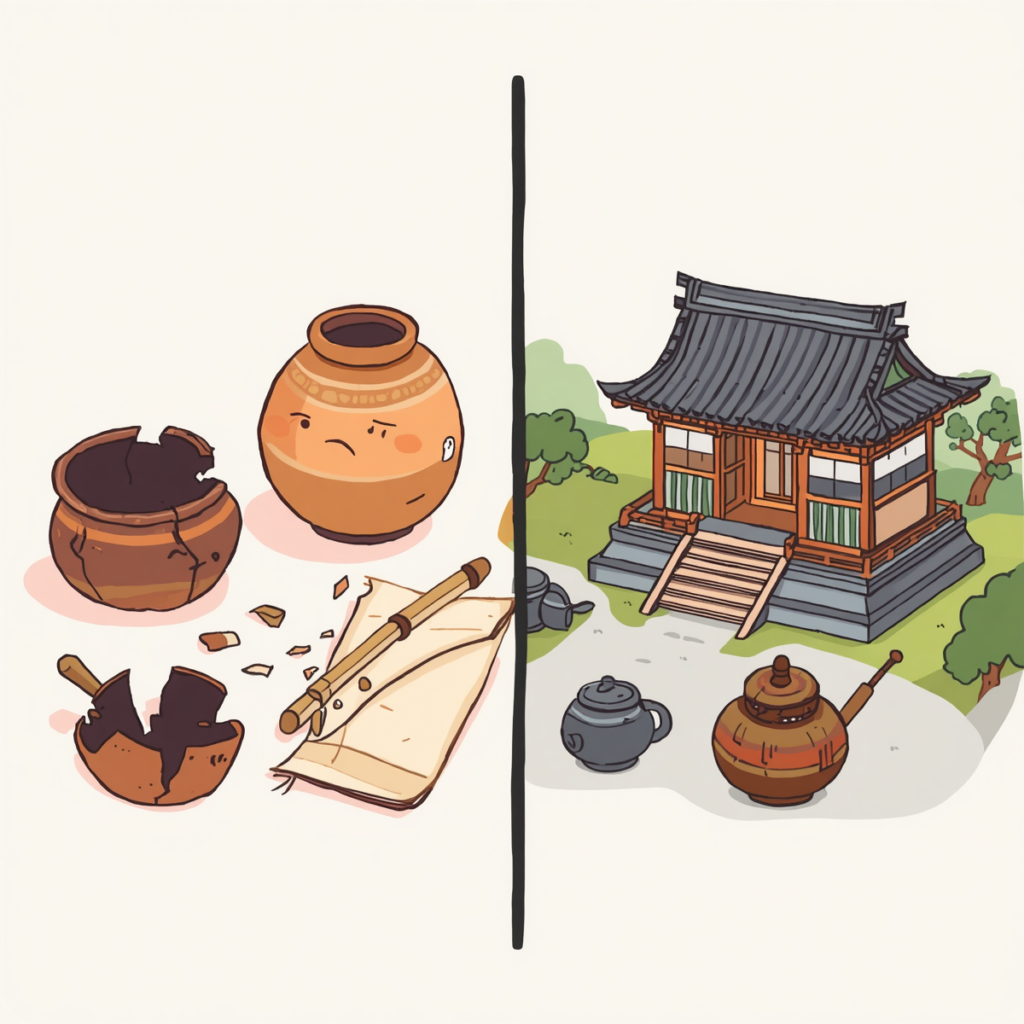
China, the original homeland of powdered tea, endured centuries of upheaval. The late imperial decline, followed by the Cultural Revolution, shattered not just monuments but the very social fabric of literati culture. What survives today is often stripped of ritual: tea as a commodity, calligraphy as a résumé line, tradition as a “useful tool.” The challenge is to recover not just technique, but the spirit of awe and artistry.
Japan: Sanctuary of Tang and Song Heritage
Japan, by contrast, became a “cold storage” for the splendors of Tang and Song China. Architecture, poetry, tea, and Zen—practices lost or transformed in the mainland—were preserved, adapted, and cherished as lifeblood. The Japanese see culture as a sacred inheritance, not to be diluted or rushed. The result: a living museum and a creative engine fused into one.
Korea: The Last Confucian Stronghold
Korea, often overlooked in the matcha narrative, has been a diligent steward of Ming and earlier Chinese traditions, especially in ritual. The “Seokjeon Daeje” ceremonies at Sungkyunkwan University preserve the Confucian rites, music, and attire of the Ming era more faithfully than any found in China today. Here, ancestral worship is not performance, but daily practice.
Taiwan: Refuge of the Republican Spirit
Taiwan’s cultural landscape was shaped by waves of migration, most dramatically in 1949 with the arrival of scholars, artists, and officials fleeing the mainland. While China repudiated “old culture,” Taiwan nurtured it—maintaining traditional festivals, religious worship, and classical arts. The persistence of traditional characters, calligraphy, and folk rituals gives Taiwan a rare continuity and warmth.
Malaysia: Diaspora as Custodian
For the Chinese community in Malaysia, culture is a shield and an identity. With the most complete Chinese education system outside the mainland, Malaysian Chinese have made ancestral rituals, festivals, and language a bulwark against assimilation. The “24 Festive Drums” and meticulous funerary customs are often more rigorously observed than in ancestral villages in Guangdong or Fujian.
V. Beyond Origin: The True Measure of Cultural Stewardship
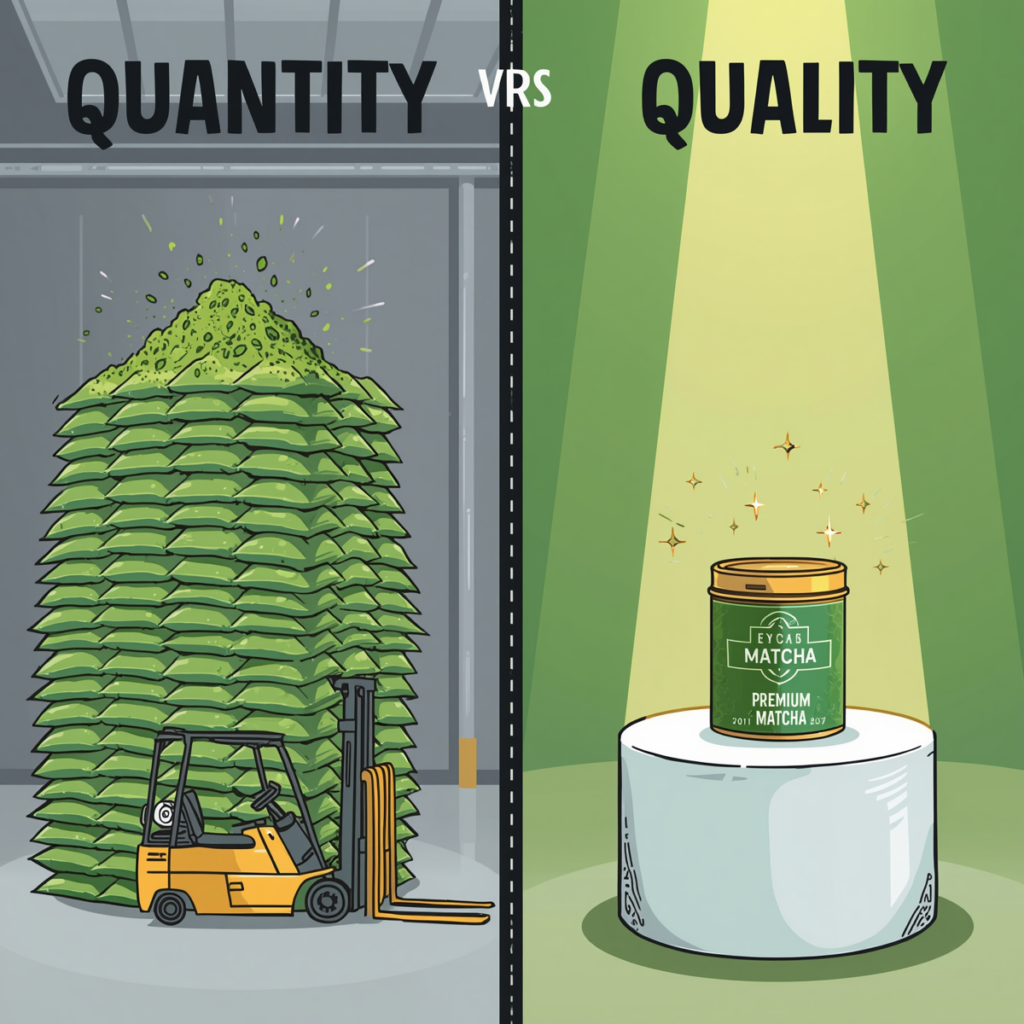
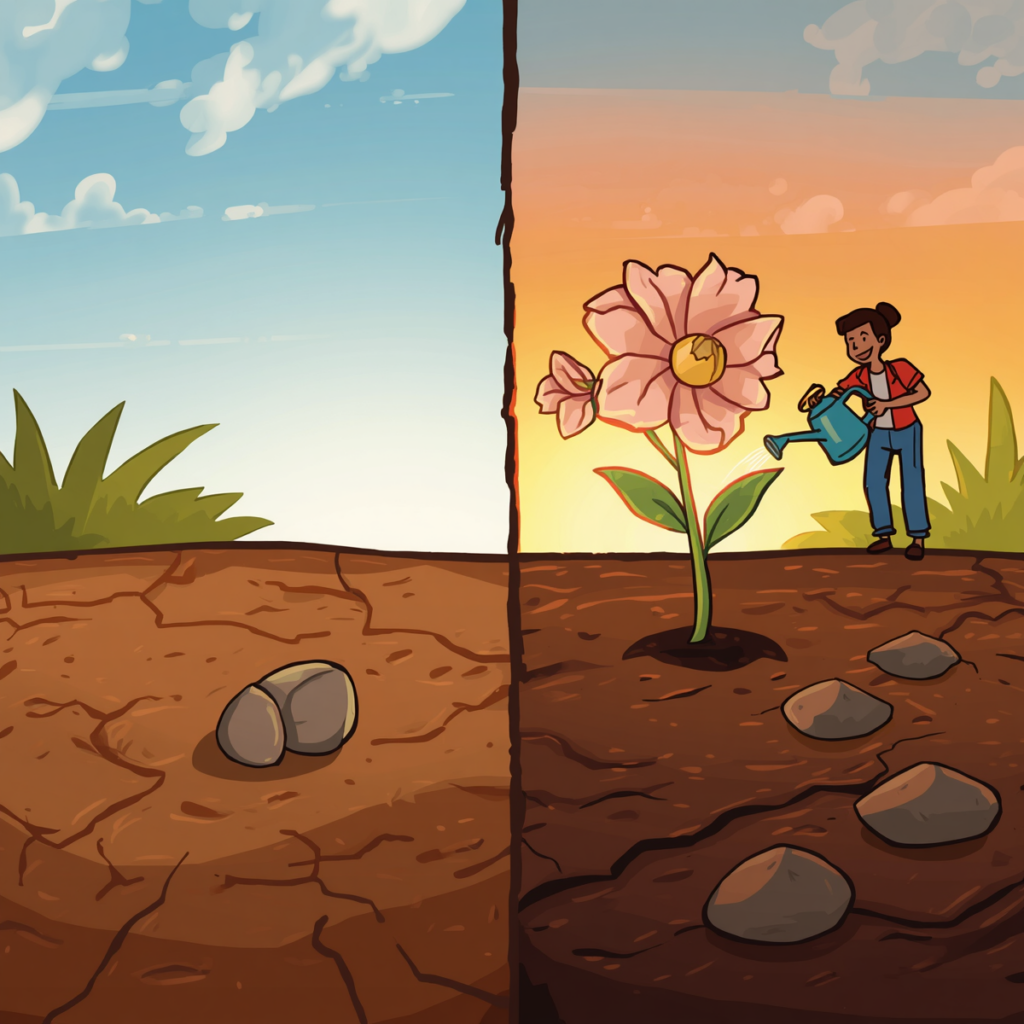
Culture, like a seed, transcends its birthplace. If the original soil is scorched but the seed blooms in another’s garden, can the original owner claim the harvest? China’s matcha output is a triumph of scale, but global prestige demands more: the revival of reverence, craftsmanship, and meaning.
To reclaim matcha’s soul, China—and all custodians of ancient culture—must move beyond output, rediscovering the “why” that infuses technique with spirit. Orthodoxy is measured not by tonnage, but by the depth of tradition, the artistry of practice, and the sincerity of cultural memory.
In the end, the sovereignty over matcha is not won by acreage or exports, but by honoring the lineage, the labor, and the living ritual that turns green powder into a vessel of history and hope.
Sidebars:
- Matcha in Pop Culture: From anime to skincare, matcha’s color and cachet have made it an aesthetic icon.
- How Matcha is Made: Only the youngest leaves from shaded tea plants are steamed, de-veined, dried, and stone-ground—a process demanding immense skill.
- Matcha’s Medicinal Past: Ancient Chinese texts praised powdered tea for detoxifying, aiding digestion, and sharpening the mind—attributes still cited today.