 admin
admin
For many in the West, “Feng Shui” conjures up images of exotic interior design—a mystical excuse for moving your sofa or hanging a wind chime near the window. But travel east, and you’ll find that in cosmopolitan Hong Kong, Feng Shui is no mere home decor trend. It’s a millennia-old system blending environmental science, philosophy, architecture, and a little bit of magic—a worldview that’s shaped city skylines and family fortunes alike.
What is Feng Shui, Really?
Let’s start with the basics: “Feng” means wind and “Shui” means water. Ancient Chinese philosophers believed that the world is animated by a vital force called “Qi” (pronounced “chee”). Feng Shui is the art of living in harmony with this energy—aligning your environment to invite prosperity, health, and happiness. Think of it as the original “vibe check”—but with centuries of deep theory and practical application.
Hong Kong’s Skyline: Where Feng Shui Battles Are Fought in Steel and Glass

Forget boardroom backstabbing; in Hong Kong, the juiciest rivalries are played out between skyscrapers. The city’s most legendary “Feng Shui war” erupted in the 1980s, when architect I.M. Pei’s Bank of China (BOC) Tower—sharp-angled and blade-like—was built with its pointed edge aimed directly at the headquarters of HSBC. Local lore claims HSBC’s fortunes took a nosedive until it retaliated by placing two cannon-shaped cranes on its roof, aimed right back at the BOC Tower. This “Battle of Knife and Cannons” is now the stuff of urban legend. And those two fierce bronze lions outside HSBC? They’re not just Insta-worthy mascots—they’re ancient guardians, anchoring wealth and warding off ill fortune through a classic Feng Shui formation.
Fun Fact: The lions, named Stephen and Stitt, have their own fanbase and even survived World War II, later being returned to their posts as symbols of resilience and luck.
Living Below the Clouds: Why Billionaires Skip The Peak
In a city obsessed with status, you’d expect Hong Kong’s tycoons to snatch up homes at The Peak—the city’s highest, most exclusive neighborhood. But many prefer the Mid-Levels, nestled just below. Why? In Feng Shui, “harboring the wind and gathering Qi” trumps bragging rights. The Peak is exposed to fierce winds (and equally fierce gossip), believed to blow prosperity away. The Mid-Levels, with their mountain backs and sweeping harbor views, are seen as the sweet spot for collecting and preserving wealth.
Lost Secrets and the Many Faces of Feng Shui

Feng Shui’s roots stretch back thousands of years, shrouded in rumor and myth. The ultimate ancient formula—the “Nine Dragons Secret”—is said to be lost to time, leaving behind a patchwork of schools and styles. Some focus on compass directions (the “Compass School”), others on landforms and water (the “Form School”), and still others mix in astrology and birth dates. Despite their differences, all share the core goal: aligning human life with the rhythms and flows of nature.
Ancient Wisdom, Modern Science: Is Feng Shui Just Environmental Psychology?

Western skeptics might scoff, but modern Feng Shui isn’t far from science. Good Feng Shui means good airflow, plenty of sunlight, and thoughtful layouts—principles echoed by contemporary architecture and environmental psychology. When ancient masters spoke of “Qi flow,” they were really talking about a healthy indoor microclimate. If your space is bright, breezy, and comfortable, you’re likely to thrive. Magic? Or just good design?
Fun Fact: Hong Kong’s Chek Lap Kok Airport was famously relocated at the advice of Feng Shui experts, who determined the old site had “bad Qi.”
Common Feng Shui Pitfalls (and How to Avoid Them)
Many modern apartments unwittingly trap bad energy. For example, the dreaded “Piercing Hall Sha”—a straight line from front door to back window—invites wealth to whoosh in and right back out. Overhead beams above your bed or desk? They don’t just cramp your style—they’re thought to subconsciously stress you out and sap productivity.
The Power of the Door and the Pulse of the Earth

In Feng Shui, the main door is the “Mouth of Qi”—the entryway for all energies, good and bad. Its direction influences everything from sunlight to the flow of fortune. “Earth Qi” is the vibe of the land itself: build on solid, vibrant ground, and you’re nurturing success. Build over a swamp or landfill, and no amount of fancy wallpaper will erase that underlying gloom.
Spirits as Invisible Roommates: Paranormal Feng Shui
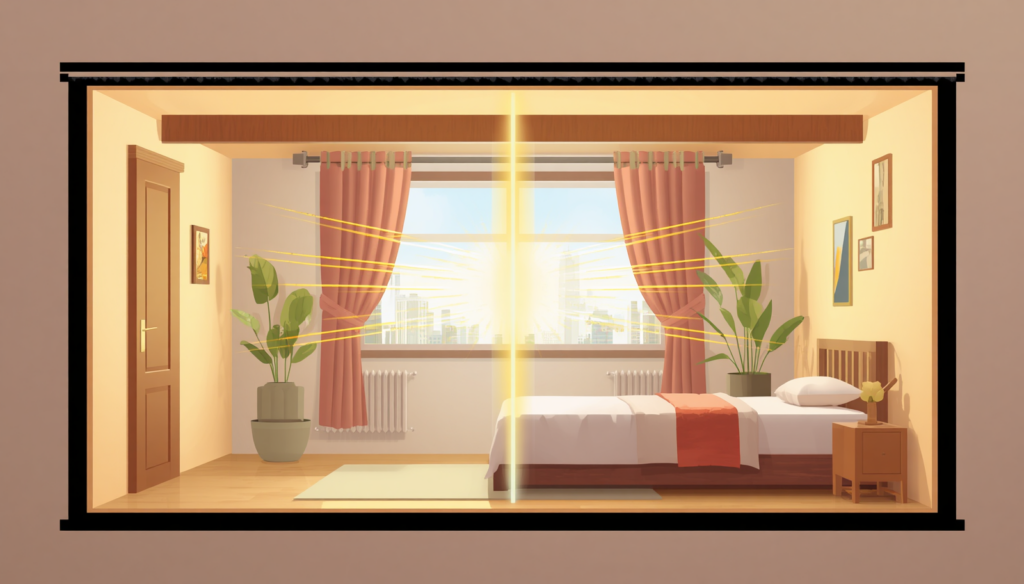
Talk of “ghosts” might sound like a horror movie plot, but in Chinese culture, spirits are just another type of energy—Yin Qi. How do you know if your home’s got a supernatural squatter? Watch for clues: unexplained chills, pets acting spooked, or plants that refuse to thrive. Good spirits bring peace; bad ones bring restless nights and dying daffodils.
Fun Fact: Some Hong Kong apartments are labeled as “haunted” and sell for a fraction of the price. For the brave (or skeptical), it’s a real estate bargain!
Blessed People, Blessed Places: The Feng Shui Feedback Loop
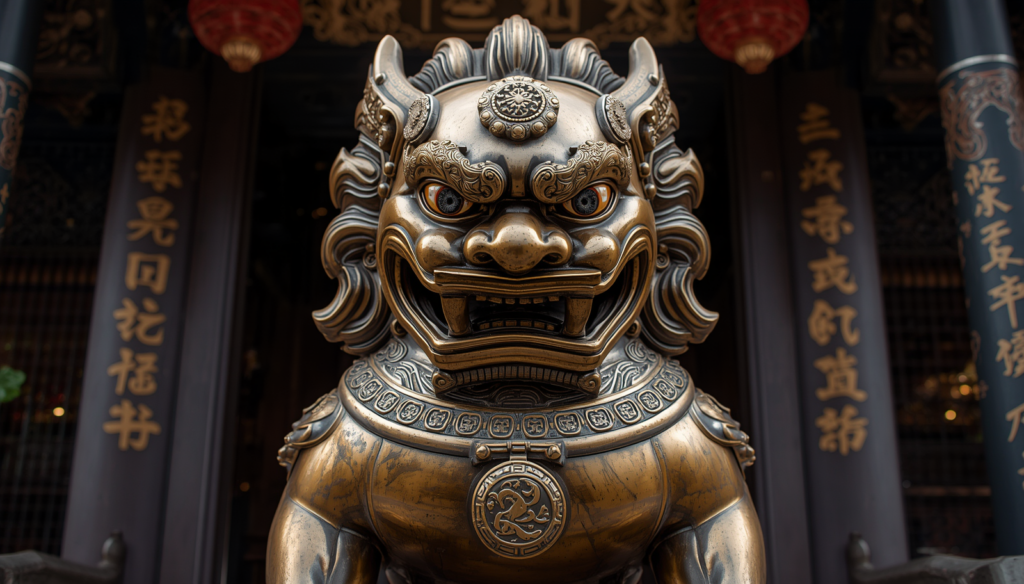
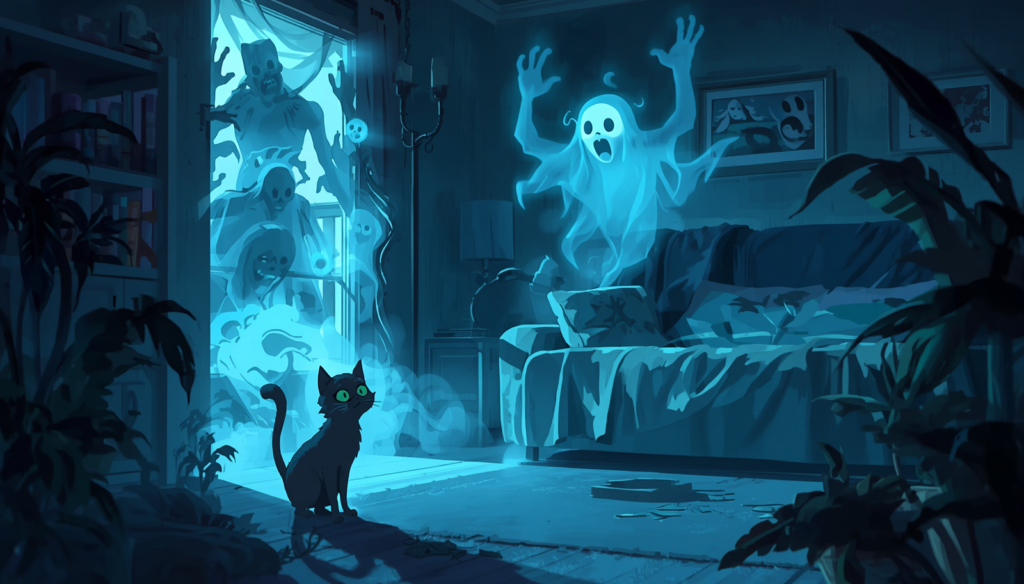
An old proverb says, “A blessed person lives in a blessed place, and a blessed place attracts blessed people.” It’s a two-way street. A positive, kind-hearted resident can shift even bad Feng Shui, just as a home with great energy can uplift its inhabitants. In other words: mindset matters as much as the layout.
Urban Legends: Real-Life Feng Shui Mysteries
- The Hopewell Centre’s Career Curse: In the iconic cylindrical Hopewell Centre, legend holds that women over 40 working in a certain office are doomed to quit or be fired mysteriously—a curse blamed on the building’s airflow and magnetic field.
- The Block D Honor Roll: In some large housing estates, Block D’s kids are academic prodigies, while Block C is infamous for “mixed marriages” and high divorce rates. Feng Shui experts claim it’s all down to the direction of “flying stars.”
- Inherited Bad Qi: If a home’s previous occupant suffered illness or bankruptcy, Chinese buyers believe their misfortune lingers as “sick Qi” or “poor Qi.” No sage stick required—just a preference for buying new builds.
Why Hong Kongers Love “New Builds” Abroad
When Hong Kongers move abroad, they flock to brand-new houses, shunning charming old homes beloved by Westerners. To Feng Shui followers, a new build is a blank slate, free from any lingering misfortune. Who wants to inherit someone else’s bad vibes?
Get Started: The Essential Feng Shui Toolkit
Ready to channel your inner energy architect? Every budding practitioner needs a Feng Shui compass (Luo Pan). A beginner-friendly option is the 4.3 Inch Feng Shui Compass, complete with Bagua markings for pinpointing lucky (and unlucky) corners. Bonus: it comes with a traditional red string bracelet, said to ward off evil and attract good luck—a fashion statement with benefits!
👉 Click here to learn more or purchase the Feng Shui compass: https://amzn.to/4eL7diZ

Whether you treat Feng Shui as science, philosophy, or ancient magic, it offers a refreshing way to rethink our relationship with the spaces we inhabit—and maybe, just maybe, to stack the cosmic odds in our favor.
Join our WhatsApp Channels:
在情緒的兩極間,找回真實活著的勇氣:關於「成長」的另一種解讀
The Anatomy of Elegance: Deciphering the Historical Codes of British Headwear and Formal Attire