 TChannelHK
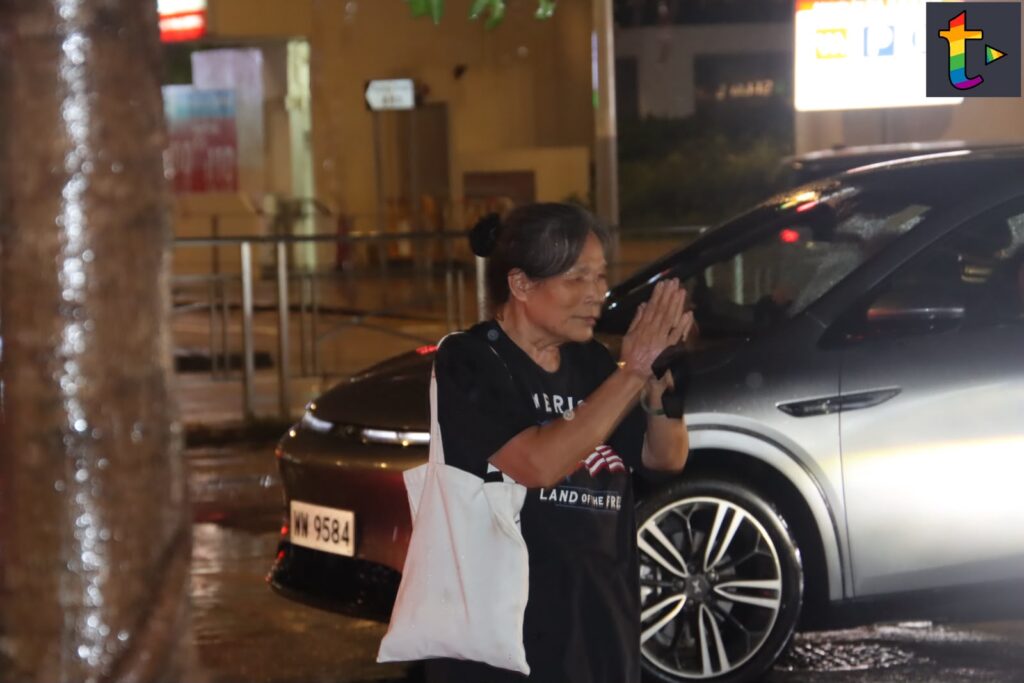
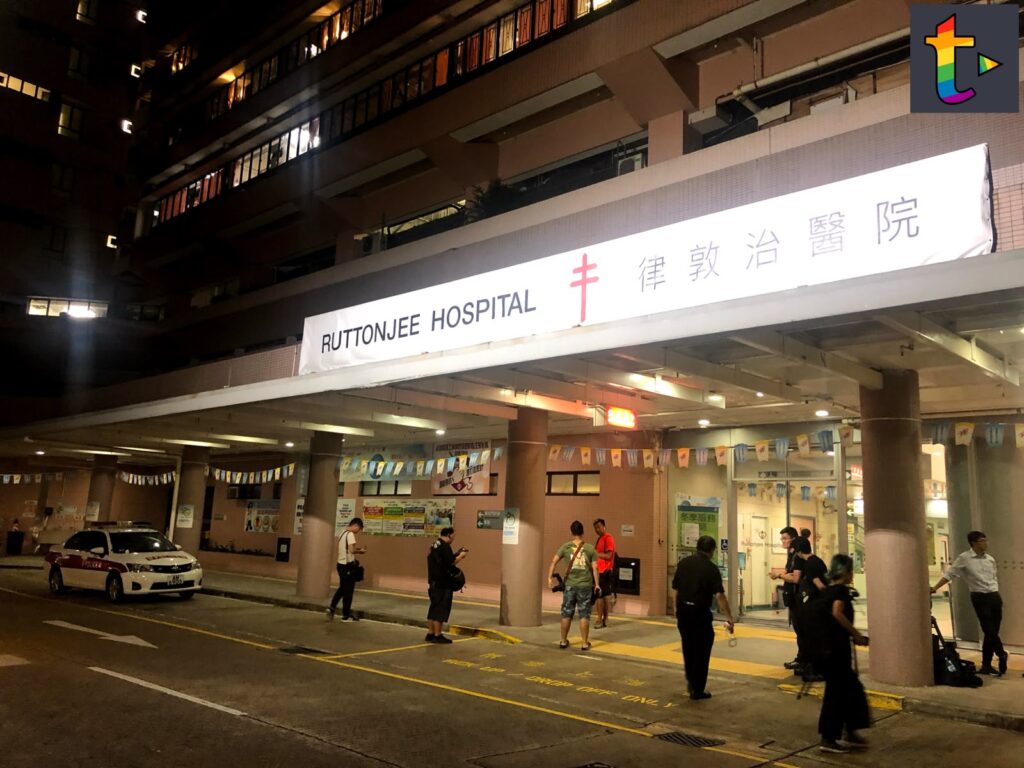
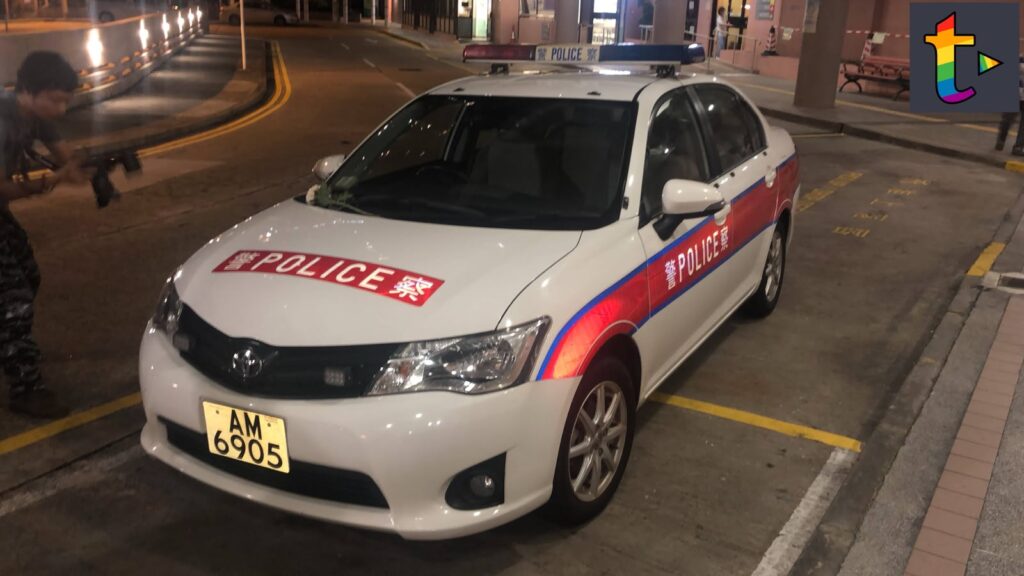
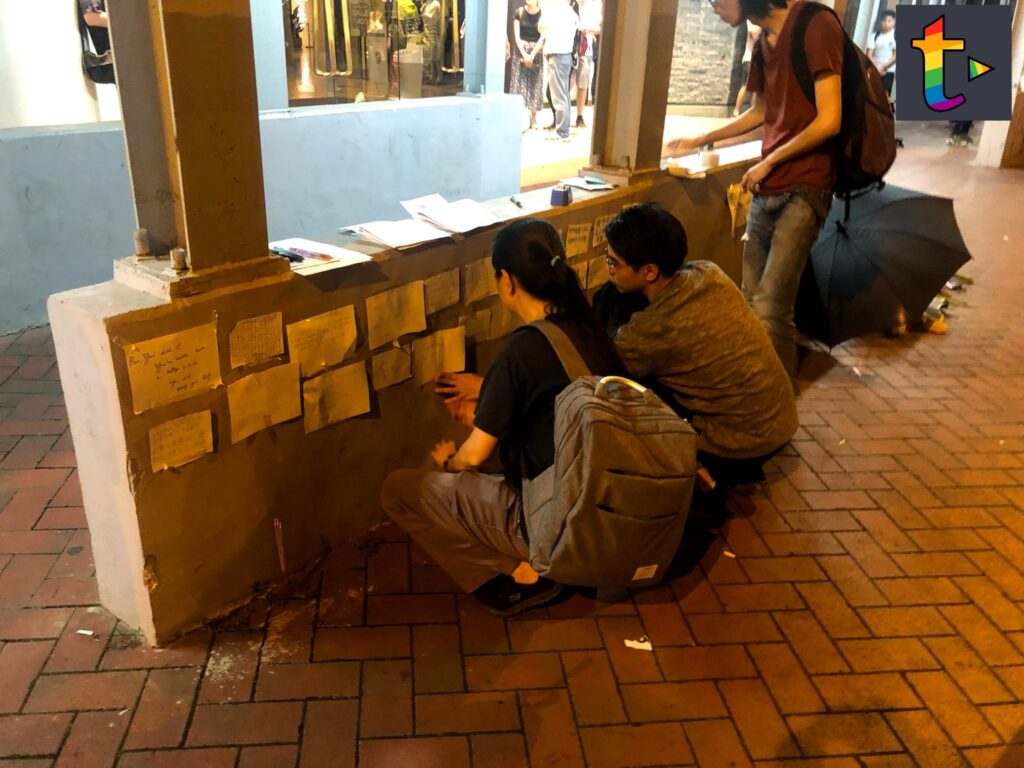
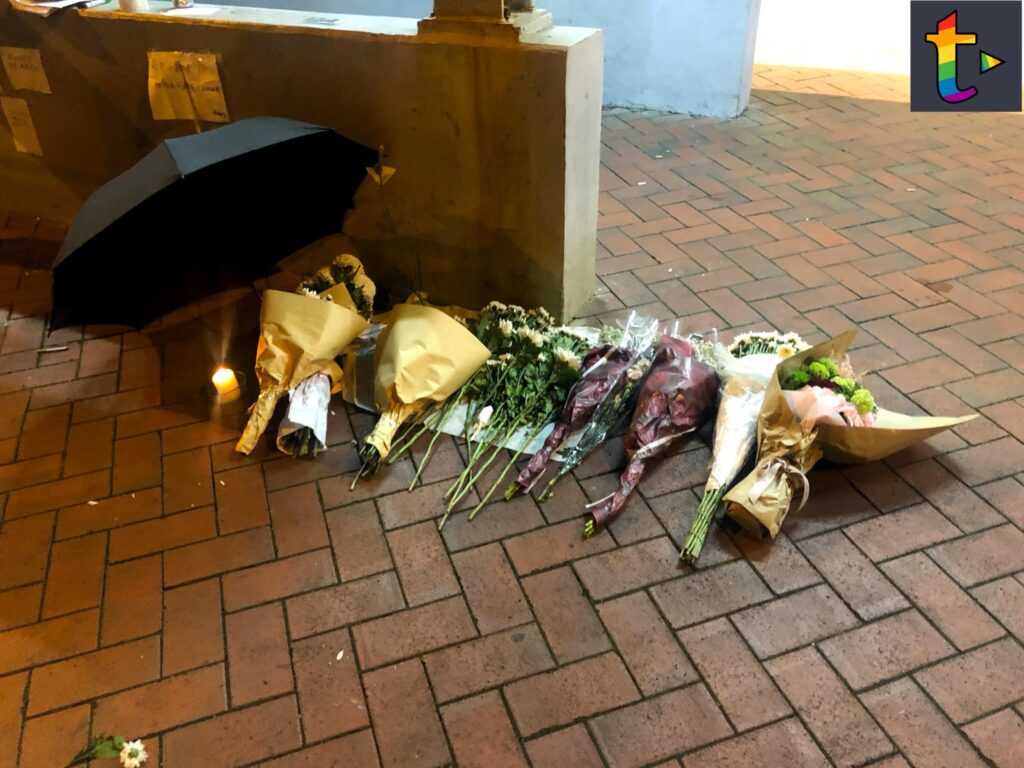
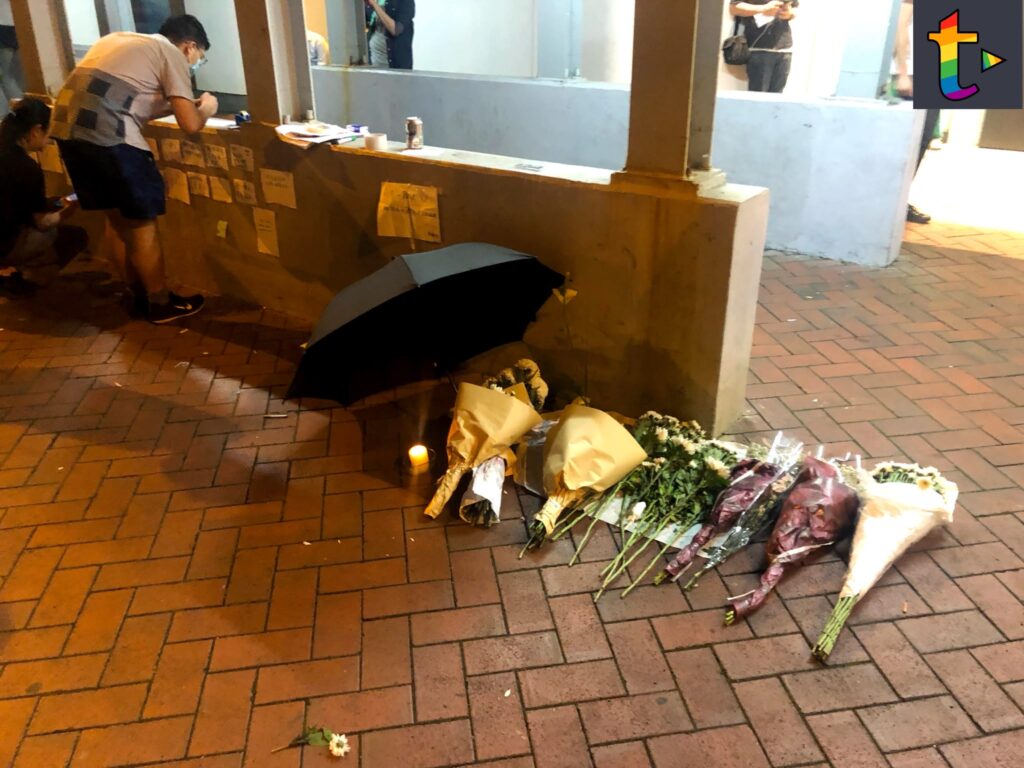
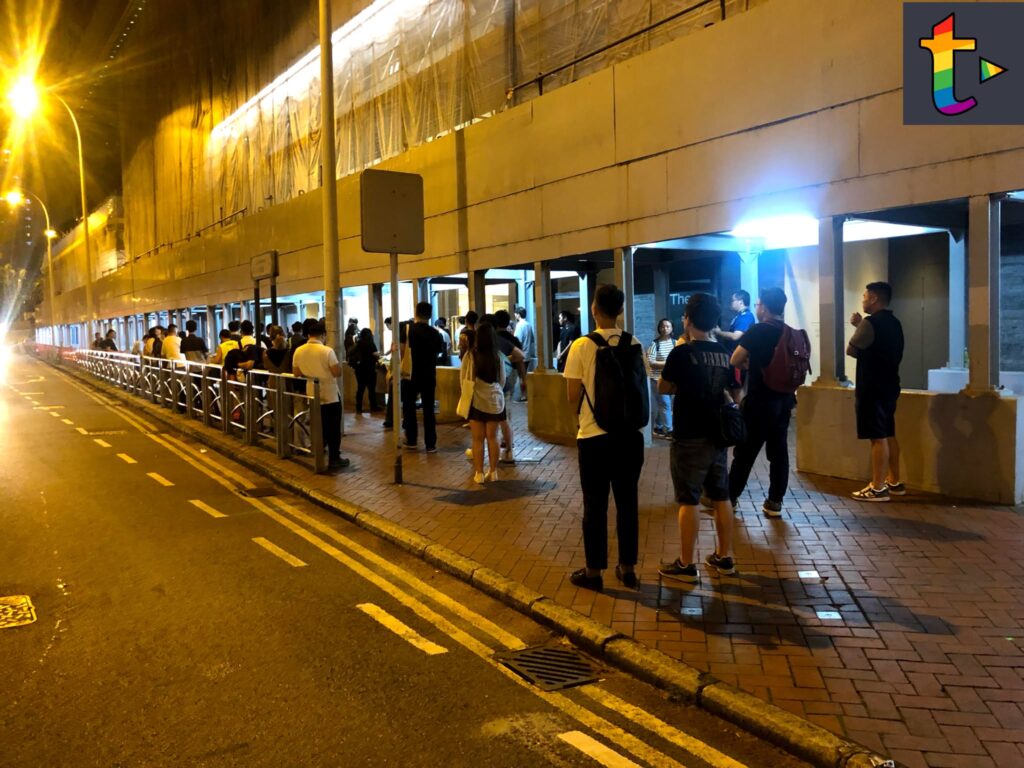
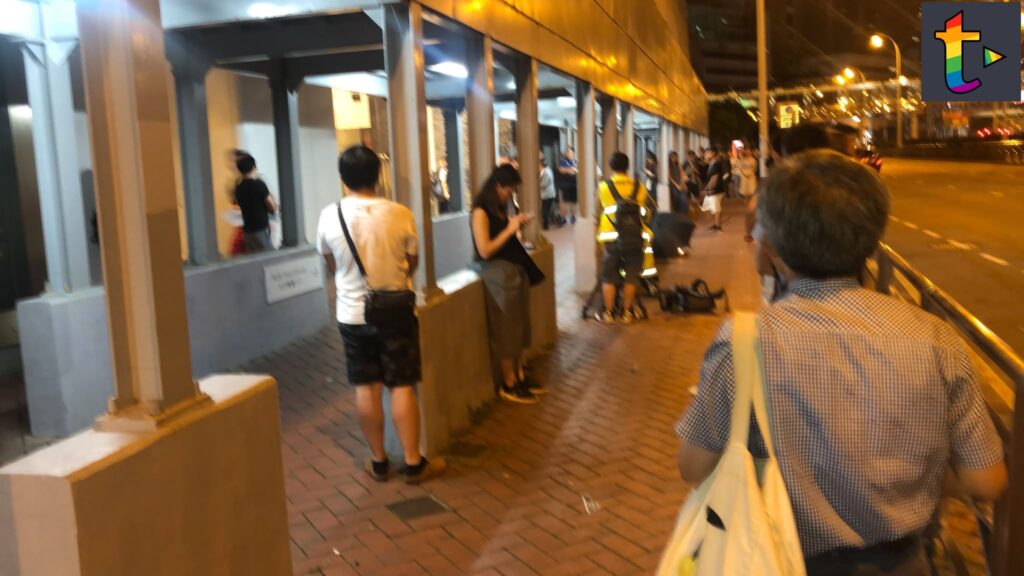
HONG KONG | June 15, 2026 — On this solemn date, the seventh anniversary of the tragic passing of Marco Leung Ling-kit, the inaugural martyr of Hong Kong’s 2019 anti-extradition bill movement, Admiralty once again became the theatre of a poignant contest between collective memory and state power. Throughout the day, an imposing police presence enveloped Pacific Place—the very locus of Leung’s fall—transforming a site of mourning into a tableau of surveillance. Plainclothes officers, as discreet as they were ubiquitous, patrolled the flower beds with unwavering vigilance. As dusk descended and the rain abated, discreet clusters of citizens ventured forth to pay homage, only to be met with interception and meticulous searches by the authorities.
The Vigil: An Intimate Act Rendered Subversive
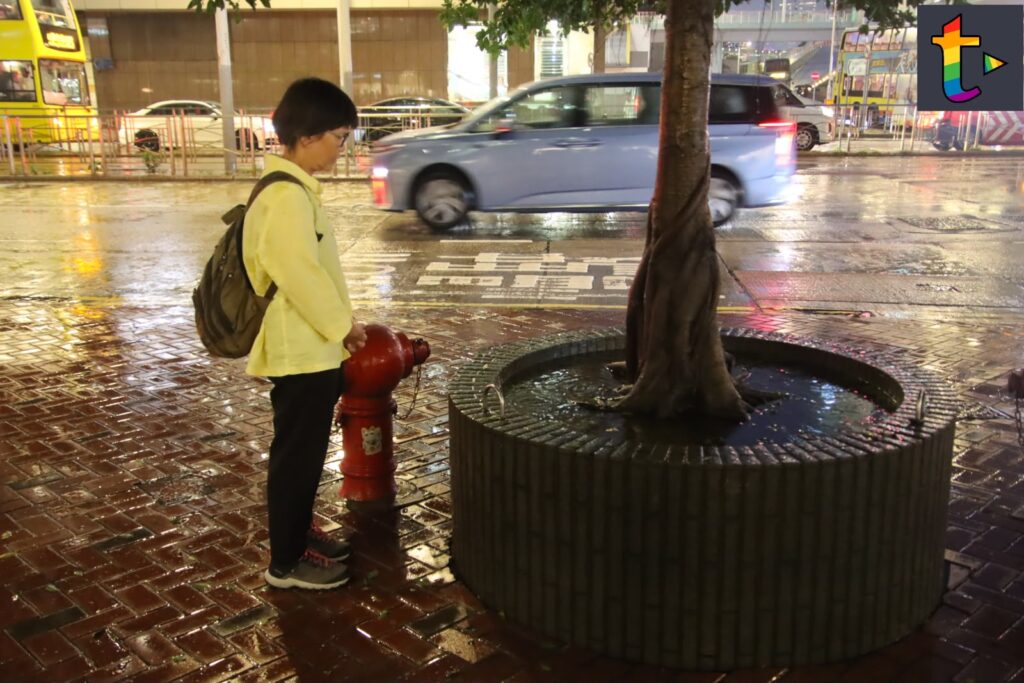
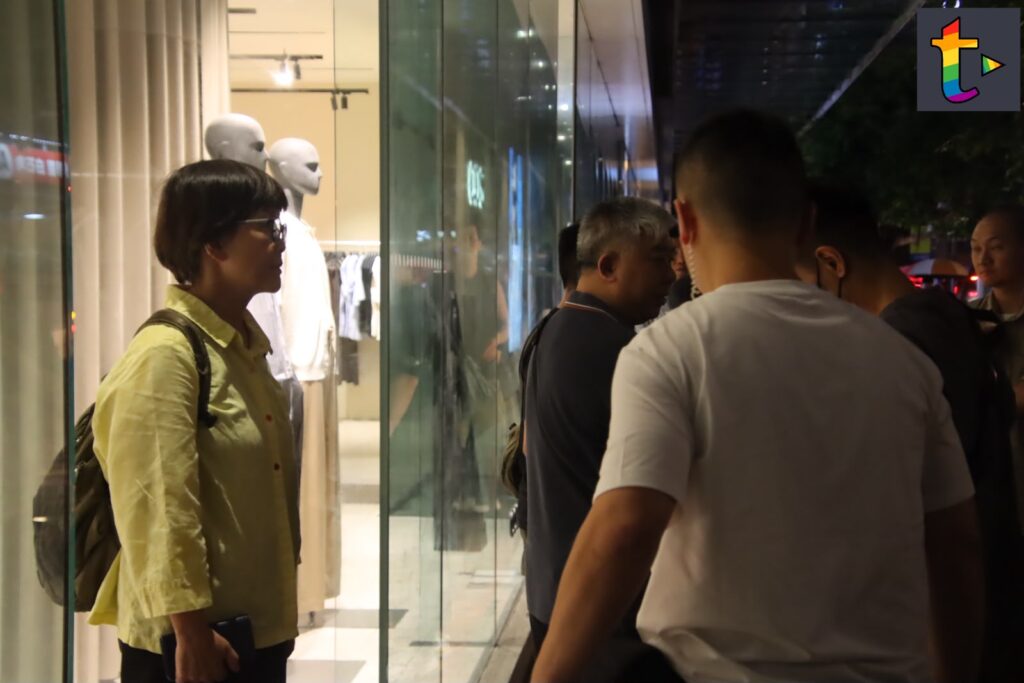
Among the first to arrive was Dr. Lee Ying-chi, a dental surgeon whose silent homage was short-lived. She was promptly approached, her identity card scrutinised before being permitted to depart. The air was thick with tension, as even veteran activist Lui Yuk-lin, reciting the Great Compassion Mantra as she circumnavigated the floral tributes, found herself observed with suspicion.
At 6:00 PM, a gentleman attired in a sombre blue shirt, his backpack adorned with an emblem of the Hong Kong Journalists Association reading “Against the Wind” (逆風而行), performed a modest bow before the flower bed. His gesture did not escape the authorities’ attention: subject to a protracted search, he wryly remarked, “I’m just passing by, nothing special,” while recounting an officer’s words—“We need to search you; today is sensitive.”
The Expansion of Legal Ambiguity
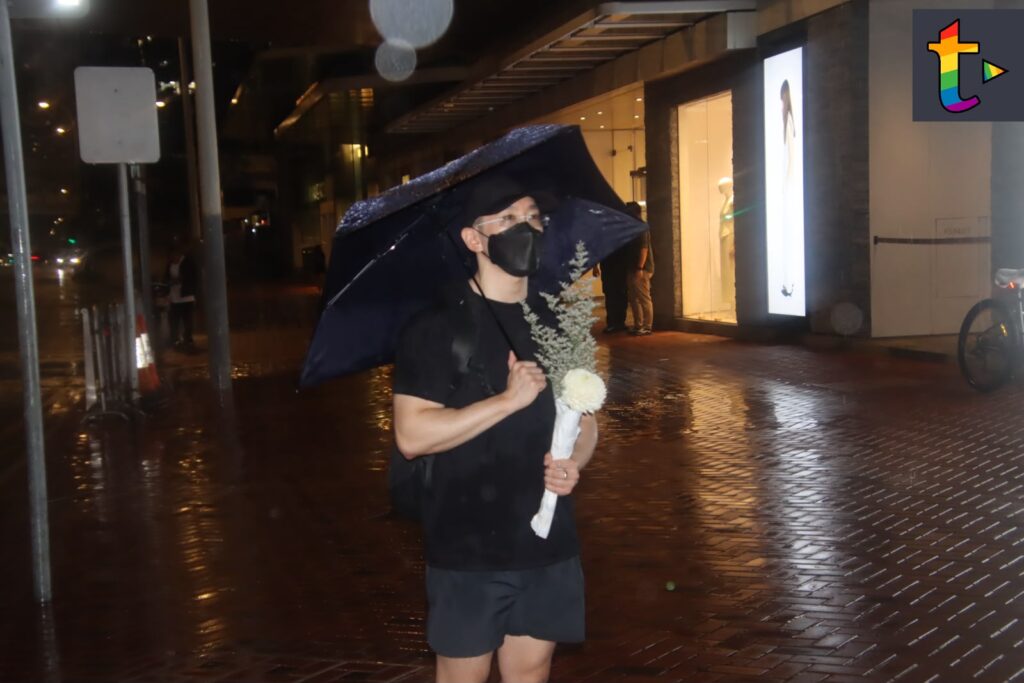
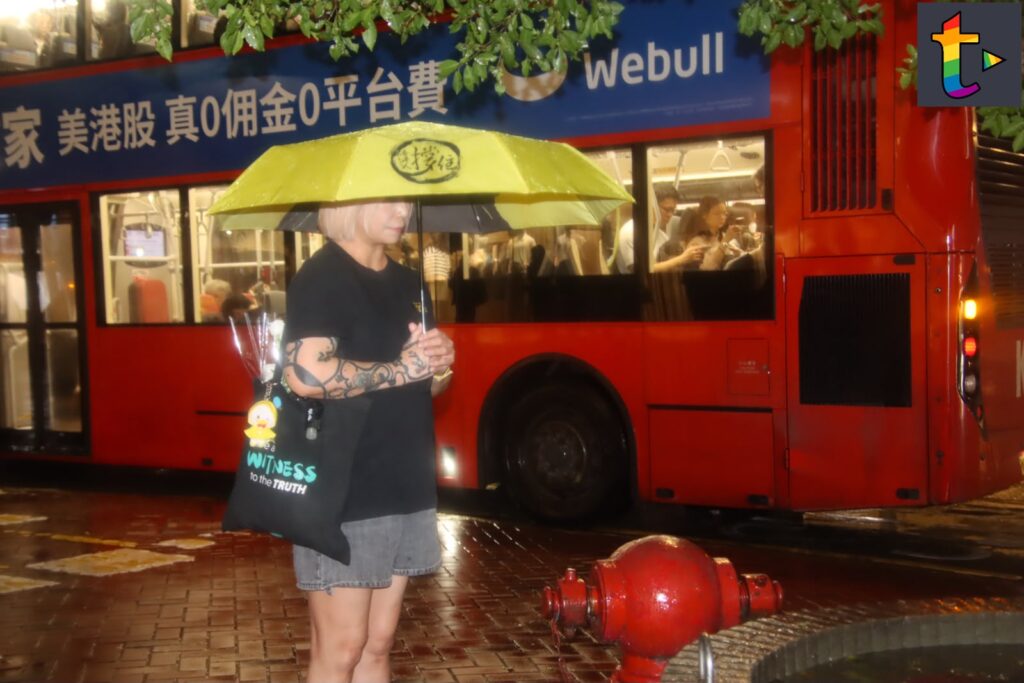
At 7:48 PM, a man known as “Brian,” a fixture at annual memorials, was intercepted bearing white flowers. Police cautioned him that his actions might constitute a violation of the National Security Law (NSL), specifically “inciting hatred against the Special Administrative Region or the Chinese government.” Following his release, Brian sought to lay his floral tribute, only to be repeatedly threatened with prosecution for littering. “If Mr. Leung is looking down, I don’t think he would be happy. I hope one day he can truly rest in peace, but until then, I want him to see that people still remember him,” Brian reflected, his persistence a quiet act of defiance.
Historical Retrospective: The Genesis of a Movement
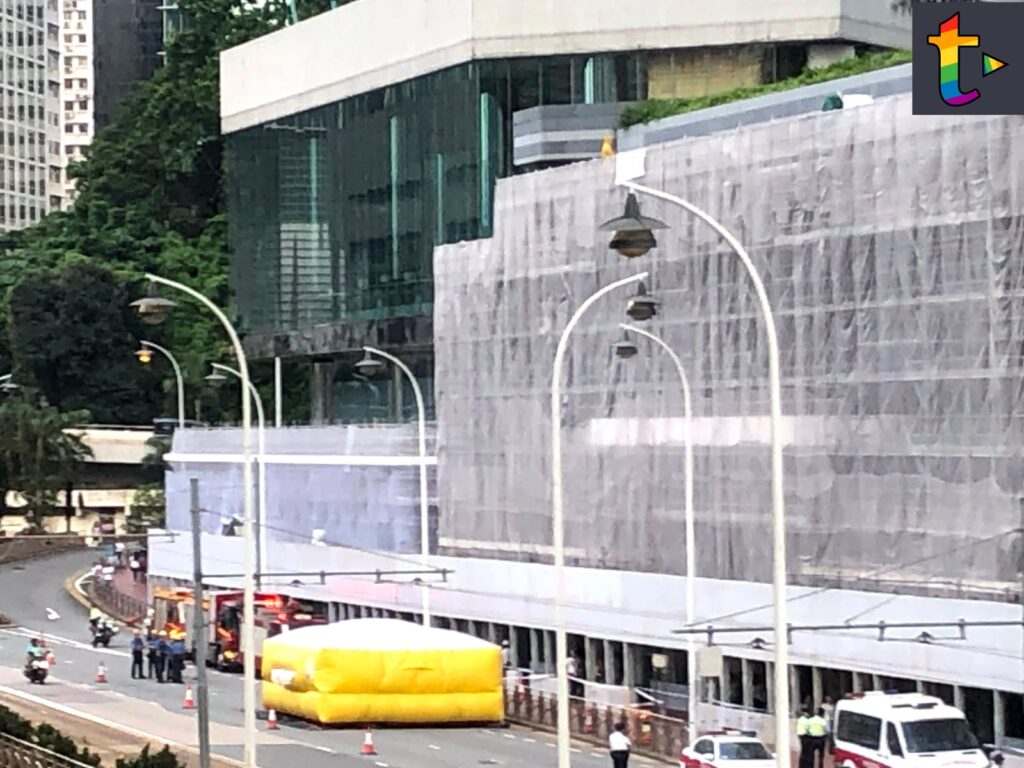
To comprehend the charged atmosphere of Admiralty in 2026, one must revisit the sweltering afternoon of June 15, 2019—a day that irrevocably altered the emotional and political trajectory of Hong Kong.
The Standfall at Pacific Place
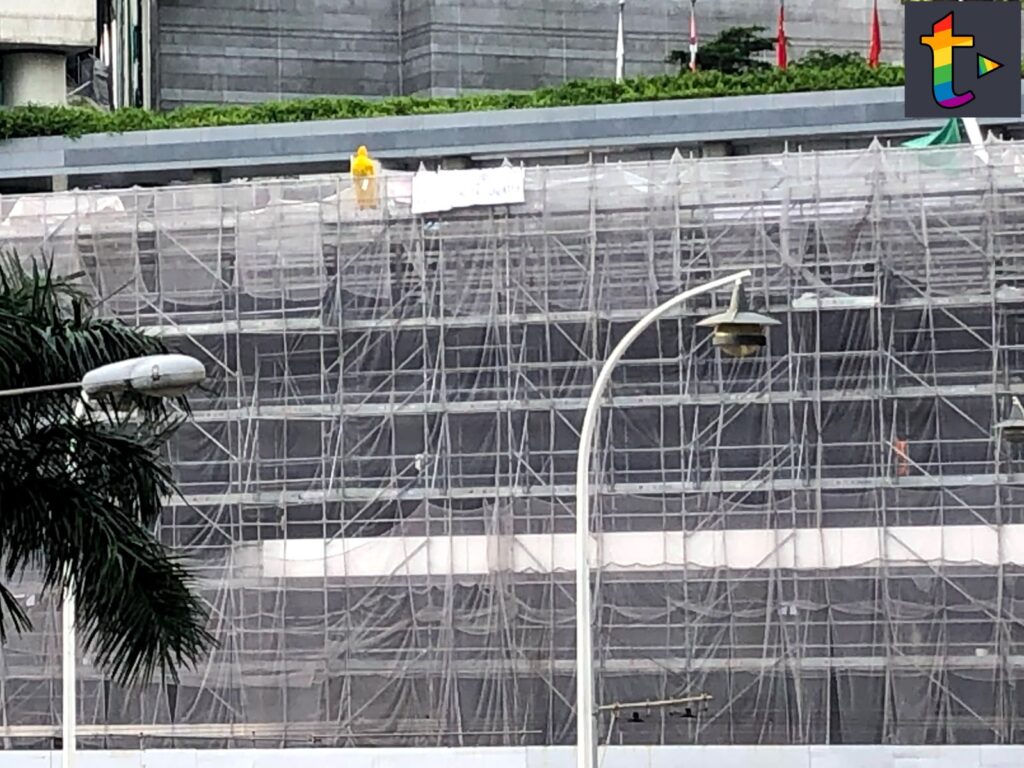
At approximately 4:00 PM, Marco Leung Ling-kit, aged 35, ascended the fourth-floor maintenance scaffolding of Pacific Place, his yellow raincoat glowing like a beacon above Queensway. The raincoat, immortalised in countless images, became the movement’s enduring symbol. Unfurling a great white banner emblazoned with five demands, Leung articulated the aspirations and grievances of a city on edge:
- “Full withdrawal of the extradition bill”
- “We are not rioters”
- “Release the students and the injured”
- “Carrie Lam step down”
- “Help Hong Kong”
For over five harrowing hours, Leung perched on the precipice as negotiators and lawmakers, including Roy Kwong, pleaded for his descent. Below, an anxious multitude gathered, their hymns and exhortations mingling with the humid air. The suspense was excruciating; the prayers unceasing.
The Tragedy Unfolds
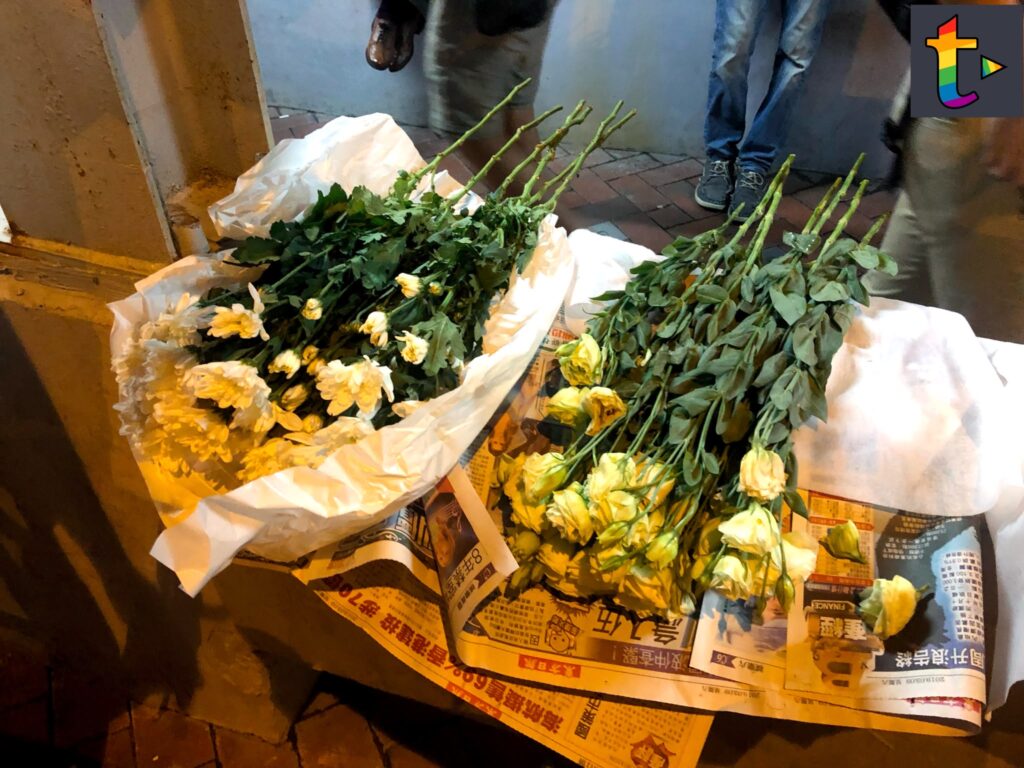
Shortly after 9:00 PM, Leung, in an act both desperate and resolute, climbed over the railing. Despite frantic efforts by firefighters, he plummeted from the ledge, missing the safety cushion. He was rushed to Queen Mary Hospital, but succumbed to his injuries that night. His fall occurred mere hours after Chief Executive Carrie Lam had announced a “suspension”—not withdrawal—of the extradition bill, a semantic equivocation that Leung’s banner had pre-empted. By dawn, Leung’s sacrifice had become the rallying “plus one” in the historic march of June 16, 2019, when over two million citizens flooded Hong Kong’s streets in monolithic grief and protest.
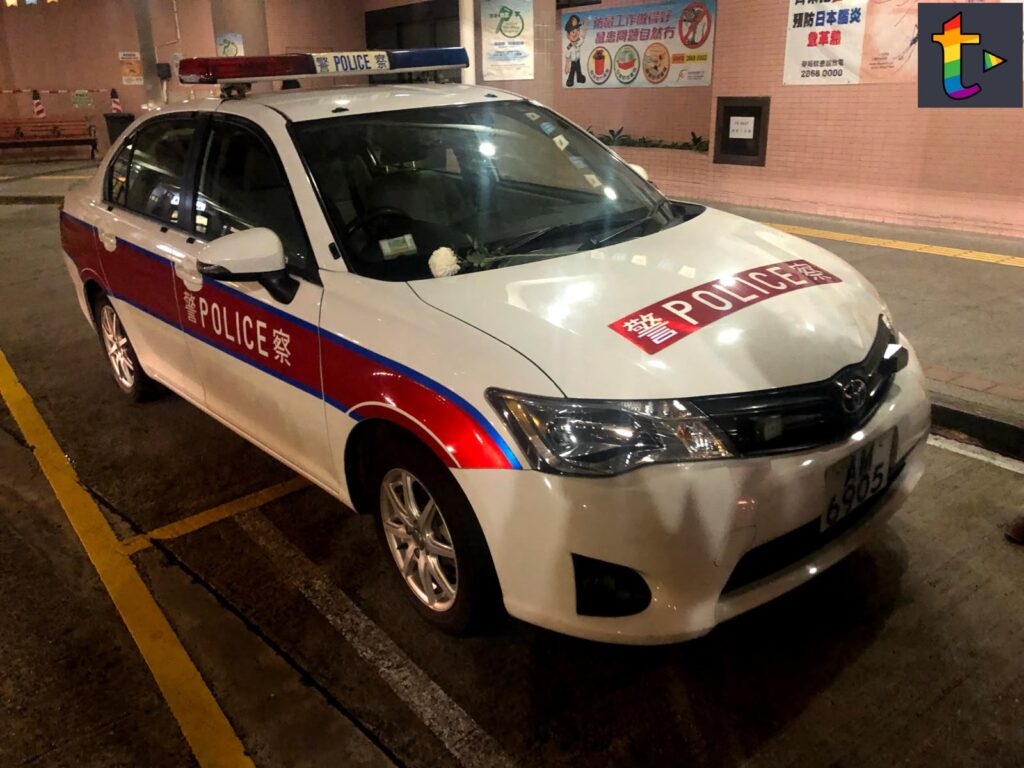
Analysis: The Securitisation of Memory and the Politics of Remembrance
1. The Criminalisation of Private Mourning
What in most polities would constitute a private act of bereavement has, in contemporary Hong Kong, been transmuted into a security issue. The authorities’ deployment of anti-littering statutes to prevent the ceremonial laying of flowers, coupled with warnings of “sedition” under the National Security Law, bespeaks a regime of zero tolerance toward any evocation of 2019’s spirit.
2. The Elasticity of “Sedition”
The caution issued to “Brian”—that the mere bearing of white flowers could amount to “inciting hatred”—exemplifies the malleability of sedition charges in the post-Article 23 era. The deliberate ambiguity serves as a tool of psychological governance: citizens are left perpetually uncertain as to where the boundaries of legality lie, inducing a climate of pre-emptive self-censorship.
3. Iconography and the Erasure of Symbolism
The authorities’ scrutiny of sartorial choices—yellow raincoats, shirts inscribed with “Stay Sober”—attests to a heightened sensitivity to the semiotics of resistance. The “Yellow Raincoat” has become not merely an article of clothing, but an existential signifier of defiance, one the state is determined to expunge from Admiralty’s collective memory.
4. The Moral Imperative of Remembrance
Brian’s words—“Leave what is to come to those who are still living”—capture the psychological burden borne by the survivors of 2019. In a city where official historiography now extols “the restoration of order,” the simple act of standing vigil at Pacific Place becomes a fraught assertion of the “right to remember.” For these individuals, remembrance is not mere nostalgia, but a moral imperative—a final line of defence against the obliteration of history.
5. The International Dimension: The United Kingdom’s Residual Responsibility
As these scenes play out in 2026, the international gaze, especially that of the United Kingdom, remains fixed upon Hong Kong. The BNO visa programme has offered a lifeline to some, yet for those who remain, the reality is one in which even silent prayer falls within the purview of state scrutiny. Critics contend that the UK’s obligations under the Sino-British Joint Declaration are far from discharged, for the rights promised—freedom of expression, assembly, and conscience—now exist largely in the private recesses of the mind, not the public square.
Extended Analysis: The Evolution of State Tactics and the Memory Wars
The State’s Dialectic: From Suppression to Absorption
In the immediate aftermath of 2019, the state’s approach was one of overt suppression: riot police, batons, and tear gas. By 2026, the tactics have become more insidious—pervasive surveillance, legalistic intimidation, and the weaponisation of ambiguity. The transformation is not merely operational but epistemological: the regime seeks not only to quell dissent, but to rewrite the narrative itself, absorbing and neutralising the very symbols that once embodied resistance.
The Role of Memory in the Struggle for Civic Identity
In this climate, the contest over memory acquires existential stakes. The battle is not simply for the streets, but for the soul of the city and its conception of itself. The policing of remembrance is an attempt to sever the intergenerational transmission of dissent, to render the past inaccessible except as state-approved myth. Yet every intercepted mourner, every whispered mantra, constitutes an act of resistance—a refusal to cede the terrain of history.
The Endurance of Symbolic Acts
Despite the omnipresence of surveillance, the persistence of Hong Kong’s citizens in commemorating Marco Leung underscores an irrepressible yearning for dignity and agency. In a landscape deprived of mass gatherings, the significance of private rituals is magnified. A single flower, a silent bow, a memory passed in hushed tones—these become the battlegrounds of meaning, the site where the future of Hong Kong’s identity is contested.
Conclusion
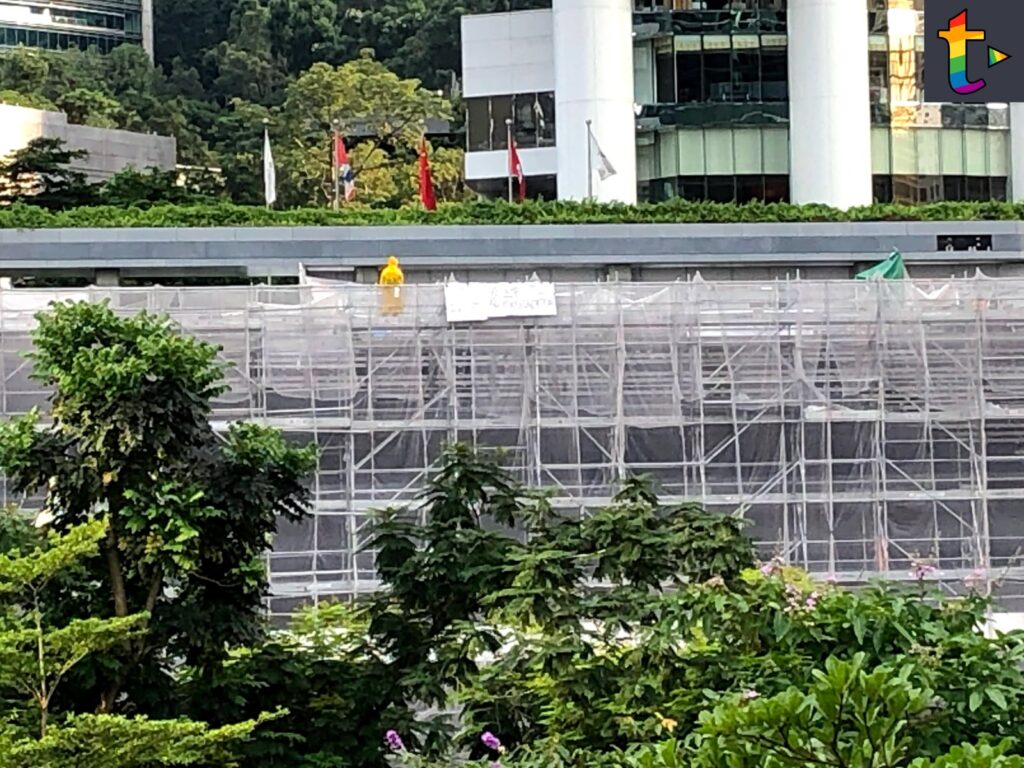
The seventh anniversary of June 15 stands as a testament to the indomitable spirit of remembrance. The streets of Admiralty may be devoid of tumult, but they are saturated with an invisible pressure—an unspoken contest between amnesia and fidelity. In the end, the state’s campaign to extinguish memory only affirms its potency. For so long as there are those who remember, the story of Marco Leung—and of Hong Kong’s struggle for dignity—remains defiantly alive.