 TChannelHK
June 16, 2026
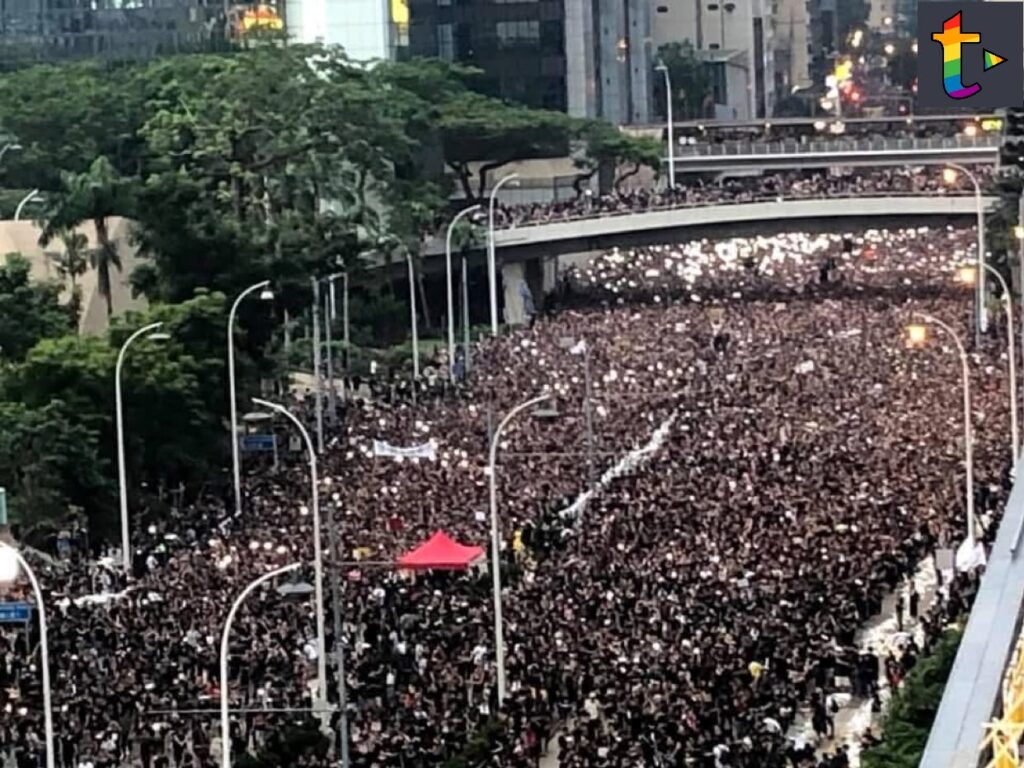
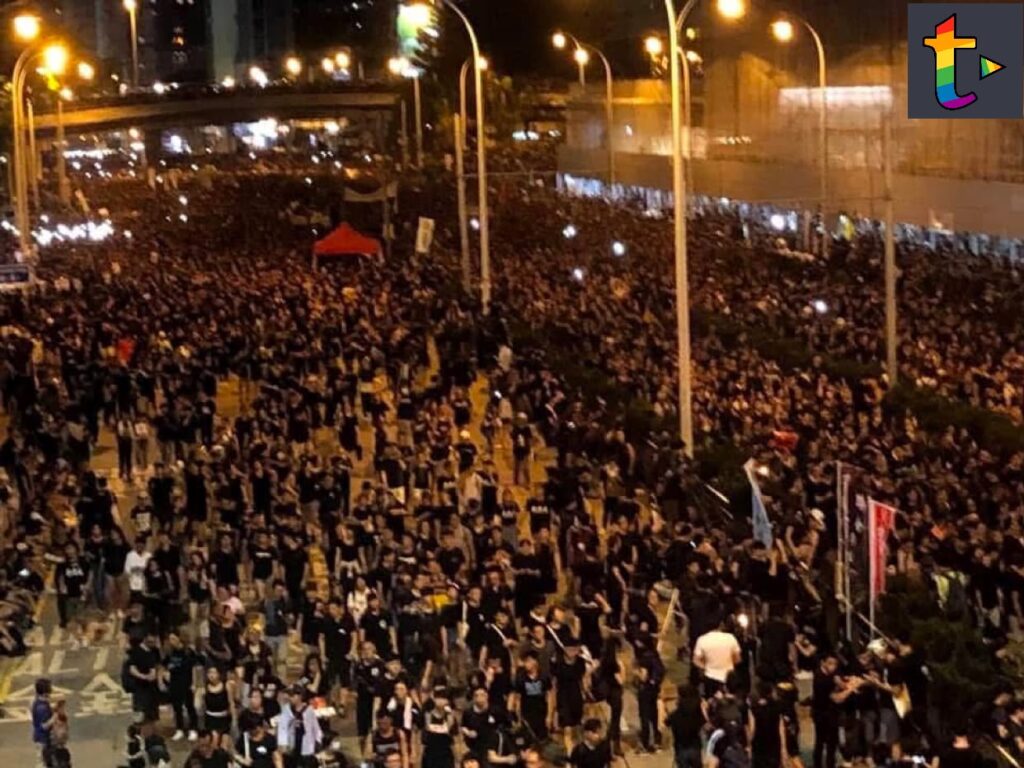
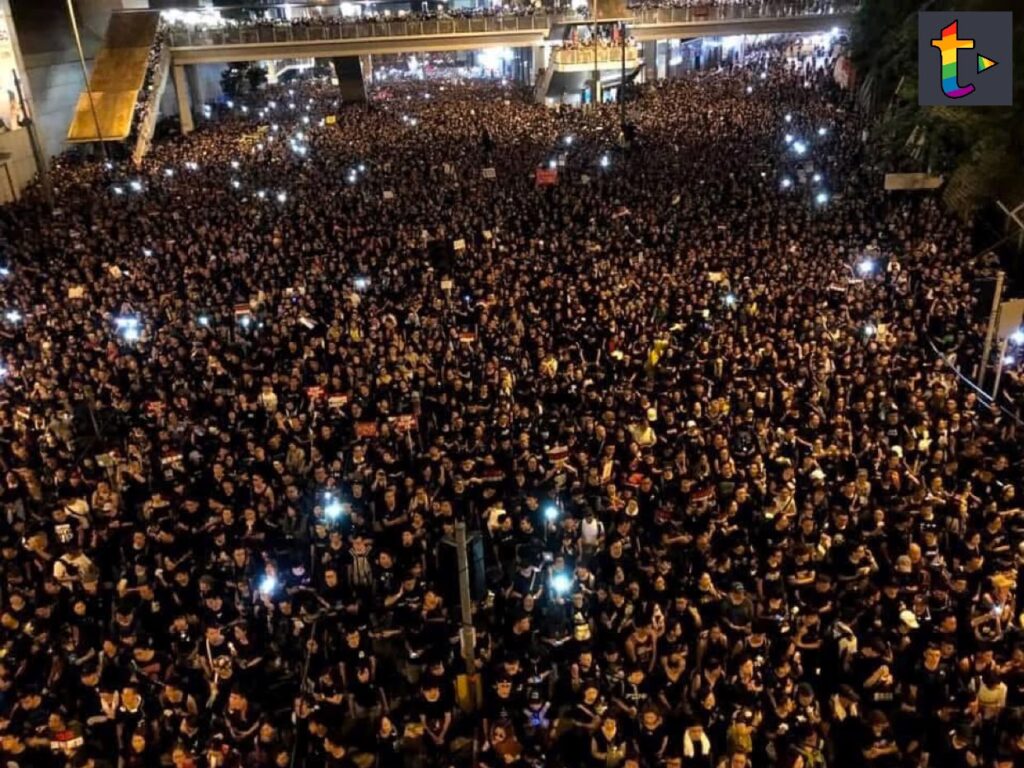
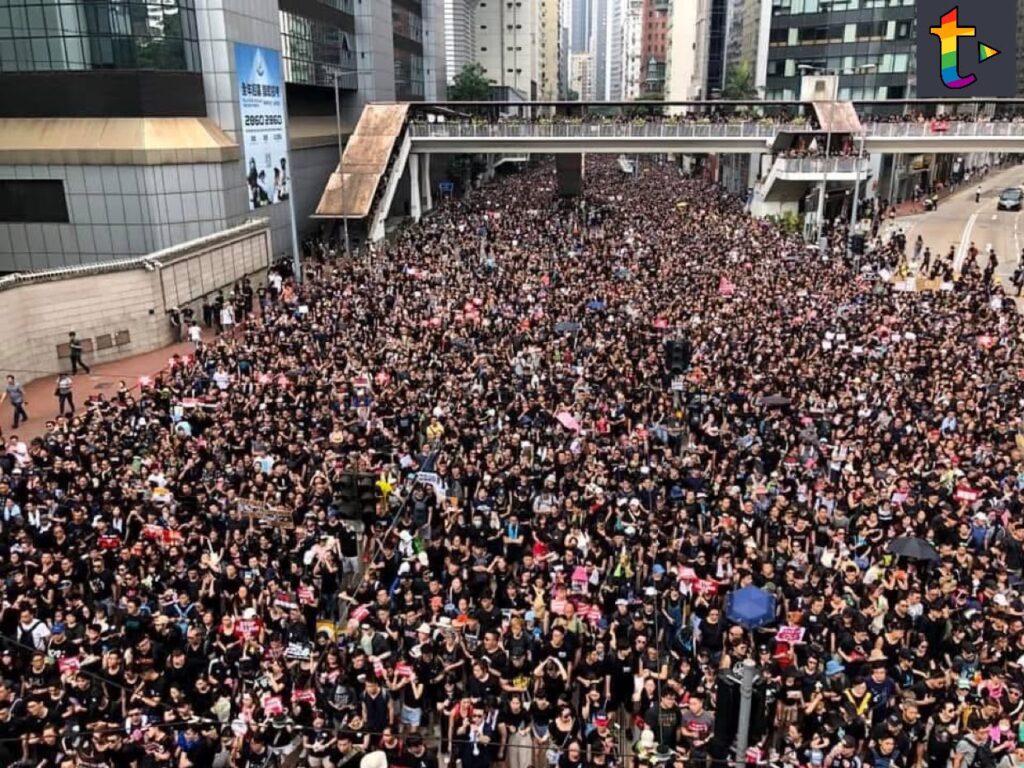
Seven years ago today, on June 16, 2019, the world watched as nearly two million Hong Kongers—almost a third of the city’s population—flooded the streets in an unprecedented act of civil resistance. The march was not just a display of solidarity, but a living lesson in the necessity of rule of law, the fragility of democratic freedoms, and the enduring consequences of political compromise. Today, as we reflect on the legacy of that day, the lessons for Western democracies are more urgent than ever.
The Tragedy that Sparked a Tide
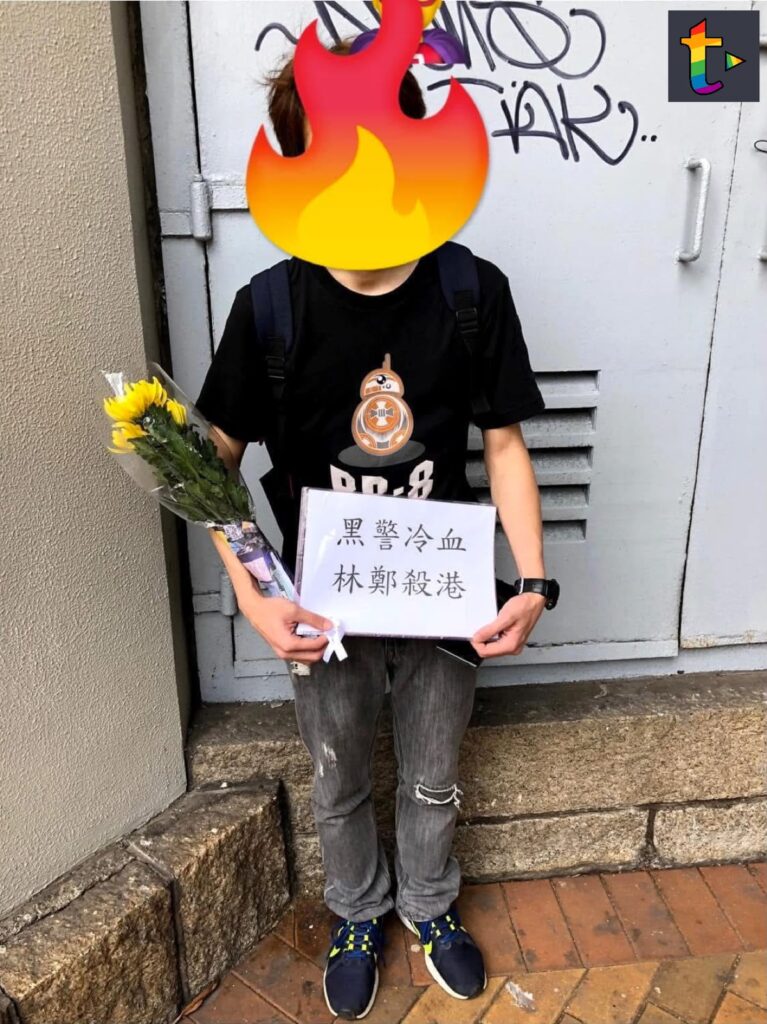
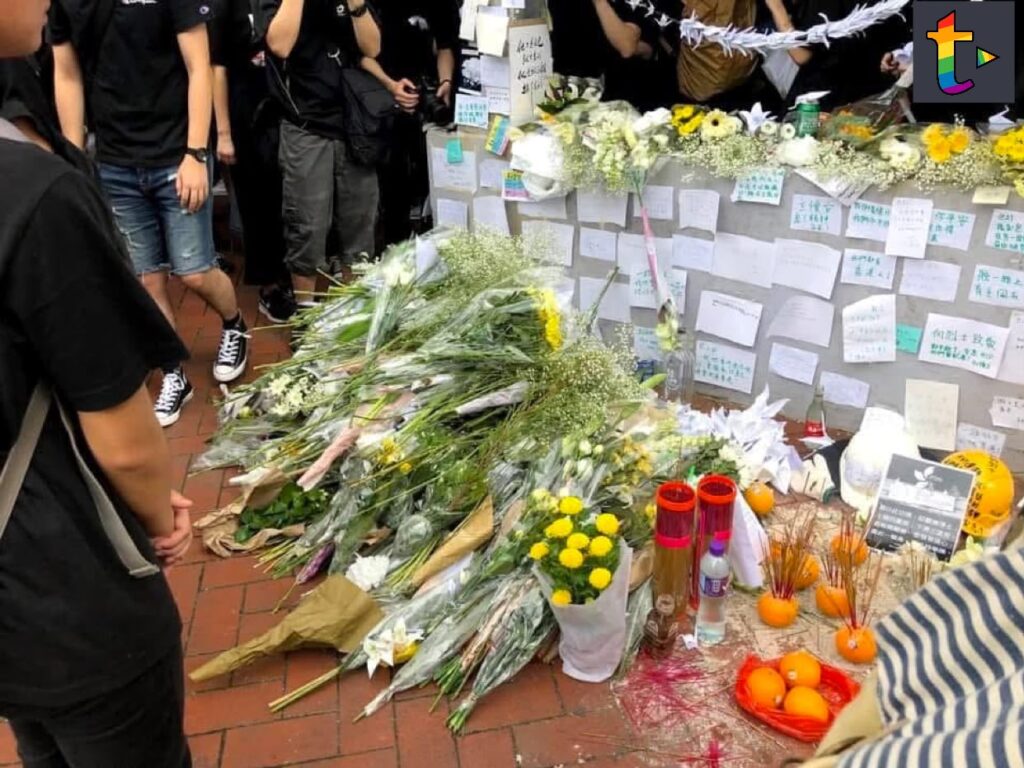
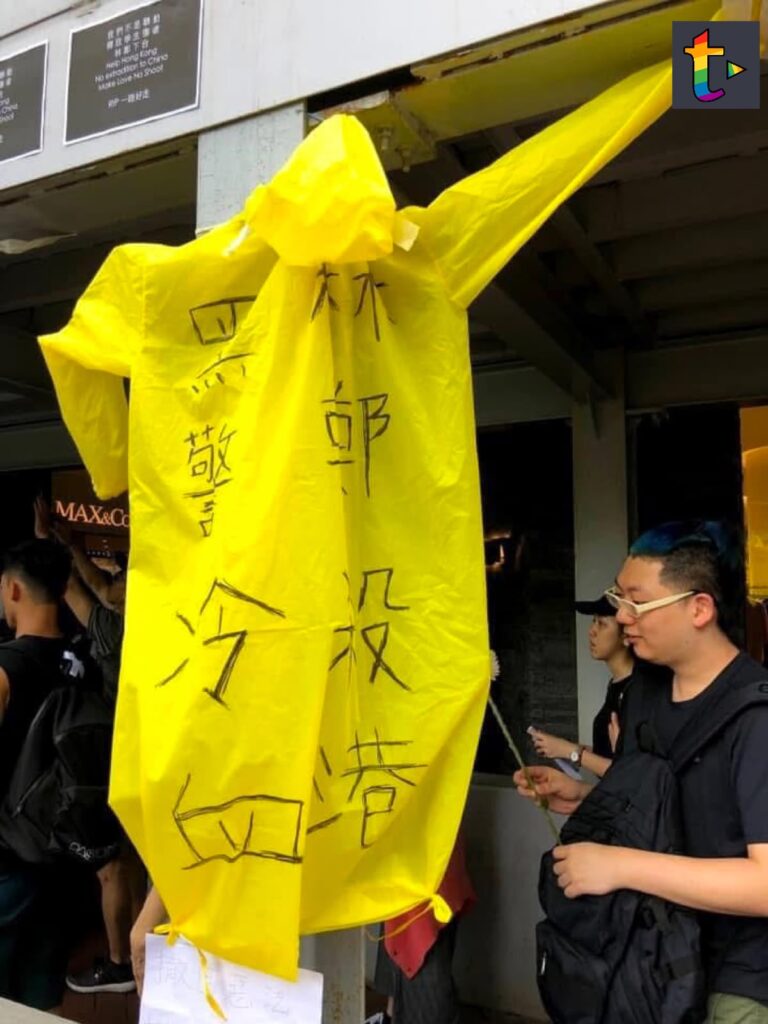
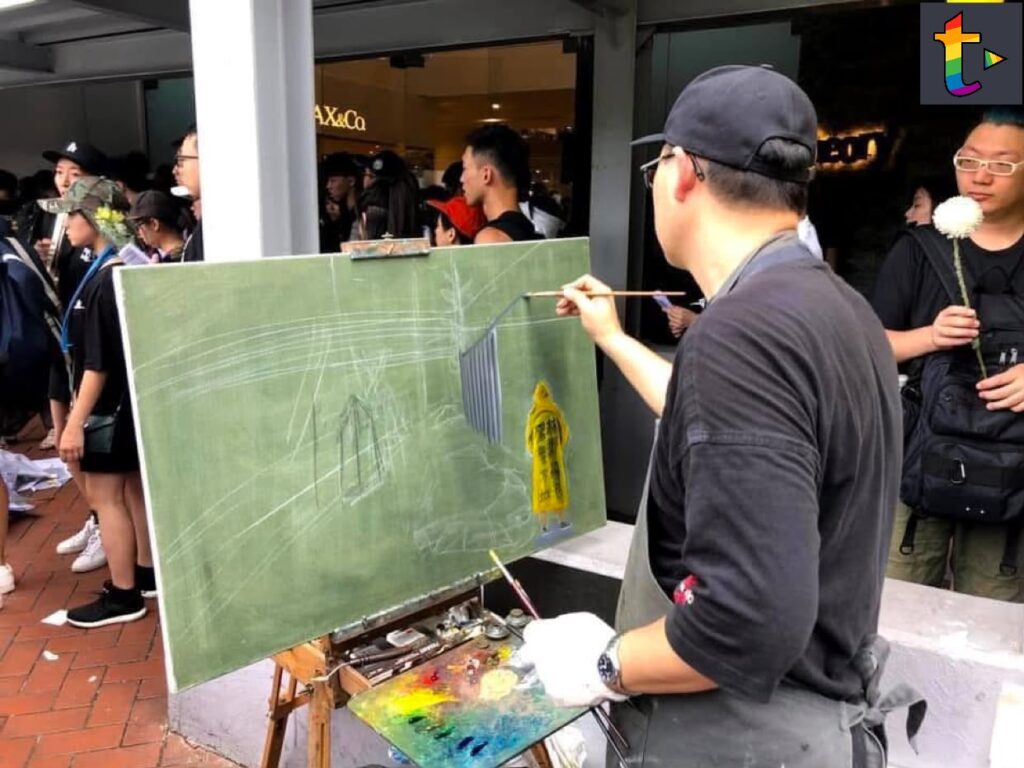
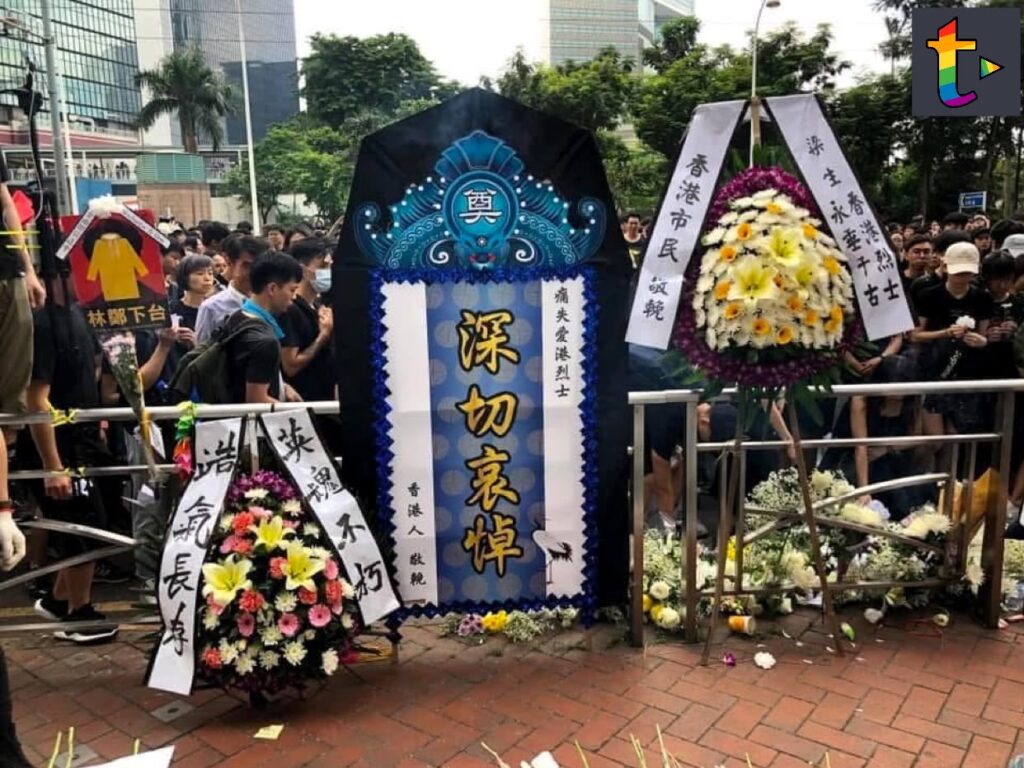
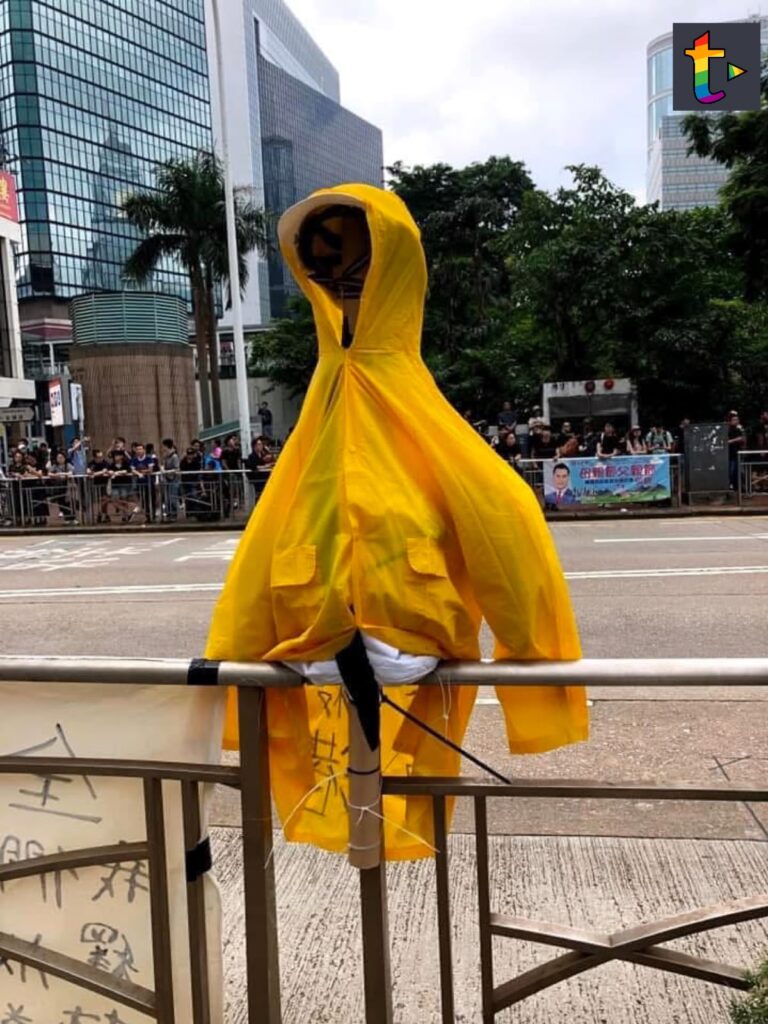
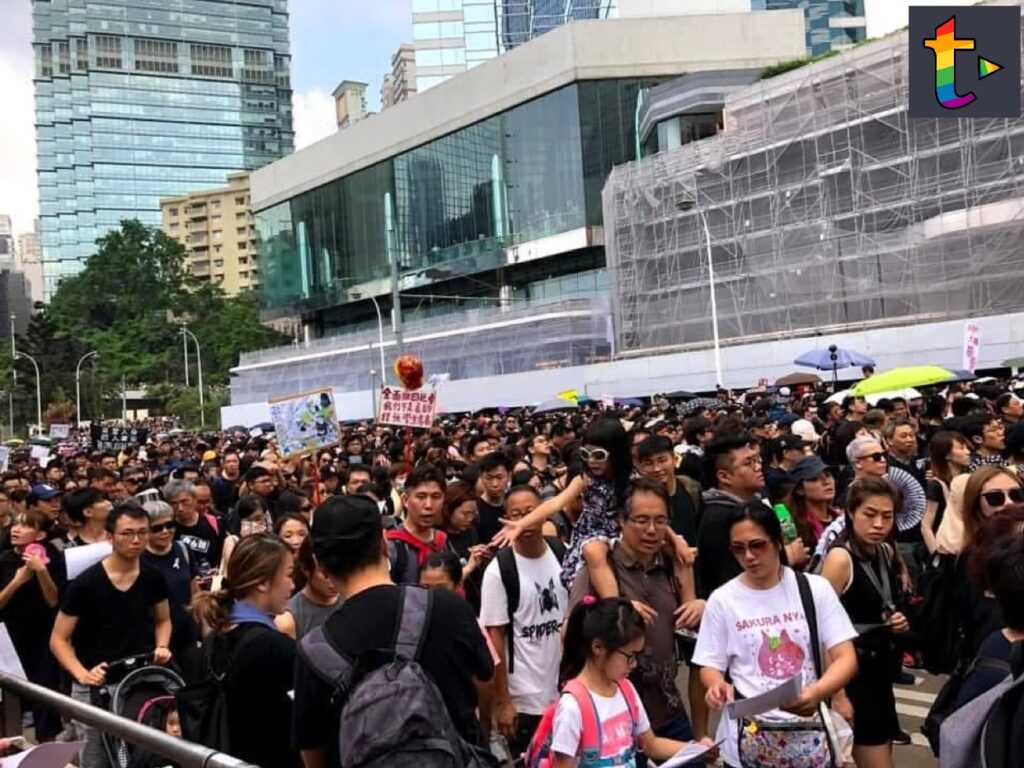
The immediate catalyst for the march was the tragic death of Marco Leung Ling-kit, who, draped in a yellow raincoat, became the first martyr of the movement. His protest against the extradition bill—legislation that threatened to expose Hong Kongers to the opaque and ruthless legal system of mainland China—galvanized a city already fearful for its future. The next morning, Hong Kong was transformed: black-clad citizens, clutching white flowers, marched in solemn defiance.
A City Stretched to the Limit
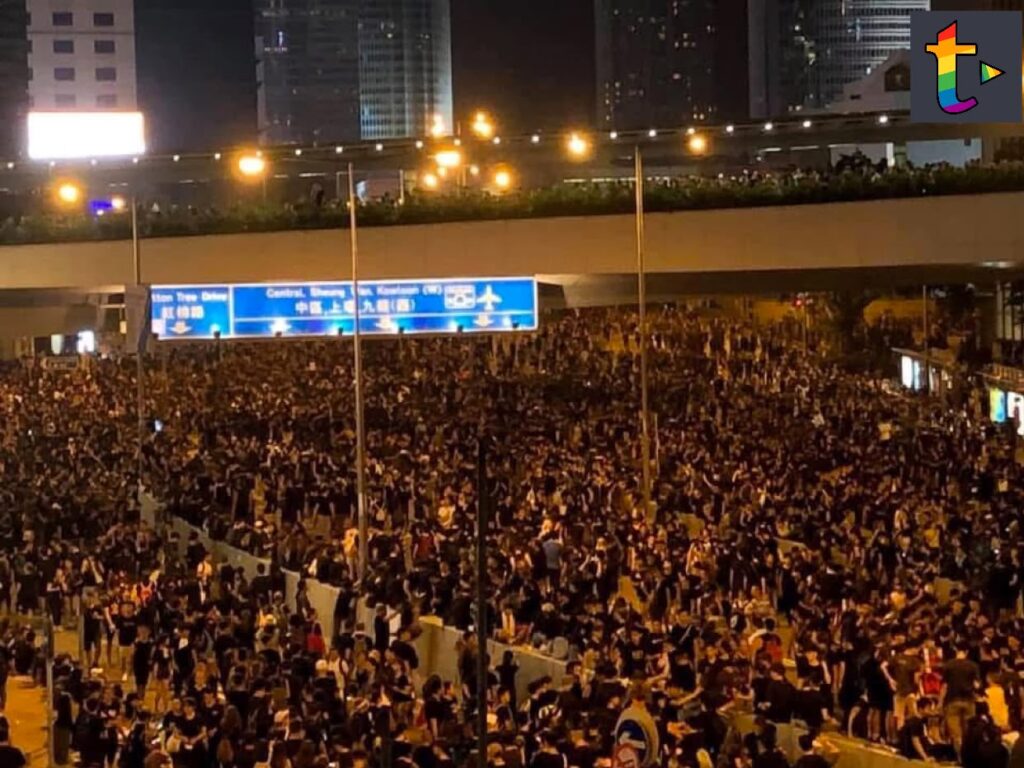
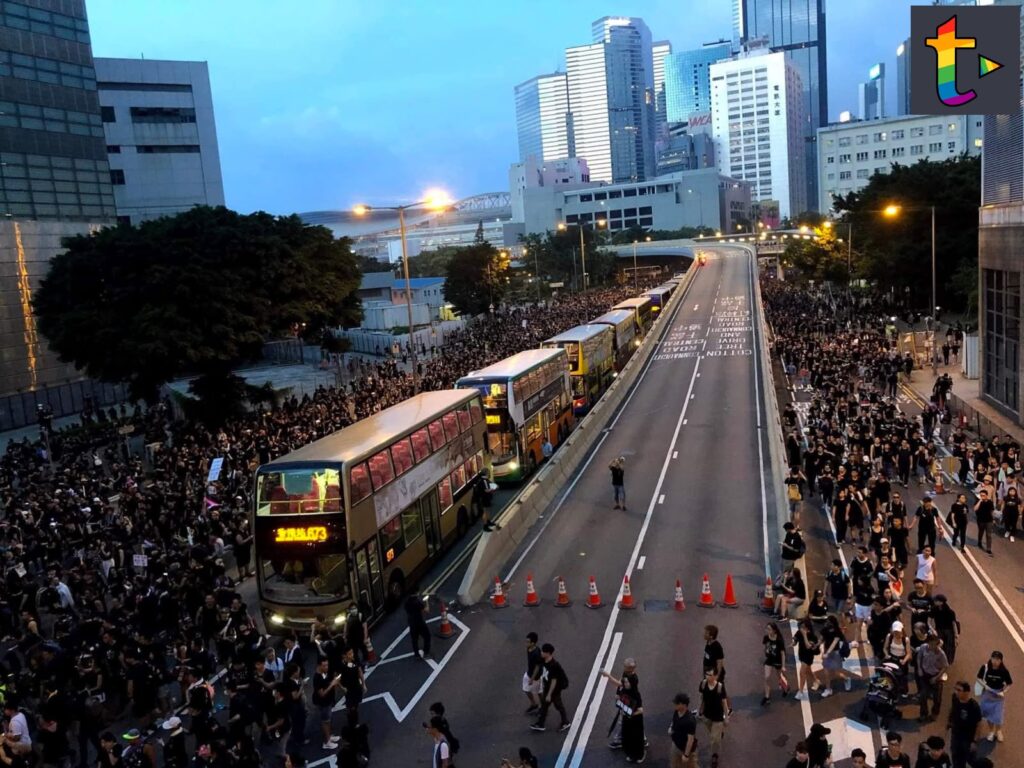
The scale of the march remains staggering in retrospect. The human river stretched miles from Victoria Park to the Government Headquarters, flowing with patience and discipline rarely seen in such mass mobilizations. The world watched as Hong Kongers parted for ambulances, cleaned up after themselves, and stood for hours under the blazing summer sun—all in the name of defending something invisible and precious: the rule of law.
The Rule of Law: Lessons Written in History
The Hong Kong march was not just about a single law. It was about the foundational principle that no one—neither government nor citizen—is above the law. The collapse of this principle has, throughout history, marked the end of free societies.
Consider the Weimar Republic, where the slow erosion of legal norms enabled the rise of Nazi Germany. Or Chile in 1973, when the disregard for constitutional process led to years of brutal dictatorship. In both cases, the warning signs were ignored until it was too late.
Even in the United States, the Watergate scandal of the 1970s highlighted how the abuse of executive power could endanger democratic institutions. Only the resilience of the rule of law—an independent judiciary and a free press—preserved American democracy through that crisis. Societies that allow the government to circumvent or rewrite laws for political expediency inevitably pay a heavy price.
Hong Kong’s experience since 2019 is a case study in what happens when rule of law is replaced by rule by law. Today, the city’s courts are filled with political prisoners, and the National Security Law has enabled arbitrary detentions, secret trials, and the criminalization of peaceful assembly. Journalists are jailed or exiled. Public commemorations of June 16 are suppressed by police. Even the textbooks have been rewritten.
Realistic Examples of Lost Freedoms in Hong Kong
- Dismantling of the Free Press: Once home to Asia’s most vibrant media scene, Hong Kong newspapers like Apple Daily and Stand News have been forcibly closed, their editors imprisoned or driven into exile. Remaining outlets practice self-censorship out of fear.
- Criminalization of Speech: Activists, teachers, and even students have been prosecuted for social media posts or classroom discussions deemed “seditious.” The mere possession of pro-democracy literature can now trigger a police raid.
- Destruction of Civic Participation: District councils, once freely elected, have been gutted and replaced by government loyalists. Protest organizers face life sentences. Public gatherings are banned under the guise of national security or pandemic control.
- Judicial Erosion: Judges are now vetted for “patriotism” and political loyalty. The line between independent adjudication and government mandate has been erased, undermining confidence in fair trials.
The result is a city where fear and silence have replaced the vibrant, pluralistic debate of the past. Hong Kongers must now weigh every word and action, never sure what might be retroactively declared a crime.
Why the West Cannot Look Away
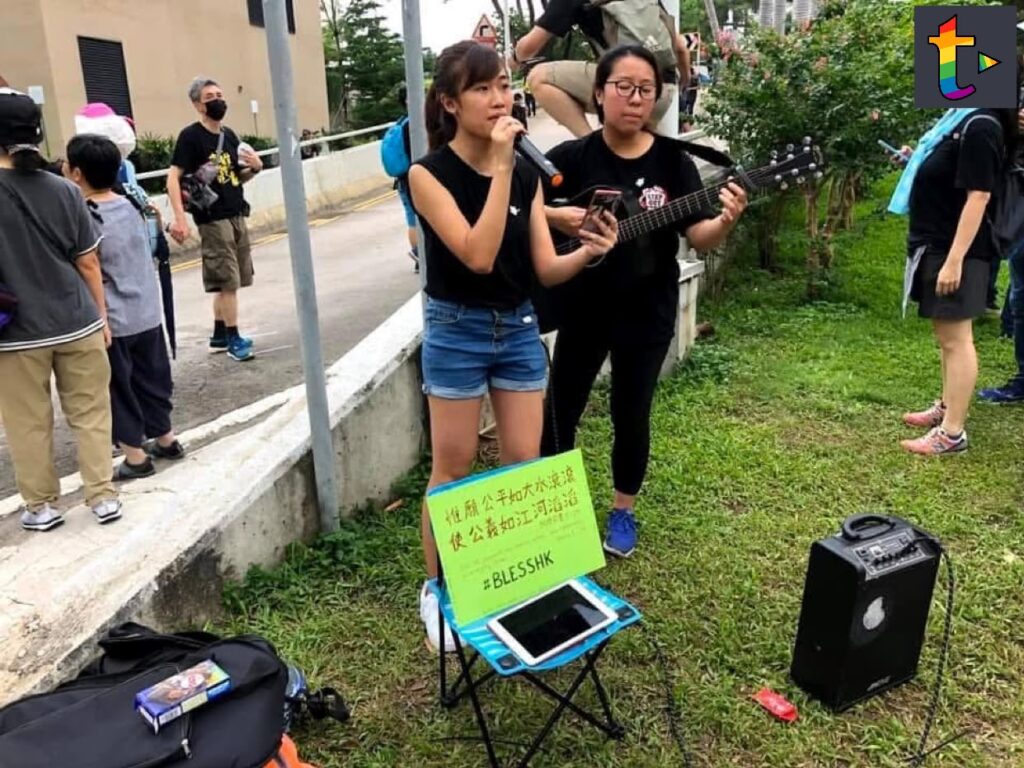
The Lessons for Democracies
Hong Kong’s fate is a warning to all societies that take their freedoms for granted. The story is not unique: from Hungary’s creeping authoritarianism to the erosion of judicial independence in Poland, the rule of law is under pressure even in Europe. The difference is that in Hong Kong, the collapse was swift and total.
The city’s downfall also serves as a cautionary tale about the power of digital propaganda. Platforms like TikTok, with their algorithmic curation, can erase inconvenient truths and rewrite history in real time. This “digital amnesia” makes it easier for autocrats to justify repression and for foreign audiences to forget.
Why Did the UK Sacrifice Hong Kong?
The uncomfortable reality, rarely spoken out loud, is that Hong Kong’s predicament is not solely the result of Beijing’s ambition. The United Kingdom, which ruled Hong Kong for over 150 years, did not grant its colony meaningful self-determination before the 1997 handover. The Sino-British Joint Declaration promised “one country, two systems,” but London did not secure robust enforcement mechanisms or citizenship rights for Hong Kongers.
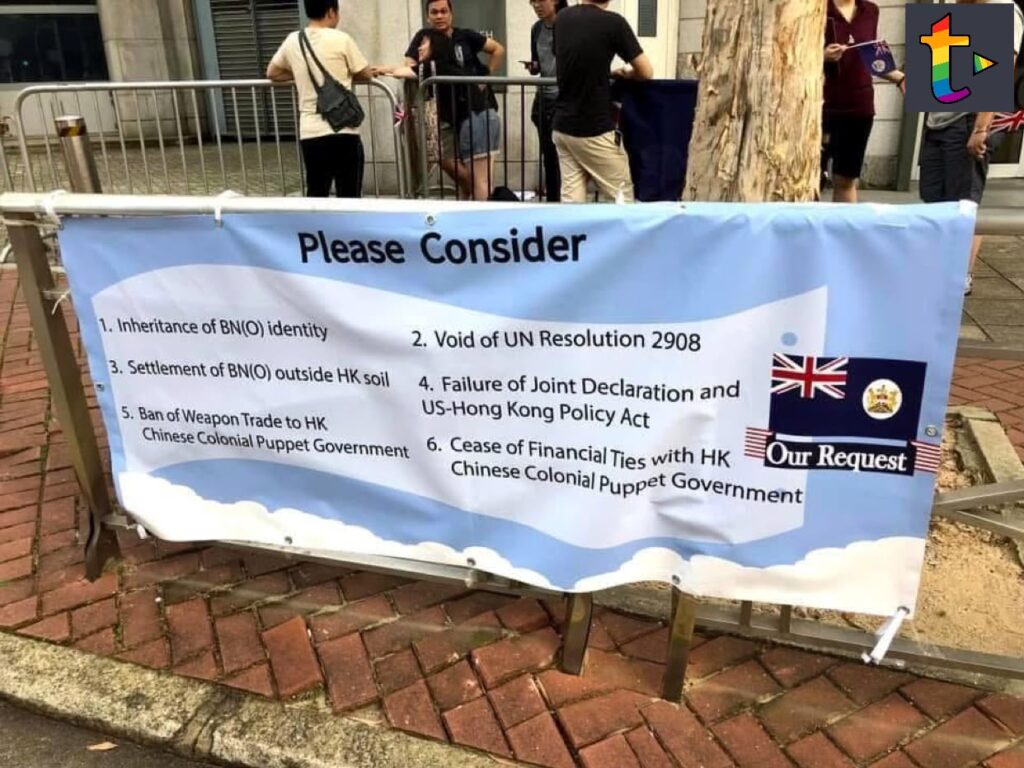
When Beijing began to renege on its promises, British responses were limited to diplomatic statements and symbolic gestures. Economic interests and a reluctance to confront a rising China outweighed the moral obligation to protect Hong Kong’s autonomy. In practical terms, Hong Kong was sacrificed to preserve the UK’s broader relationship with China.
A Final Message to the Free World
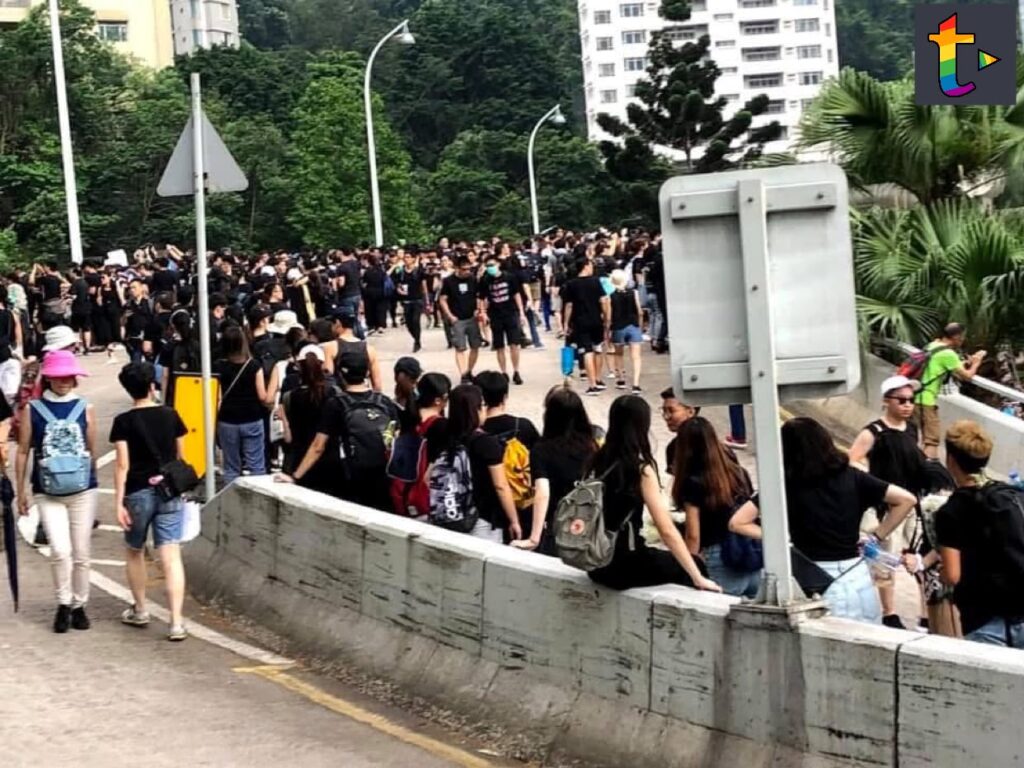
The millions who marched in Hong Kong did so because they understood that the rule of law, freedom of speech, and the right to dissent are not abstract ideals—they are the difference between dignity and fear. Their example illuminates a truth proven by history, from Berlin to Budapest to Santiago: democracy cannot survive without constant vigilance, and the rule of law is its first line of defense.
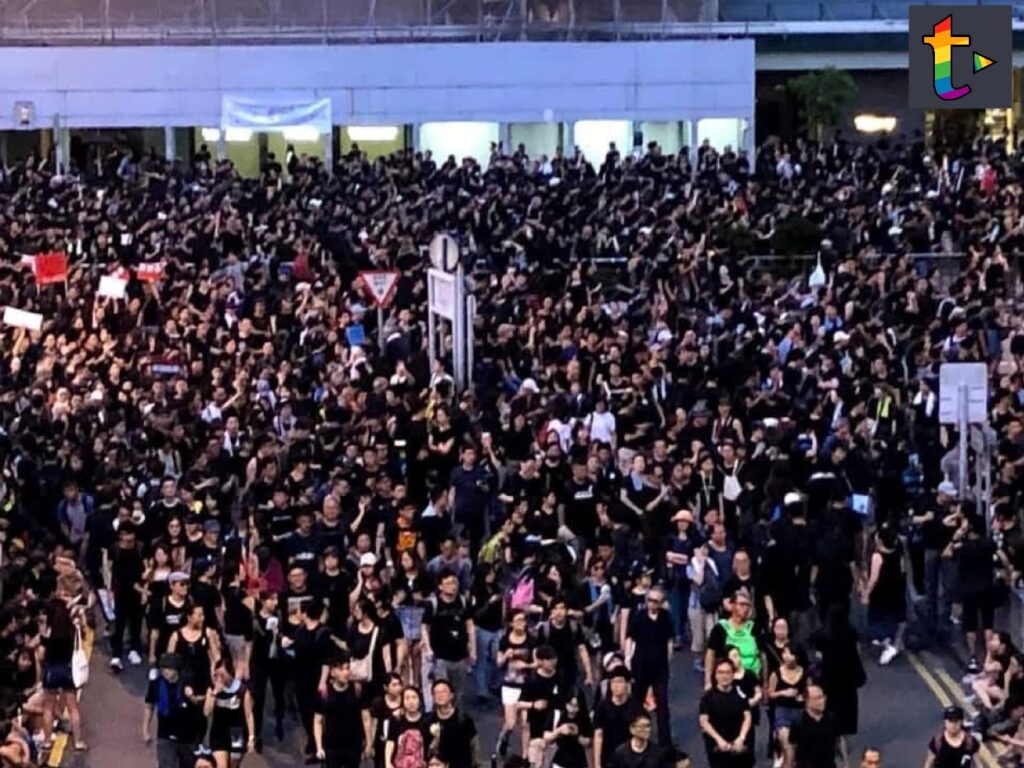
As Western societies face their own tests—whether in the form of disinformation, creeping executive overreach, or challenges to an independent press—they should remember Hong Kong’s “Sea of Black.” This was not just a local struggle. It was a warning, written in the language of courage and sacrifice, to every free society.
Uphold your democracy. Guard your press. Defend your courts. Remember Hong Kong, and do not wait until it is too late.