 admin
admin
If you believe every “mukbang” moment in a K-drama is just a quirky plot device, you’re missing the orchestration of a multi-billion-dollar strategy that fuses statecraft and corporate ambition. From the humble instant noodles gleefully devoured in Crash Landing on You to the quiet, tension-laden coffee breaks in Vincenzo, every appearance of Korean cuisine on screen is a calculated act of cultural diplomacy.
From a macro lens, the global ascent of Korean food (K-Food) through film and television transcends mere commercial advertising—it stands as a sophisticated case study in geopolitics, chaebol-driven market engineering, and the fine art of soft-power projection.
1. Chaebol Vertical Integration: From Script to Supermarket
Korea’s entertainment juggernaut is inextricably linked with its powerful family-run conglomerates, or chaebols. Nowhere is this synergy more apparent than in the CJ Group, a paragon of vertical integration:
- Entertainment Empire: Through CJ ENM, the group produces chart-topping content (Parasite, Crash Landing on You, Goblin).
- Food Supply Chain: Simultaneously, CJ CheilJedang—parent to the global bibigo brand—supplies the dumplings, kimchi, and ready-to-eat rice that grace the small screen.
This holistic ecosystem guides viewers from aspirational on-screen lifestyles straight to the supermarket aisles, where the very products enjoyed by their favorite characters await. Korean conglomerates, thus, do more than sell food—they export an entire way of life.
2. Geopolitical Tensions: Cultural Sovereignty and Brand Backlash
This culinary soft power is not immune to controversy. As production budgets soared, Korean studios increasingly courted lucrative Chinese product placement (PPL) deals. The result? A firestorm of domestic backlash when Chinese instant rice pots (Zihaiguo) or bibimbap appeared in beloved dramas, igniting debates about the erosion of Korea’s culinary sovereignty.
These incidents—dubbed “cultural storms”—exposed the fragility of national identity in the global marketplace. In response, both government and industry recalibrated, pivoting toward partnerships with global streaming giants like Netflix and Disney+. This strategic migration allowed them to tap international funding while sidestepping regional culture wars, refocusing their sights on Western and global audiences.
3. “Agent-Style” Precision: The Stealth Weapon of Soft Power
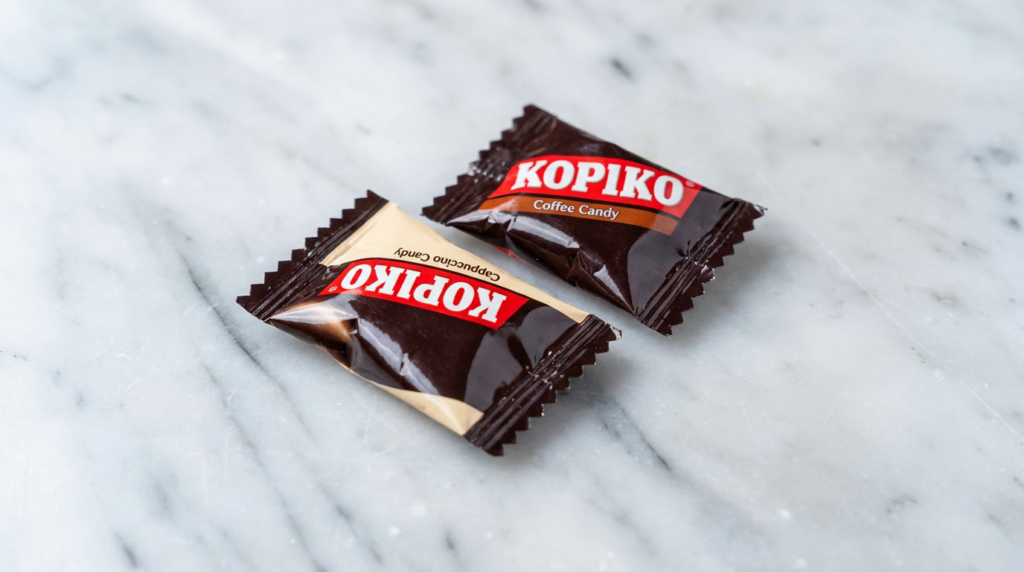
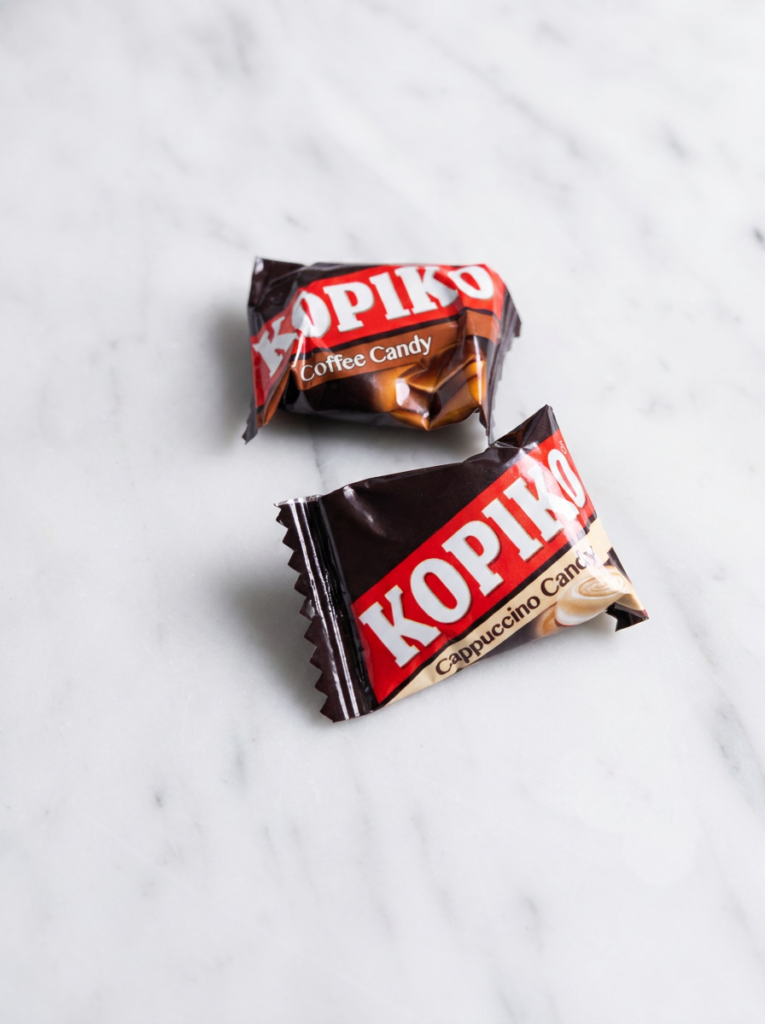
The latest wave of K-dramas has elevated PPL to an art form, weaving products seamlessly into character arcs and high-stakes narratives. Consider Vincenzo, where Song Joong-ki’s protagonist nonchalantly pops a KOPIKO coffee candy during mafia negotiations, instantly associating the treat with poise and composure under pressure. Here, snacks become more than mere edibles—they’re narrative tools and global status symbols.
By positioning K-Food as essential gear or chic lifestyle accessories in genres spanning spy thrillers to action blockbusters, Korean creators erase the line between advertising and storytelling, transforming everyday products into global cultural icons.
4. Statecraft Behind the Scenes: Government as Architect
The South Korean government—particularly the Ministry of Agriculture, Food and Rural Affairs (MAFRA) and the Korea Agro-Fisheries & Food Trade Corporation (aT)—operates as the grand strategist behind this phenomenon.
- Targeted Subsidies: Production companies receive low-interest loans and direct subsidies in exchange for featuring flagship K-Food products (kimchi, red pepper paste, ginseng, instant noodles) in export-bound shows.
- Export Engine: Since designating “Culture as a National Industry” in the late 1990s, the state has recognized that K-drama exports are inseparable from surges in Korean electronics, cosmetics, and food sales abroad.
Case Studies: Political & Economic Impact of On-Screen Food
| Drama / Film | Featured Food / Brand | Strategic & Geopolitical Context |
|---|---|---|
| Parasite | Chapaguri (Ram-don) | Combines cheap instant noodles with luxury Hanwoo beef to symbolize class disparity. Following its Oscar win, South Korean diplomatic and agricultural agencies actively used it as a global PR tool to boost beef and noodle exports worldwide. |
| Crash Landing on You | BBQ Olive Chicken | Set against the backdrop of Inter-Korean relations, fried chicken and beer (Chimaek) are presented as symbols of South Korean prosperity, warmth, and modern lifestyle. This directly fueled the brand’s rapid overseas expansion across North America and Southeast Asia. |
| Vincenzo | Zihaiguo vs. KOPIKO Coffee Candy | The inclusion of a Chinese self-heating rice pot sparked fierce domestic outrage over cultural ownership, forcing the studio to edit out the scenes. Conversely, Indonesian brand KOPIKO paid top dollar to leverage K-drama soft power, successfully transforming an Indonesian candy into a global viral phenomenon. |
Conclusion: Soft Power, Served Hot
So, the next time a K-drama leaves you craving instant noodles or a particular snack, remember: it’s no coincidence. Korean product placement is not mere advertising—it’s the result of deliberate state policy, chaebol synergy, geopolitical finesse, and narrative ingenuity. By making food a central character, South Korea has mastered the art of converting emotional resonance into tangible economic and diplomatic clout, building a global soft-power empire, one bite at a time.

 meritokratias