 DOVC
DOVC
In the domain of manga, few works have attracted as much attention and provoked as much discourse as Tatsuki Ryū’s “Watashi ga Mita Mirai” (The Future I Saw). Initially published in 1999, this anthology of prophetic dreams has evolved into a cultural phenomenon, particularly within Japan, where its predictions have ominously mirrored actual events, engendering both fascination and apprehension.
A Manga of Dreams and Premonitions
The work “Watashi ga Mita Mirai” is not a conventional manga. It represents a collection of dreams imagined by Tatsuki Ryū, a Japanese manga artist, over the span of fifteen years. These dreams, frequently illustrated in a simplistic, almost juvenile style, predicted varynumerous events, ranging from personal experiences to significant disasters.
The manga became widely recognised following the catastrophic Great East Japan Earthquake and Tsunami of 2011. Ryū illustrated a dream in the manga showing a gigantic tsunami striking Japan, notably marked with the year 2011. This eerie accuracy stunned the nation, elevating “Watashi ga Mita Mirai” from a niche title to a prominent cultural phenomenon.
Summary of Key Predictions:
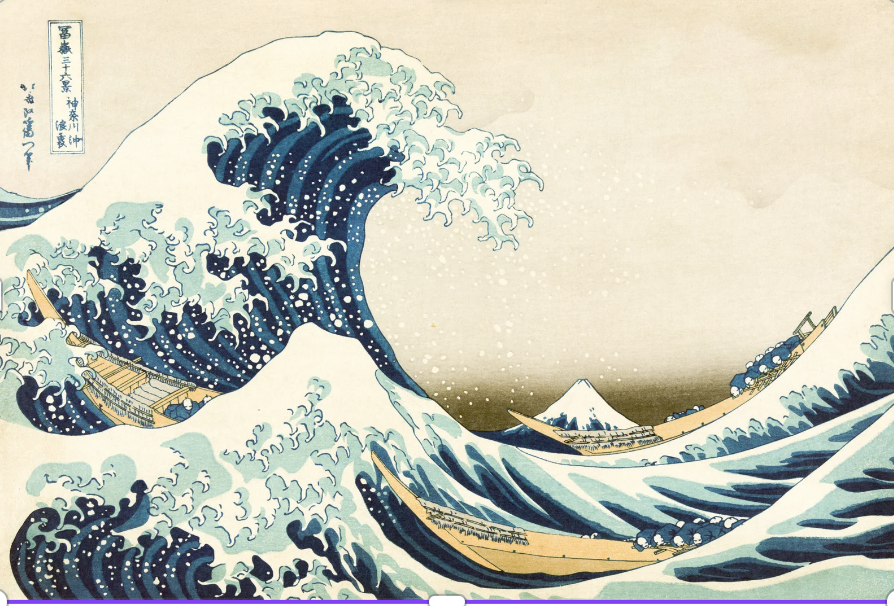
Beyond the 2011 tsunami, the manga contains several other notable predictions:
The Death of Freddie Mercury: Ryū claims to have dreamt of the Queen frontman’s death before it occurred.
The Kobe Earthquake (1995): While not explicitly depicted, Ryū has stated that she had a premonition of a major earthquake in the Kansai region.
Future Disasters: The manga also hints at future disasters, including a major catastrophe in 2025, which has become a source of considerable public concern.
The 2025 Prophecy: A Nation on Edge
The recent increase in the popularity of “Watashi ga Mita Mirai” can be directly associated with the impending date of 2025. Ryū’s manga implies that a substantial disaster will occur in Japan in July of that year. Although the precise details of the disaster remain unspecified, the suggestion has been sufficient to provoke extensive anxiety and speculation.
Recent Seismic Activity and Public Concern:
This anxiety has been further exacerbated by a sequence of recent earthquakes, both within and outside Japan. The Noto Peninsula Earthquake on January 1, 2024, which resulted in extensive devastation and loss of life, served as a poignant reminder of Japan’s susceptibility to natural disasters. Subsequent aftershocks and minor earthquakes throughout the nation have maintained a state of tension among the public, intensifying concerns that Ryū’s 2025 prophecy may be materialising.
Compounding the unease, last month experienced notable earthquakes in nearby Myanmar and Thailand (March 2025). Although these tremors did not have a direct effect on Japan, they acted as a regional reminder of the Earth’s unpredictable nature, amplifying worries about possible seismic occurrences. The closeness of these incidents has deepened the conversations and apprehensions about Tatsuki Ryū’s forecasts.
Social media is abundant with discussions regarding the manga, as numerous users share their interpretations of Ryū’s dreams while articulating their concerns about the potential disaster. Some individuals are taking pragmatic measures to prepare, acquiring emergency supplies and reviewing evacuation protocols. Others are engaging in spiritual practices and prayer, in hopes of averting the anticipated catastrophe. The recent earthquakes in Myanmar and Thailand have been frequently referenced in these online dialogues, imbuing the discourse with a sense of urgency and immediacy.
The Power of Belief and the Psychology of Fear
The authenticity of Tatsuki Ryū’s dreams, whether they are genuine prophecies or mere coincidences, remains a subject of ongoing debate. Nevertheless, the influence of “Watashi ga Mita Mirai” on Japanese society is indisputable. The manga addresses a profound cultural anxiety regarding natural disasters, deeply embedded in Japan’s historical and geographical context.
The popularity of the manga underscores the influence of belief and the psychology of fear. In periods of uncertainty, individuals often seek patterns and rationalisations, even when such inclinations are based on anecdotal evidence or supernatural claims. “Watashi ga Mita Mirai” offers a narrative framework that facilitates the understanding and management of fears associated with potential disasters, thereby providing a semblance of control, albeit an illusory one, in the face of uncertainty.
A Cultural Phenomenon with a Lingering Question:

“Watashi ga Mita Mirai” transcends mere classification as a manga; it embodies a cultural phenomenon encapsulating Japan’s intricate relationship with its past, present, and future. With the year 2025 on the horizon, the predictions outlined within the manga will persist in stimulating speculation and anxiety, further exacerbated by recent regional seismic activity. This serves as a poignant reminder of the unpredictable essence of life and the enduring strength of human imagination. Regardless of whether the prophesied events materialise, the impact of “Watashi ga Mita Mita Mirai” will indubitably continue to resonate within Japanese society for years to come.