 DOVC
DOVC
Six years ago, on June 12, 2019, the world observed as Hong Kong police deployed tear gas and rubber bullets against predominantly peaceful protestors, many of whom were students, demonstrating against the contentious extradition bill. This event, permanently inscribed in memory as “6/12,” constituted a pivotal moment in Hong Kong’s history, precipitating a sequence of events that has resulted in a significant exodus of Hong Kong residents to the United Kingdom. Today, as we commemorate the anniversary of 6/12, with the 36th anniversary of the Tiananmen Square Massacre (June 4th, 1989) rapidly approaching, it is imperative to comprehend the historical context, the unique BNO situation, the economic realities, the social divisions, the resonant echoes of China’s Cultural Revolution, and, significantly, the UK government’s historical responsibilities and missed opportunities that underpin the profound sense of loss and displacement experienced by numerous Hong Kong residents seeking refuge in the UK.

The roots of the current situation are complex and deeply entwined with Hong Kong’s colonial past and its subsequent relationship with China. Under British rule, while Hong Kong benefited from a stable and efficient administration, it was notably deprived of full universal suffrage. Governors were appointed by London, and although there was a Legislative Council (LegCo), its members were initially appointed and later only partially elected. This absence of full democratic representation served as a persistent source of frustration for numerous Hong Kong residents. It stemmed, in part, from British concerns regarding the maintenance of control and stability within the territory, as well as the complexities of engaging with the Chinese government. The denial of universal suffrage, even in the lead-up to the handover, signifies a substantial failure on the part of the United Kingdom, leaving the citizens of Hong Kong without the democratic mechanisms required to shape their own future.
The Sino-British Joint Declaration of 1984, which delineated the terms of Hong Kong’s handover to China in 1997, assured Hong Kong a “high degree of autonomy” for 50 years under a “One Country, Two Systems” framework. This included guarantees of freedom of speech, assembly, and the press, as well as an independent judiciary. However, the Joint Declaration lacked a robust enforcement mechanism, leaving Hong Kong susceptible to Beijing’s interpretation of the agreement. The United Kingdom’s failure to secure strong international guarantees for Hong Kong’s autonomy remains a matter of considerable criticism.
In anticipation of the handover, the British government created the British National (Overseas) (BNO) passport in 1987. This document granted no citizenship but rather served as a travel document that offered limited consular protection. Notably, it did not confer the right of abode in the United Kingdom. Many residents of Hong Kong perceived the BNO as indicative of a second-class status, symbolic of the United Kingdom’s reluctance to fully commit to their future. It represented a pragmatic solution to a multifaceted issue yet fell short of providing the security and rights that many believed they were entitled to. The BNO, in its original form, primarily functioned to manage the potential outflow of Hong Kong residents rather than to offer a genuine commitment to their welfare.
The period following the Tiananmen Square Massacre in 1989 should have served as a significant warning to the United Kingdom government regarding the future trajectory of Beijing’s policies. The brutal suppression of pro-democracy protestors in Beijing exemplified the Chinese Communist Party’s readiness to employ force to maintain control and its disregard for human rights. Despite this explicit warning sign, the United Kingdom government failed to devise a comprehensive contingency plan to protect the residents of Hong Kong should Beijing renege on its commitments to autonomy.
Although certain limited measures have been implemented to permit specific individuals from Hong Kong (primarily those occupying sensitive positions) to seek refuge in the United Kingdom, these measures fall considerably short of effectively addressing the risk of a widespread human rights crisis. The United Kingdom’s inability to provide a comprehensive “insurance policy” for Hong Kong residents during the 1990s constitutes a considerable missed opportunity and a neglect of its moral obligation.

In the years subsequent to the handover, apprehensions intensified regarding Beijing’s encroaching influence over Hong Kong’s freedoms and democratic institutions. Although the Basic Law (Hong Kong’s mini-constitution) guaranteed the eventual realisation of universal suffrage, Beijing consistently delayed or undermined initiatives aimed at its implementation. The 2014 Umbrella Movement, prompted by Beijing’s restrictive framework governing the election of Hong Kong’s Chief Executive, highlighted the increasing dissatisfaction with the absence of political advancement.
The 2019 extradition bill, which proposed enabling the extradition of individuals to mainland China, served as the catalyst for extensive protests. The citizens of Hong Kong harboured concerns that the bill would exacerbate the deterioration of their judicial independence and subject them to the lack of transparency inherent in the mainland’s legal system.
The Shadow of Tiananmen: 1989 and the Lost Opportunity

The Tiananmen Square Massacre, which occurred on June 4, 1989, represented a severe repression of pro-democracy demonstrations in Beijing by the Chinese government. Individuals, including students and citizens advocating for political reform and enhanced freedoms, faced a violent response characterised by tanks and gunfire. This incident reverberated globally and underscored the Chinese Communist Party’s readiness to resort to violence in order to preserve its authority.
This massacre should have served as a pivotal moment for the United Kingdom government concerning Hong Kong. The occurrences in Tiananmen Square distinctly demonstrated the likelihood of Beijing to disregard human rights and fundamental freedoms. Nevertheless, in light of this significant admonition, the United Kingdom government failed to formulate a comprehensive contingency plan to safeguard Hong Kong residents in the eventuality that Beijing abrogated its commitments to autonomy.
While some limited measures were taken to allow certain Hong Kongers (primarily those in sensitive positions) to seek refuge in the UK, these were far from sufficient to address the potential for a widespread human rights crisis. The UK’s failure to offer a comprehensive “insurance policy” for Hong Kongers in the 1990s represents a significant missed opportunity and a dereliction of its moral duty. The memory of Tiananmen should have spurred the UK to action, but instead, a path of cautious engagement was chosen, ultimately leaving Hong Kong vulnerable.
In the years following the handover, concerns grew about Beijing’s increasing encroachment on Hong Kong’s freedoms and democratic institutions. While the Basic Law (Hong Kong’s mini-constitution) promised eventual universal suffrage, Beijing repeatedly stalled or undermined efforts to implement it. The 2014 Umbrella Movement, triggered by Beijing’s restrictive framework for the election of Hong Kong’s Chief Executive, demonstrated the growing frustration with the lack of political progress.
The 2019 extradition bill, which would have allowed individuals to be extradited to mainland China, was the spark that ignited widespread protests. Hong Kongers feared that the bill would further erode their judicial independence and expose them to the mainland’s opaque legal system.
The 6/12 Protests: A Turning Point
The 6/12 protests were a direct response to the government’s refusal to withdraw the extradition bill. Peaceful protestors, many of whom were students, gathered outside the Legislative Council to voice their opposition. The police response was swift and brutal, with tear gas, rubber bullets, and pepper spray used against the largely unarmed crowd. This heavy-handed response shocked Hong Kong and the world, galvanizing the protest movement and leading to months of escalating unrest.
The heavy-handed response of the Hong Kong government and police force to the protests, culminating in events like 6/12, shocked the international community and fueled a sense of desperation among many Hong Kongers. The erosion of trust in the government and the increasing use of force against dissent led many to consider leaving the city.
The imposition of the National Security Law in June 2020 was a decisive blow to Hong Kong’s autonomy. This law, imposed directly by Beijing without any local legislative process, criminalized acts of secession, subversion, terrorism, and collusion with foreign forces, with vaguely defined terms that could be used to suppress any form of dissent.
The National Security Law effectively silenced opposition voices, curtailed freedom of expression, and eroded the rule of law. Civil society organizations were forced to disband, independent media outlets were shut down, and pro-democracy activists were arrested and imprisoned. The law created a climate of fear and self-censorship, making it increasingly difficult for Hong Kongers to exercise their fundamental rights and freedoms.
In response to this deteriorating situation, the British government launched the British National (Overseas) (BNO) visa scheme in January 2021. This scheme offered a pathway to residency and eventual citizenship for Hong Kongers who held BNO status and their eligible family members. The BNO visa was a direct response to the erosion of Hong Kong’s freedoms and a recognition of the UK’s historical and moral obligations to the people of Hong Kong. While the BNO visa scheme is a welcome step, it is arguably a case of too little, too late, addressing a crisis that could have been mitigated with more foresight and decisive action in the past.
The BNO visa scheme has provided a crucial lifeline for Hong Kongers who felt they had no future in their home city. Hundreds of thousands have since applied for the visa, seeking refuge in the UK and a chance to rebuild their lives in a freer environment. These individuals represent a diverse cross-section of Hong Kong society, including professionals, entrepreneurs, students, and families with young children.
The decision to leave Hong Kong was not taken lightly. It involved significant sacrifices, including leaving behind family, friends, careers, and a familiar culture. However, for many Hong Kongers, the desire to protect their freedoms and provide a better future for their children outweighed the costs of relocation.

Hong Kong Today: A Society Torn Apart and An Economy Reeling – The Specter of the Cultural Revolution and the Enduring Responsibility of the UK
Today, Hong Kong is a vastly different city than it was just a few years ago, and its economy is reflecting this reality. While pro-government voices continue to tout the city’s resilience, the reality on the ground is more complex. The expected influx of mainland Chinese tourists and investment has not materialized to the extent anticipated. Many mainland visitors, while supportive of the government, are not necessarily big spenders, and a shift towards prioritizing national security over economic vibrancy has created an environment less appealing to international businesses and investors.
At the same time, a significant portion of the pro-democracy population, disillusioned and disheartened, has chosen to leave Hong Kong, taking their talent and capital with them. This has created a brain drain and a significant loss of spending power within the local economy.
Furthermore, many of the remaining Hong Kongers feel a sense of disappointment and alienation. Rather than investing in their own city, they are increasingly choosing to spend their money in mainland China or travel to countries like Japan and Taiwan, where they feel more welcome and appreciated. This shift in spending patterns is further impacting the local economy, creating a self-fulfilling prophecy of decline.
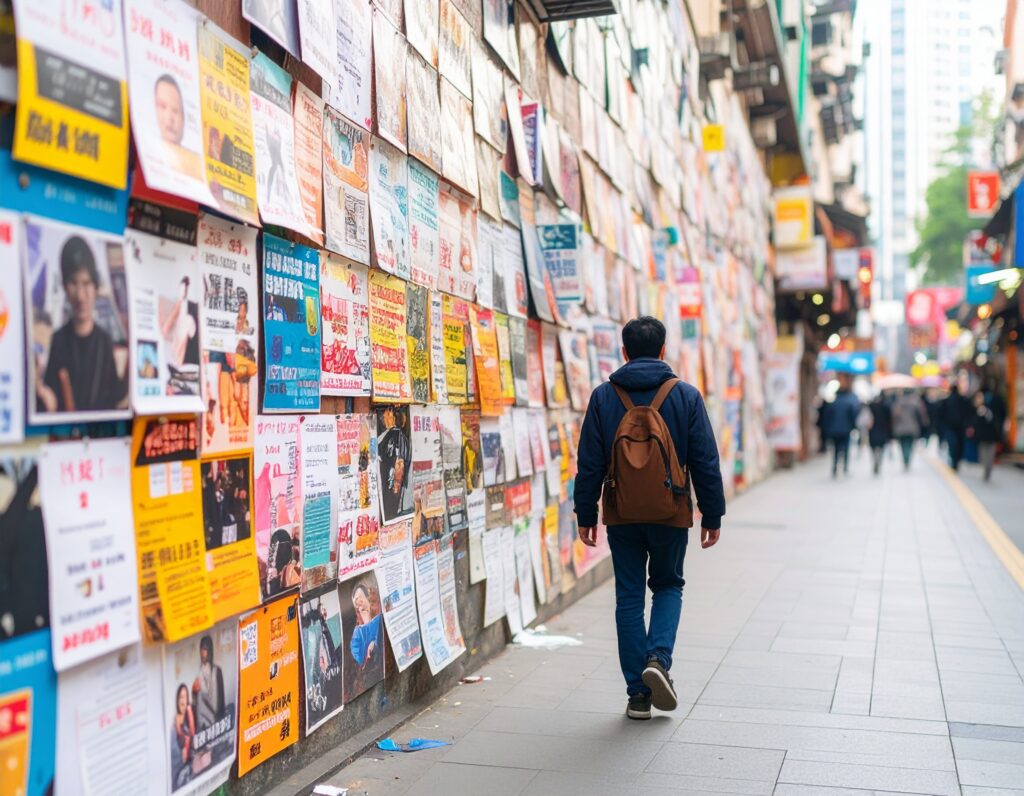
The atmosphere in Hong Kong today can be described as fractured and polarized, reminiscent of the era of the Cultural Revolution in mainland China. The Enduring Legacy of the Cultural Revolution and its Implications Today: The Cultural Revolution (1966-1976) was a devastating period in China’s history. Launched by Mao Zedong, it was a campaign to purge the country of perceived capitalist and traditional elements, resulting in widespread social, cultural, and economic destruction. Its legacy continues to cast a long shadow on Chinese society.
The Enduring Legacy of the Cultural Revolution: The Cultural Revolution (1966-1976) was a devastating period in China’s history. Launched by Mao Zedong, it was a campaign to purge the country of perceived capitalist and traditional elements, resulting in widespread social, cultural, and economic destruction.
Erosion of Trust: The arbitrary nature of the purges and the encouragement of denunciation undermined trust in institutions and in each other.
Economic Stagnation: The Cultural Revolution disrupted production, stifled innovation, and led to a decade of economic stagnation.
Educational Setback: Schools and universities were closed, and intellectuals were persecuted, leading to a lost generation of educated individuals.
Social Trauma: The Cultural Revolution created deep social divisions, destroyed families, and left millions traumatized by violence and persecution.
Economic Stagnation,Educational Setback, Social Trauma,Erosion of Trust, all these are happening in Hong Kong right now.
The echoes of the Cultural Revolution in Hong Kong are subtle but palpable: The silencing of Dissent and Rewriting of History are happening in Hong Kong.
The Silencing of Dissent: Just as during the Cultural Revolution, dissenting voices are being suppressed and marginalized. The National Security Law has effectively criminalized any criticism of the government, leading to self-censorship and a chilling effect on freedom of expression.
The Rewriting of History: There are efforts to rewrite Hong Kong’s history to conform to a Beijing-approved narrative, downplaying or ignoring the city’s unique identity and its struggle for democracy.
The Cult of Personality: While not to the same extreme as during the Cultural Revolution, there is a growing emphasis on loyalty to the central government and its leaders, with symbols and slogans promoting a sense of national unity that some see as enforced conformity.
The Targeting of Intellectuals and Educators: The education system is being overhauled to promote “patriotic education,” and teachers and academics who are seen as disloyal are being targeted and removed from their positions.
Xi Jinping and the Consolidation of Power
Some analysts believe that Xi Jinping, China’s current leader, views aspects of the Cultural Revolution as a tool for consolidating his own power. While officially condemning the excesses of the Cultural Revolution, Xi has also emphasized the importance of ideological purity and loyalty to the Communist Party. By cracking down on dissent and promoting a strong sense of national unity, Xi is seen by some as using tactics reminiscent of the Cultural Revolution to strengthen his grip on power. This trend is deeply concerning for those who value freedom and democracy.
This historical context, coupled with the economic pressures and the increasingly restrictive political environment, has created a perfect storm, driving many Hong Kongers to seek refuge in the UK and other countries where they can exercise their fundamental rights and freedoms.
As a result, the Hong Kong diaspora in the UK is growing and becoming an increasingly vibrant part of British society. These new arrivals are contributing their skills, talents, and entrepreneurial spirit to the UK economy and enriching the country’s cultural landscape.
However, challenges remain. Many BNO visa holders face difficulties integrating into the UK, including language barriers, employment challenges, and cultural differences. Recent concerns about potential changes to immigration rules also create uncertainty and anxiety within the community, highlighting the ongoing need for advocacy and support.
While Hong Kong’s current situation is not a direct replica of the Cultural Revolution, the parallels are deeply concerning. The suppression of dissent, the rewriting of history, and the promotion of a singular, government-approved narrative are creating a climate of fear and stifling creativity and innovation. This echo of a painful past contributes to the exodus and underscores the urgency of supporting Hong Kongers seeking refuge.
As we remember the events of 6/12, and as we approach the 36th anniversary of 6/4, it is essential to recognize the historical context, the unique BNO situation, the economic realities, the social fractures, the echoes of a painful past, the current political climate, and the UK’s enduring responsibility that have driven so many Hong Kongers to seek refuge in the UK. The BNO visa scheme has provided a crucial lifeline, but ongoing support and advocacy are needed to ensure that these new arrivals can thrive and contribute to their new home. The UK has a moral obligation to stand by the people of Hong Kong and uphold the values of freedom, democracy, and the rule of law – a debt long overdue.