 DOVC
DOVC
In an age dominated by scientific advancements, technological innovation, and a growing trend towards secularism, the question of religion’s place in contemporary society remains a subject of intense debate. Are individuals still genuinely religious in the 21st century, or has traditional faith become a fading relic of the past, replaced by more modern belief systems? While organized religious institutions may be experiencing challenges and shifts in membership in certain Western nations, the concept of faith – in its myriad forms and expressions – continues to be a powerful and influential force, shaping individual lives, molding communities, and even impacting global politics on a grand scale. Understanding religion’s relevance is crucial in today’s complex world.

Beyond the Church Walls The Evolving Landscape of Faith
It would be a gross misrepresentation to pronounce religion dead, despite the observed decline in traditional religious institution attendance in some Western countries. Instead, the landscape of faith is undergoing a dynamic evolution, adapting to the changing needs and perspectives of modern society. Many individuals are actively moving away from strict adherence to rigid dogma and embracing a more personalized and fluid approach to spirituality, often drawing inspiration and wisdom from multiple religious traditions and philosophical schools of thought.

What is it about religion that continues to captivate and resonate with people across the globe? What fundamental needs does it fulfill? Faith offers:
- A Search for Meaning and Purpose: Religion provides comprehensive frameworks for understanding the vastness of the universe, our individual place within its intricate design, and the overarching purpose of our existence. It addresses the profound existential questions that plague humanity.
- Ethical and Moral Guidance: At its core, religion provides ethical codes, moral principles, and core values that guide human behavior, shaping our understanding of right and wrong, good and evil. These principles influence individual decisions and shape collective social norms.
- A Sense of Community and Belonging: Religious institutions often serve as vital hubs for fostering a sense of community, offering social support networks, and providing a shared identity among their members. This sense of belonging is particularly important in an increasingly fragmented world.
- Comfort, Hope, and Resilience in Times of Crisis: Religion offers solace, comfort, and a sense of hope during times of personal hardship, loss, or societal upheaval. It provides a framework for coping with adversity and building resilience in the face of life’s inevitable challenges.
- Preserving Rituals, Traditions, and Cultural Identity: Religious rituals and ancient traditions serve as powerful links to the past, connecting individuals to their ancestors and providing a profound sense of continuity, cultural heritage, and shared identity across generations.
Decoding the Believers: A Complex Tapestry of Influences
Analyzing the relationship between religion and demographics requires a nuanced approach, acknowledging the complexity of human motivations and the limitations of broad generalizations. While certain correlations can be observed, it is imperative to avoid simplistic reductions and recognize the multifaceted nature of individual belief systems. Factors like race, experiences, and education all play a role.
- The Intertwined Threads of Race, Ethnicity, and Religious Identity: Throughout human history, religion has been inextricably linked to racial and ethnic identity, with certain religious traditions becoming deeply embedded within specific communities due to historical migration patterns, cultural transmission, and long-standing social dynamics. However, it’s crucial to acknowledge the increasing prevalence of conversions, interfaith marriages, and shifts in religious affiliation, leading to a more diverse and fluid religious landscape.
- The Profound Impact of Personal Experiences on Shaping Faith: Individual experiences, both deeply positive and profoundly traumatic, wield significant power in shaping an individual’s religious beliefs and spiritual journey. Some individuals find solace and strength in their faith during times of crisis, seeking meaning and guidance in the face of adversity, while others may grapple with doubt, questioning their beliefs and reevaluating their relationship with religion in the wake of suffering.
- The Intricate Dance Between Education and Religiosity: The relationship between education levels and religiosity is a complex and multifaceted one, varying significantly across diverse cultures and societal contexts. While some studies suggest that higher levels of formal education may correlate with a decline in traditional religious beliefs, as individuals are exposed to broader perspectives and critical thinking skills, other research indicates that education can deepen and enrich an individual’s faith by encouraging critical self-reflection, theological exploration, and a more nuanced understanding of religious doctrine.
- Socioeconomic factors: Poverty, inequality and lack of access to resources can lead people to turn to religion as a coping mechanism, and source of support. This can be particularly true in communities where other forms of social support are lacking.
- Cultural context: In some societies, religion is deeply ingrained in the culture, and it is difficult to separate religious beliefs from cultural norms. This can lead to a situation where people adhere to religious practices even if they do not necessarily believe in the underlying tenets of the religion.
In the end, an individual’s deeply held religious beliefs and spiritual practices are shaped by a unique and intricate interplay of factors, making it impossible to accurately predict or categorize their faith based solely on demographic characteristics. Personal experiences, individual reflection, and a complex web of social influences all contribute to the rich diversity of human belief systems.

A Glimpse into the World’s Diverse Religious Traditions: Historical Context and Key Beliefs
- Buddhism is the Path to Enlightenment, originating in ancient India with Siddhartha Gautama, commonly known as the Buddha, in the 6th century BCE, Buddhism offers a profound and transformative path to personal spiritual development. Core to Buddhist teachings is the emphasis on the cessation of suffering, which is achieved through a deep understanding of the nature of reality. Central to this pursuit is the ultimate goal of enlightenment, or Nirvana, a state of liberation and freedom from the cycle of birth, death, and rebirth (samsara).
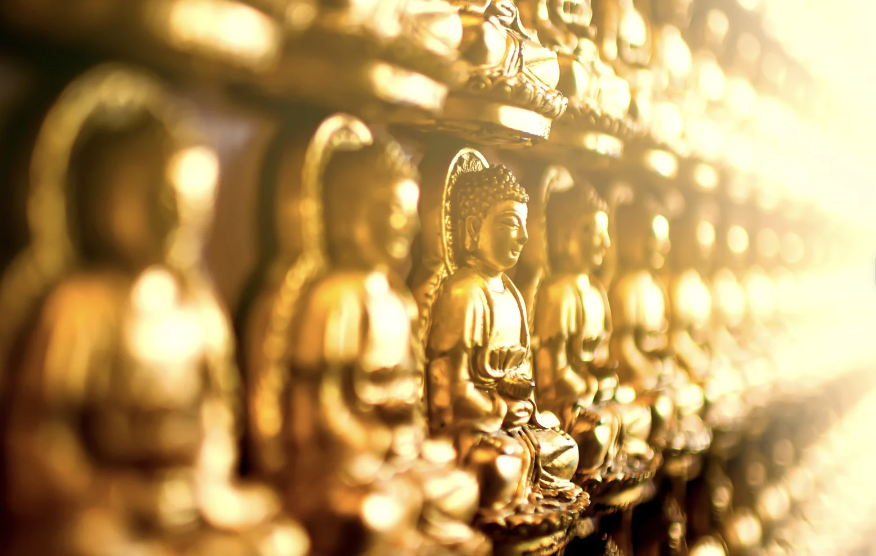
Buddhism has expanded and spread throughout Asia and beyond, evolving into a rich tapestry of diverse schools of thought and traditions. Each of these traditions presents unique approaches to achieving inner peace, wisdom, and a better understanding of one’s self and the universe. Among the key practices that Buddhism emphasizes are meditation and mindfulness, both of which are essential tools for cultivating awareness, reducing suffering, and attaining a deeper spiritual connection.
Consider the transformative story of Emperor Ashoka of India, a historical figure who, after witnessing the devastating consequences of war and suffering, underwent a significant personal transformation. His conversion to Buddhism marked a pivotal moment in his life, leading him to dedicate his reign to spreading the values of peace, compassion, and non-violence throughout his vast empire. This remarkable journey illustrates the profound transformative power of faith and the impact of Buddhist teachings on individual lives and society as a whole. Through the guidance of Siddhartha Gautama’s insights on enlightenment, practitioners can embark on their own journeys toward understanding and transcending suffering, ultimately seeking the peace that comes from following the path laid out by these ancient teachings.
- Catholicism, known as the Universal Church, is recognized as the largest Christian denomination in the world, with over a billion adherents. Its origins can be traced back to Jesus Christ and his apostles, providing a historical foundation that is both profound and significant. Central to Catholic theology is the emphasis on the sacraments, which are viewed as essential rites contributing to the spiritual life and grace of the faithful.
The Pope, regarded as the successor of St. Peter, holds a crucial and symbolic role within Catholicism, embodying the leadership, authority, and unity of the Church. The Pope guides millions of Catholics worldwide, providing spiritual direction and moral teachings. Catholicism is deeply embedded in rich traditions and rituals that inform its understanding and interpretation of the Christian faith, making it a distinctive and vibrant expression of devotion. Catholicism’s influence extends beyond the spiritual realm; it is indeed crucial to cultural and social development throughout history. Centered in Vatican City, the heart of the Catholic Church, Catholicism has significantly shaped Western civilization. Its impact can be observed across various fields, including art, music, philosophy, and politics, over the centuries. The works of renowned artists such as Michelangelo and composers like Mozart were deeply influenced by the Catholic faith, showcasing the interplay between spirituality and creativity. A stunning example of Catholic influence in architecture is the Sagrada Familia in Barcelona, Spain. This iconic basilica is not only an architectural masterpiece of Catholicism but also a symbol of faith and devotion. Constructed under the visionary guidance of architect Antoni Gaudí, the construction of the Sagrada Familia began in 1882 and remarkably continues to this day. This ongoing project showcases the enduring ambition, profound artistic vision, and tremendous devotion that Catholicism inspires in people around the world. As visitors admire its intricate facades and breathtaking interiors, they experience a tangible connection to the rich history and tradition of the Church.

- Christianity, one of the world’s largest and most widespread global faiths, originated from the rich tradition of Judaism during the first century CE. This dynamic religion is fundamentally centered on the belief in Jesus Christ as both the Son of God and the Saviour of humanity. The life and teachings of Jesus Christ, which are documented in the Bible, lay a strong emphasis on salvation and redemption, offering forgiveness of sins and the promise of eternal life to all who choose to believe. Furthermore, Christianity is not a monolithic faith but encompasses a diverse array of denominations, including Protestantism, Eastern Orthodoxy, and Catholicism, each contributing to the overall richness and complexity of Christian belief and practice. This religion has had a profound and far-reaching influence on various aspects of human society, including art, ethics, law, and social structures across different cultures around the globe. One significant historical movement within Christianity is the Protestant Reformation, which was driven by influential figures like Martin Luther and John Calvin. This movement highlights the power of individual conscience within Christianity, empowering believers to challenge established authority and promote meaningful change within both religious and political realms. The Reformation played a crucial role in further embedding Christian values into the fabric of society, encouraging movements towards greater personal faith and accountability. Overall, Christianity remains the world’s largest religion, continuously shaping human experience and influencing the moral framework and cultural values globally, making an indelible impact on the course of history.

- Hinduism, one of the oldest religions in the world, has its deep historical roots in the Indian subcontinent and is a rich tapestry of diverse traditions and practices. Central to Hinduism are the fundamental concepts of karma, which signifies the law of cause and effect, and dharma, representing righteous conduct and moral responsibilities. Additionally, Hinduism emphasizes the belief in reincarnation, the ongoing cycle of birth, death, and rebirth, with the ultimate goal of achieving moksha, or liberation from suffering and the cycle of samsara.
The Vedas, the sacred texts of Hinduism, provide valuable insights into many beliefs, rituals, and practices that shape Hindu culture and community dynamics. The profound influence of Hinduism on Indian culture, philosophy, and art is both significant and enduring. The epic narrative of the Mahabharata, featuring intricate characters and timeless philosophical dilemmas, showcases the rich tapestry of Hindu thought, illustrating the complex interplay of karma, dharma, and moksha in daily life. Hindu philosophy explores the nature of reality and the self, encouraging individuals to seek a deeper understanding of their existence.
Ultimately, Hinduism, its gods, diverse festivals, and the teachings found in the Vedas remain crucial to understanding the broader framework of Indian culture. The impact of Hinduism can be seen in various aspects such as Indian cuisine, music, architecture, and spiritual practices. By exploring these elements, one can gain a comprehensive understanding of how Hinduism continues to shape the identity of millions around the world, emphasizing the importance of spirituality in everyday life.

- Islam: Submission to God – An In-Depth Look at the Religion and Its Rich History: Established in the 7th century CE by the revered Prophet Muhammad, Islam emphasises the belief in one God, known as Allah, and the teachings articulated in the Quran, which Muslims believe is the literal word of God. With a vast global presence across various continents including Asia, Africa, Europe, and the Americas, Islam has a diverse and extensive following. Central to the faith are the Five Pillars of Islam, which form the foundation of Muslim life: the declaration of faith (Shahada), prayer (Salah), charity (Zakat), fasting during the holy month of Ramadan, and the pilgrimage to Mecca (Hajj). These pillars are essential for every practicing Muslim and are key elements in their journey of faith. Islamic civilization has profoundly influenced numerous fields such as science, mathematics, medicine, philosophy, art, architecture, and literature, leaving an enduring impact on human history and cultural development. The founding of the House of Wisdom in Baghdad during the Islamic Golden Age stands as a testament to the notable intellectual flourishing, cultural exchange, and steadfast commitment to knowledge that characterized Islamic civilization during this remarkable period of enlightenment. Engaging in the exploration of Islam not only enriches one’s understanding of a major world religion but also highlights the contributions of Islamic culture to the ongoing dialogue of human progress. By learning about the principles of Islam, one can appreciate the diversity of beliefs and practices within this faith and recognize its role in shaping the modern world.

The Tangled Web: Politics, Power, and Religious Influence Across History
Throughout human history, politics and religion have been deeply interconnected, creating a complex and often turbulent relationship that has influenced the development of civilizations, sparked conflicts, and driven significant social change. Religious institutions have held considerable political sway, affecting the choices of leaders, crafting laws, and managing extensive resources. In turn, political figures have strategically used religion to validate their authority, strengthen their power, and rally their citizens for war or conquest. Historical events, from the violent Crusades—religious wars during the Middle Ages—to the disruptive Protestant Reformation, which divided Europe, showcase how religious strife has profoundly impacted the historical narrative, outlining the borders of nations, shaping political beliefs, and transforming the dynamic between church and state. Even in mostly secular societies, religion still plays a quiet yet influential role in political discussions, guiding public conversations on contentious subjects like abortion rights, same-sex marriage, and social justice efforts, highlighting faith’s persistent ability to shape our values and direct our political decisions.
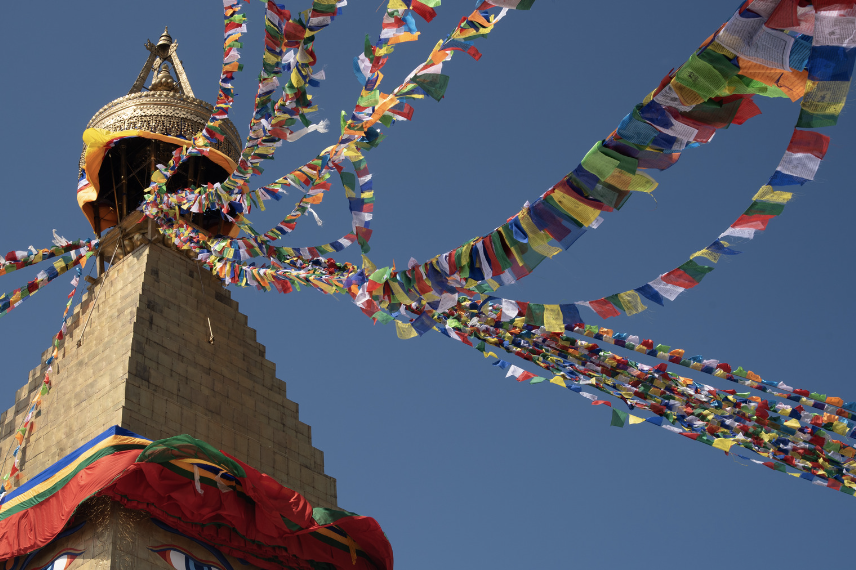
The Vital Importance of Freedom of Belief: Lessons from Restricted Societies
The significance of religion, or more precisely, the fundamental right to freedom of belief and religious expression, becomes distinctly evident when analysing societies where these liberties are actively suppressed or restricted. The policies of the Chinese government concerning religious practices, particularly in relation to religious groups that operate outside the direct control and oversight of the state, provide a compelling case study in the repercussions of limiting religious freedom. By endeavouring to meticulously regulate religious expression and manipulate faith for political objectives, the government seeks to maintain social stability, consolidate its political power, and enforce ideological conformity. Nonetheless, this repression of religious freedom may inadvertently precipitate a series of unintended and adverse outcomes, undermining social trust, stifling individual creativity, and potentially inciting resentment and resistance.
When people are consistently denied their basic human right to express their faith freely, practice their religion without fear of persecution, and live authentically according to their core values, it may result in a series of detrimental consequences:
- Erosion of Moral Compass and Ethical Integrity: In the absence of a robust foundation in ethical principles, a structured framework for moral decision-making, and the opportunity to partake in ethical reflection within a nurturing community, individuals may exhibit greater susceptibility to corrupt, self-serving, or opportunistic behaviours, placing personal gain above the collective good.
- Deterioration of Social Trust and Heightened Social Disconnect: The restriction of religious freedom can engender a climate characterised by fear, suspicion, and distrust, resulting in the disintegration of social cohesion, an amplified sense of alienation from the broader community, and a weakening of the bonds that unify society.
- An Unhealthy Pursuit of External Validation: Without authentic internal moral guidance and a profound sense of purpose, individuals often look for validation and recognition exclusively through external accomplishments, material wealth, or social standing. This tendency can result in prioritising superficial appearances over sincere acts of kindness, compassion, and serving others.

The anecdotal reports of Chinese citizens frequently demonstrating more ethical behavior when traveling or residing outside of China, as opposed to their conduct within the nation, may serve as a subtle indicator that the suppression of personal values and ethical principles, coupled with the lack of freedom of religious expression, can lead to a decline in moral behavior and a diminishment of social responsibility. Nevertheless, it is imperative to acknowledge that this represents a complex and multifaceted issue, influenced by a variety of factors, and necessitates careful analysis, thereby avoiding simplistic generalizations. Enhanced legal frameworks, more stringent enforcement mechanisms, and differing cultural norms in other nations may also contribute to this observed disparity in behavior.
Navigating Faith in a Complex World
In conclusion, religion remains an undeniably vital and influential component of the human experience, even within the technologically advanced and increasingly secular context of the 21st century. Although the forms of religious expression may continuously evolve and adapt to the changing needs of modern society and culture, the fundamental human needs for meaning, purpose, community, moral guidance, and a connection to something larger than oneself persist, driving individuals to seek solace, wisdom, and inspiration from diverse faith traditions. The complex and often fraught relationship between religion, politics, power, and society requires careful navigation, promoting mutual understanding, fostering respectful dialogue, and safeguarding the fundamental human right to freedom of belief for all individuals. Upholding religious freedom is essential in a world where diverse cultures coexist, ensuring that personal beliefs can flourish in harmony. Ultimately, respecting the diversity of religious expression, protecting freedom of conscience, and allowing individuals to explore their faith traditions without fear of discrimination or persecution are essential for building just, equitable, and thriving societies in an increasingly interconnected world. Whether one identifies as a devout believer, a curious seeker, a skeptical agnostic, or a staunch atheist, cultivating a deep understanding of the enduring power of religion, its historical impact, and its continued relevance in shaping our society and culture remains crucial for navigating the multifaceted challenges of the modern era and constructing a more harmonious and compassionate future for all. The intersection of spirituality and societal progress underscores the importance of dialogue and understanding in addressing the diverse needs and beliefs of our global community.