 DOVC
DOVC
Commencing the exploration of the Chinese language necessitates the navigation of the initial challenge of differentiating between Traditional Chinese characters and Simplified Chinese characters. While both writing systems stem from a common origin, they represent distinct historical trajectories and cultural significances that have sparked ongoing discussions regarding preservation, identity, and the future of the Chinese language.
Comprehending these distinctions constitutes not merely a linguistic endeavour but also a cultural expedition that enhances one’s appreciation of the Chinese-speaking realm. Traditional Chinese characters, characterised by their intricate strokes and historical foundations, embody the artistry and richness of Chinese civilization. They are frequently linked to cultural heritage and continue to be widely utilised in areas such as Taiwan, Hong Kong, and Macau. Conversely, Simplified Chinese characters, which were developed in the mid-20th century to promote literacy, signify a transition towards modernization and accessibility.
The evolution of these writing systems correlates with extensive social and political transformations throughout Chinese history, and their utilisation frequently indicates more profound regional or ideological affiliations. As global interconnectedness escalates, the significance of comprehending both systems intensifies, especially within the domains of linguistics, literature, and international relations.
It is imperative to understand the fundamental differences, the global acceptance, and their significance not only from a linguistic perspective but also in the context of cultural identity and heritage. Engaging with these two forms of the language facilitates a more profound interaction with Chinese culture, yielding insights into its values, philosophy, and collective memory. Ultimately, this exploration serves as a conduit to deeper connections with the myriad communities that flourish within the richness of the Chinese language.
A Journey Through Time: The History of Two Scripts
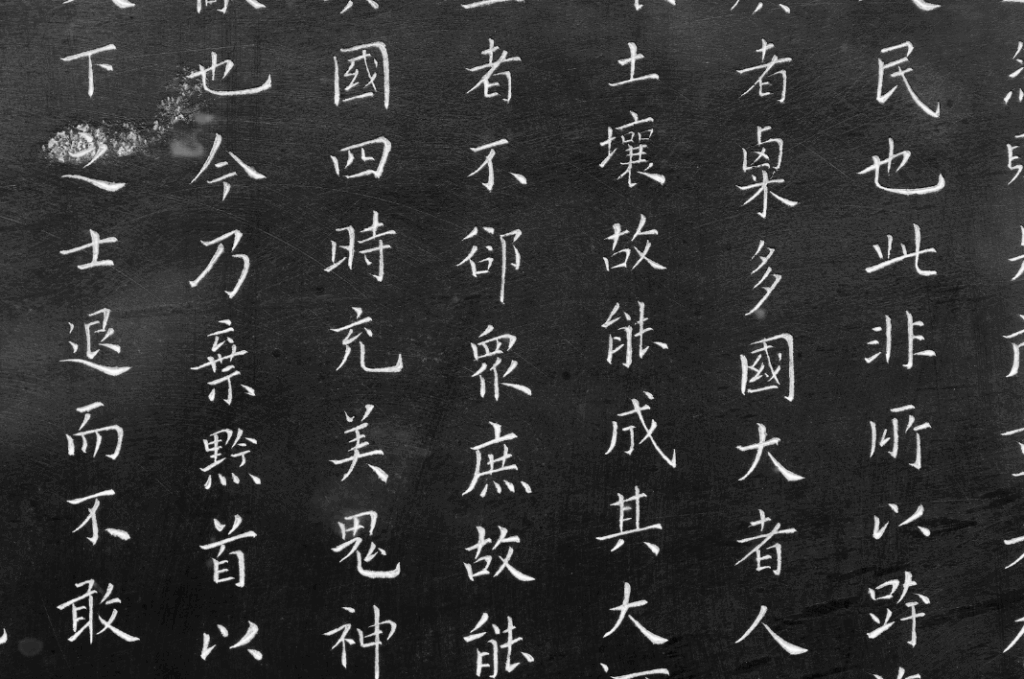
Traditional Chinese, referred to as zhèngtǐzì (正體字) or fántǐzì (繁體字), possesses a rich and intricate history that extends over thousands of years. These characters have developed organically from ancient pictograms and ideograms, having been meticulously refined for centuries by dedicated scholars, artists, and calligraphers who sought to preserve and enhance their beauty and meaning. Each stroke of these characters encapsulates the wisdom and cultural significance of Chinese civilization, rendering them not just a writing system but a profound expression of Chinese philosophy, literature, and art. They serve as an essential visual link to the past, enabling us to connect with the thoughts and emotions of those who lived centuries ago. Explore the fascinating history of Chinese characters and uncover how they have influenced and been influenced by the dynamic interplay between language, culture, and art throughout the ages.
Simplified Chinese, or jiǎntǐzì (简体字), is a relatively modern creation. In the mid-20th century, the government of the People’s Republic of China (PRC) initiated a series of reforms aimed at increasing literacy rates. The rationale was that the complex strokes of Traditional Chinese made them difficult to learn and write, hindering mass education. Simplified characters were created by reducing the number of strokes in many common characters, making them easier to memorize and reproduce. Understand the Chinese language reform.
Spotting the Difference: A Visual Comparison
The most conspicuous distinction between the two scripts resides in the visual complexity of the characters, which substantially influences their application and aesthetic allure. Simplified characters, for example, frequently possess fewer strokes, leading to a more streamlined appearance that significantly improves readability, particularly in dynamic contexts such as digital displays or signage. This simplification not only assists in expediting recognition but also promotes learning for individuals unfamiliar with the script. Below are several examples that exemplify this divergence:
- Love (愛): Traditional – 愛, Simplified – 爱
- Dragon (龍): Traditional – 龍, Simplified – 龙
- Speak (說): Traditional – 說, Simplified – 说
The Chinese writing system is rich and complex, featuring an array of characters that can vary significantly from one another. Some characters are vastly different, easily recognizable, and distinct, while others exhibit only slight variations that can be quite challenging to discern for newcomers. This complexity can certainly lead to confusion for learners who are attempting to engage with texts that incorporate a blend of both traditional and simplified scripts. These scripts not only represent different historical and cultural nuances but also serve various purposes in different contexts. To navigate this intricate landscape effectively and learn how to read Chinese more efficiently, we highly encourage you to explore our comprehensive guide specifically designed for learners like you. This guide will provide valuable insights and resources to help you understand these differences, enhancing your reading skills and overall comprehension of the Chinese language.
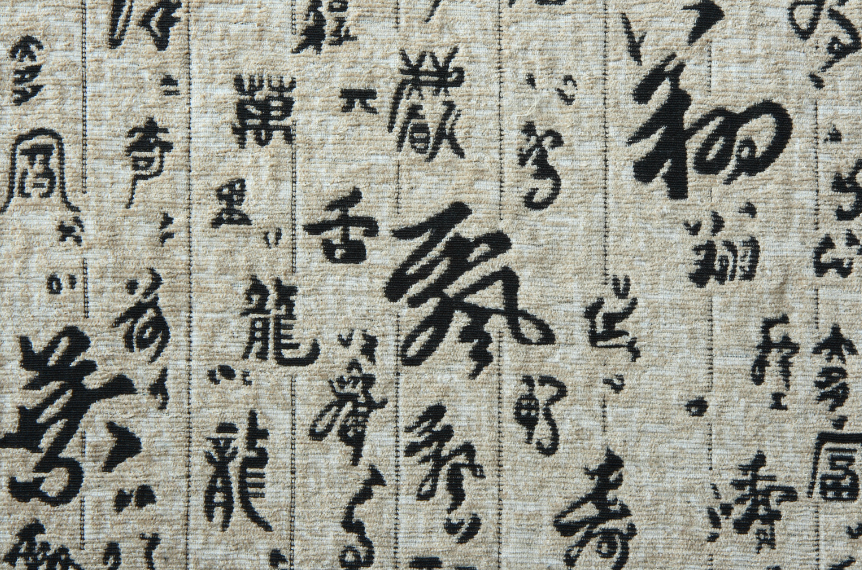
Preserving the Past: Why Traditional Chinese Matters to Taiwan and Hong Kong
In Taiwan and Hong Kong, Traditional Chinese remains the dominant writing system, reflecting a rich tapestry of cultural heritage and identity. This choice is not merely habitual; it embodies a conscious decision to preserve the nuances of their history, language, and traditions. The use of Traditional Chinese connects people with their ancestral roots and emphasizes the importance of cultural continuity in the face of globalization. By fostering pride in their linguistic heritage, both regions encourage a deeper understanding of their unique cultures and traditions. Dive deeper into the vibrant cultures of Taiwan and Hong Kong, and explore how their historical contexts shape contemporary life!
Cultural Connection
For many Taiwanese and Hong Kongers, Traditional characters represent a direct link to their cultural heritage. They see the script as a tangible connection to classical literature, historical texts, and traditional arts. The use of these characters is not merely a matter of preference; it is a profound symbol of identity and continuity. For these individuals, learning and using Traditional characters is an act of preserving a rich history that spans centuries. It is a way to honor past generations and keep their stories alive. Furthermore, the appreciation of Traditional characters extends beyond written language; it encompasses the visual beauty of calligraphy, the depth of literary tradition, and the intricate relationship between language and culture. In a rapidly modernizing world, adhering to Traditional characters serves as a reminder of the uniqueness of Taiwanese and Hong Kong cultures and their resilience against the tide of globalization which often prioritizes simplicity and efficiency over heritage.
Philosophical Depth
The debate surrounding the use of Simplified versus Traditional Chinese characters is rich with complexity and significance. Some scholars and linguists argue that Simplified characters, by virtue of their design, tend to lose the philosophical nuances that are deeply embedded in the structure of Traditional characters.
Traditional Chinese characters, with their intricate strokes and components, often carry symbolic meanings that reflect cultural values, historical context, and aesthetic principles. For example, certain character formations might incorporate elements that represent nature, virtues, or a collective memory of historical events. These layers of meaning can serve as a visual expression of the philosophical and cultural narratives that have shaped Chinese thought over millennia.
In contrast, Simplified characters, while designed for ease of writing and reading, may overlook these deeper connotations. The simplification process, aimed primarily at enhancing literacy rates, often removes the complexity and richness that can encapsulate philosophical ideas and cultural heritage. Thus, for those who appreciate the depth of language and the intertwining of symbolism and meaning, Traditional characters offer a more profound connection to the philosophy of the Chinese language.
Ultimately, the choice between Simplified and Traditional characters is not merely one of practicality or convenience; it is a reflection of a deeper engagement with the language’s philosophical and cultural identity. As such, it invites ongoing discourse about the preservation of linguistic heritage in a rapidly modernizing world.
Political Identity
In the context of complex and often fraught political relations with mainland China, the preservation of Traditional Chinese culture has emerged as a significant means for both Taiwan and Hong Kong to assert and celebrate their distinct cultural and political identities. This preservation not only serves as a reminder of their unique historical and social narratives but also reinforces their commitment to maintaining cultural autonomy in the face of external pressures. By promoting Traditional Chinese practices, language, and heritage, these regions carve out a space for themselves on the global stage, emphasizing the importance of diverse cultural representations in a rapidly changing world. This cultural resilience plays a crucial role in shaping their political stance and fostering a sense of solidarity among their populations, allowing them to navigate the complexities of their relationships with China while striving to preserve their individuality and self-determination.
Simplified Chinese Beyond Mainland China: Malaysia and Singapore’s Adoption
While Taiwan and Hong Kong have largely resisted the adoption of Simplified Chinese, Malaysia and Singapore made the switch. The reasons behind this decision are complex and intertwined with political and practical considerations.
Educational Reform
Both Malaysia and Singapore, much like mainland China, recognized the necessity of improving literacy rates among their populations as a means of fostering national development and promoting social cohesion. In their efforts to achieve this goal, both countries implemented various educational strategies tailored to their unique cultural contexts.
One significant initiative was the adoption of Simplified Chinese characters in their educational systems. This decision was rooted in the belief that Simplified Chinese provided a more efficient and accessible way to teach the language to a broader audience, ultimately enabling students from diverse backgrounds to gain proficiency more quickly.
By focusing on Simplified Chinese, Malaysia and Singapore aimed not only to enhance language education but also to bridge communication gaps within their multicultural societies, thereby fostering a sense of unity and shared understanding among their citizens. The push for improved literacy through such reforms reflects a broader trend in the region, where education is seen as a critical pillar for progress and modernity.
Economic Alignment
As trade and diplomatic ties with mainland China grew stronger over the years, the adoption of Simplified Chinese became increasingly vital. This shift not only facilitated clearer communication between various stakeholders but also significantly enhanced economic cooperation across different sectors. Businesses were able to engage more effectively with Chinese partners, fostering a more seamless exchange of ideas, goods, and services. Moreover, understanding and using Simplified Chinese allowed foreign enterprises to navigate the local market with greater ease, ultimately leading to more fruitful collaborations and a robust economic relationship between countries.
Political Considerations
In Singapore, the government took significant steps to promote a shared “Chinese identity” that resonated with the vision of the People’s Republic of China (PRC). This initiative was not merely a cultural alignment but a strategic effort to foster national unity among the diverse ethnic groups within the country. By adopting and encouraging the use of Simplified Chinese, the government aimed to create a common linguistic framework that would transcend individual differences and contribute to a cohesive national identity. Simplified Chinese, as a unifying factor, served to bridge gaps among various dialect speakers, allowing for a more inclusive approach to education and public discourse.
In contrast, Malaysia faced unique challenges in managing its multilingual landscape, particularly within the Chinese-speaking community. The decision to adopt a specific writing system was heavily influenced by the government’s desire to streamline educational processes. By reducing the complexities associated with maintaining two different writing systems, the Malaysian government sought to create a more efficient educational environment. This move was aimed at enhancing learning outcomes for students and minimizing confusion among educators while still honoring the rich cultural diversity that exists within the country. The overarching goal was to facilitate better communication and integration among the various ethnic groups, aligning educational practices with national policies that promote unity and harmony.
Chinese Leaders and Traditional Calligraphy: A Nuance of Cultural Authority
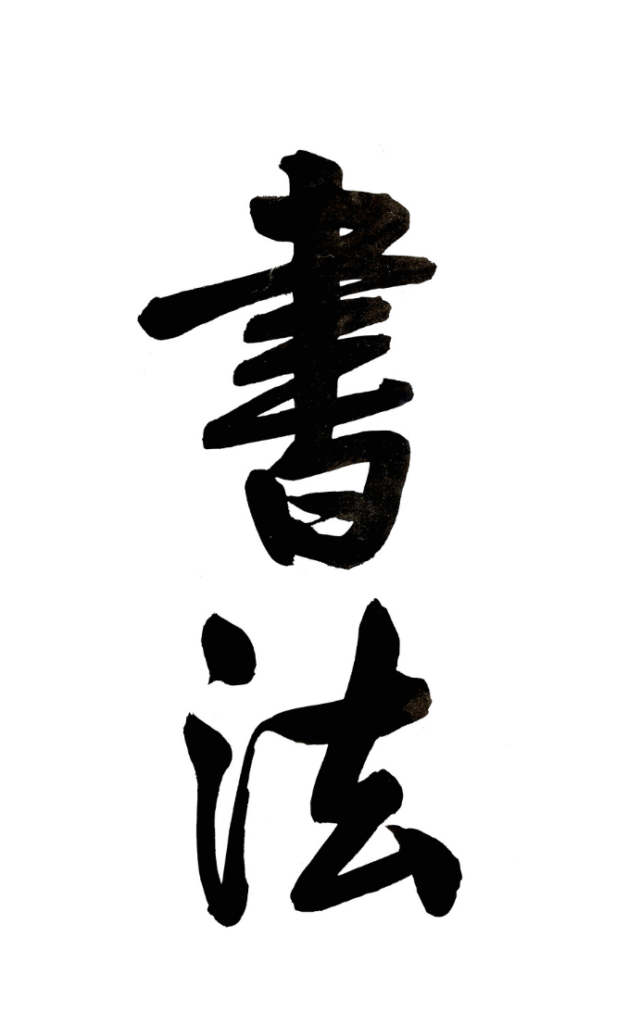
It’s interesting to note that even within mainland China, some prominent figures, including influential Chinese Communist leaders like Wen Jiabao and Jiang Zemin, have occasionally used Traditional Chinese calligraphy in both official settings and personal expressions. This raises an intriguing question: why do these leaders resort to such an ancient and culturally rich art form in their communications?
One possible reason could be the deep cultural significance that Traditional Chinese calligraphy holds in Chinese society. Calligraphy is not merely an art form; it represents a connection to the country’s historical roots and cultural heritage. By employing this art form, these leaders might be attempting to invoke a sense of continuity and respect for tradition in their governance and personal lives.
Furthermore, the aesthetic qualities of calligraphy can convey nuances of meaning and emotion that are sometimes lost in modern, standard forms of communication. This could allow leaders to express their thoughts and sentiments more poignantly. Additionally, utilizing Traditional calligraphy might serve to strengthen the leaders’ image, aligning them with the values of tradition and culture that resonate with many citizens.
In a rapidly modernizing China, where Western influences are increasingly present, the selective use of Traditional Chinese elements by political figures may also function as a political statement, championing a unique Chinese identity amidst globalization.
Thus, the instances of Traditional Chinese calligraphy usage by leaders like Wen Jiabao and Jiang Zemin can be seen as a deliberate choice that reflects a complex interplay of tradition, identity, and modernity.
Cultural Legitimacy
Calligraphy is a highly revered art form in Chinese culture, known for its intricate beauty and deep historical roots. Traditional Chinese characters are often regarded as not only more aesthetically pleasing but also more culturally authentic compared to their simplified counterparts. By employing Traditional Chinese calligraphy in their works and communications, leaders and influential figures create a rich dialogue with a long and prestigious artistic tradition that spans centuries. This choice enhances their cultural legitimacy, allowing them to forge stronger connections with their heritage and the values it embodies. Furthermore, engaging in this art form also serves to educate others about the significance of calligraphy in expressing cultural identity, thereby enriching the cultural landscape and reinforcing the enduring importance of traditional practices in a rapidly modernizing world.
Appealing to Overseas Chinese
Using Traditional Chinese can be a powerful way to connect with overseas Chinese communities not only in Taiwan and Hong Kong but also in various countries around the globe. These communities often maintain the use of Traditional Chinese characters in their daily lives, literature, and cultural expressions. By employing this script, one demonstrates a sincere gesture of cultural understanding and respect. Such an approach highlights the importance of heritage and encourages engagement with cultural identity, fostering a sense of belonging among overseas Chinese individuals. Additionally, it creates avenues for deeper connections and dialogue, bridging the gap between cultures and promoting appreciation for the rich history associated with the use of Traditional Chinese.
Personal Preference
Some leaders may simply have a personal preference for Traditional Chinese calligraphy, appreciating not only its artistic beauty and historical significance but also the cultural richness and depth it represents. This form of art, steeped in centuries of tradition, often evokes a sense of nostalgia and reverence, reminding viewers of the philosophical and spiritual principles underlying the practice. Furthermore, the meticulous brushwork and the harmony of form and meaning in each character can serve as a source of inspiration and reflection for those who value craftsmanship and discipline. As such, for these leaders, traditional calligraphy is much more than an aesthetic choice; it is a profound connection to heritage and identity.
A Cultural Perspective: More Than Just Words
The discourse surrounding Traditional versus Simplified Chinese transcends mere linguistic efficiency. It encompasses essential inquiries regarding cultural preservation, historical continuity, and the very essence of Chinese identity.
“Language is more than just a tool for communication; it’s a repository of cultural memory,” argues Professor Wang, a linguist specializing in Chinese dialects and cultural studies. “The characters we use shape the way we think and perceive the world around us. Language and culture are deeply intertwined; they influence not only our beliefs and values but also the very framework through which we understand our experiences and navigate our lives. By preserving Traditional Chinese, we are preserving a valuable part of our cultural heritage, ensuring that future generations can access and appreciate the rich history and traditions that have been passed down through the ages. This preservation is not merely about maintaining linguistic forms; it’s about safeguarding our identity and the stories that define us. Furthermore, maintaining these linguistic forms helps to safeguard the diversity of thought inherent in different cultures. It allows for a broader spectrum of ideas and perspectives to flourish in an increasingly homogenized world. In a time when the global landscape is rapidly changing and languages are fading, our commitment to Traditional Chinese stands as a testament to resilience and the importance of diversity in human expression. Each character we preserve is a bridge connecting us to our ancestors and a beacon for future generations, encouraging them to explore their roots and cultural narratives, thus fostering a sense of belonging and continuity that is essential in today’s global society.”
Concerns in Taiwan and Hong Kong: A Future at Risk?
The increasing influence of mainland China has raised significant concerns in both Taiwan and Hong Kong regarding the potential erosion of Traditional Chinese culture and practices. Many fear that as mainland policies gain traction, there could be a diminishing appreciation for the unique traditions that have been preserved in these regions. This anxiety reflects a broader apprehension about cultural identity and autonomy in the face of growing mainland dominance, prompting discussions about how to safeguard and promote Traditional Chinese values amidst these rapid changes.
Cultural Homogenization
Amidst the globalizing forces of communication and commerce, there are growing concerns that the widespread promotion of Simplified Chinese may contribute to a gradual homogenization of Chinese culture. This phenomenon could potentially diminish the rich, unique identities that distinguish regions such as Taiwan and Hong Kong. Taiwan, with its vibrant history and cultural heritage, has developed distinct traditions, languages, and social practices that reflect its diverse influences. Likewise, Hong Kong, as a bustling metropolis at the crossroads of East and West, possesses a unique blend of Eastern philosophies and Western practices. The fear is that as Simplified Chinese becomes more prevalent in education, media, and official discourse, the local cultures of these regions may become overshadowed, leading to a loss of their individual characteristics and a more uniform cultural landscape across Greater China.
Economic Pressure
As economic ties with mainland China grow, businesses and individuals are increasingly feeling the pressure to adopt Simplified Chinese for various purposes, including business communication, marketing, and customer engagement. This shift is not just a matter of practicality; it represents a significant cultural shift that poses a dilemma for many.
On one hand, embracing Simplified Chinese can open up new opportunities in a rapidly expanding market, allowing for more effective communication with potential partners and customers in China. It can enhance competitiveness and facilitate smoother transactions in the global economy.
On the other hand, the push towards Simplified Chinese raises concerns about the preservation of linguistic diversity and cultural identity. Many professionals and organizations fear that by adopting this simplified version of the language, they may inadvertently dilute their cultural heritage and alienate those who speak traditional forms of Chinese.
Moreover, this dilemma is not limited to language alone; it encompasses broader issues of cultural preservation versus economic necessity. As globalization continues to shape the dynamics of business, finding a balance between these competing interests will be crucial for individuals and businesses striving to navigate this complex landscape without losing sight of their identity.
Educational Shift
Concerns are increasingly emerging with regard to the gradual transition towards the utilisation of Simplified Chinese in educational materials, which could further erode the prevalence and significance of Traditional characters within both academic and cultural contexts. This transition may not only adversely affect language education but also have ramifications for cultural heritage, as Traditional characters possess substantial historical and artistic significance. Each character serves as a reflection of the cultural narratives and philosophical foundations that shape the Chinese ethos, thereby rendering their continued usage essential for conveying traditional concepts and beliefs. Furthermore, the aesthetic qualities associated with Traditional characters enhance the visual richness of literature and art, which may be compromised by an exclusive focus on Simplified forms.
Stakeholders in education, including teachers, parents, and policymakers, are urged to consider the broad implications of such changes. It is imperative to ensure a balanced approach that honors both forms of the language, fostering an environment where students can appreciate the nuances and histories that Traditional characters represent.
Thus, sustaining the use of Traditional characters is seen as vital for preserving cultural identity and linguistic diversity within Chinese-speaking communities. This preservation is not merely an act of nostalgia, but rather a critical effort to maintain a rich tapestry of history and tradition that informs the present. An integrated curriculum that showcases both Simplified and Traditional characters can empower students with a comprehensive understanding of their linguistic heritage. By engaging with both forms of writing, students develop a deeper appreciation for the nuances of the Chinese language, preparing them to engage with both modern and historic texts meaningfully. Moreover, such an educational framework fosters an environment where learners can cultivate critical thinking skills, linguistic dexterity, and cultural empathy. Collaborative dialogues among stakeholders—including educators, policymakers, and community leaders—will be essential in crafting policies that promote the appreciation and understanding of the full spectrum of the Chinese language. These dialogues can lead to the development of resources and programs that not only teach the characters but also celebrate the cultural narratives they carry, thereby strengthening community ties and enhancing the overall literacy of future generations.
The future of Traditional Chinese and Simplified Chinese presents a complex and evolving issue that encompasses not only linguistic differences but also broader socio-cultural implications. While Simplified Chinese has undoubtedly contributed to increased literacy rates in mainland China, enabling millions to engage with written language more easily, the preservation of Traditional Chinese is crucial for maintaining cultural diversity and ensuring historical continuity within the broader Chinese-speaking world. Given that Traditional Chinese possesses a deep-rooted connection to classical literature, philosophy, and cultural practices, its significance transcends mere communication. The ongoing dialogue surrounding these two Chinese writing systems underscores the enduring power of language to shape identity, preserve heritage, and connect individuals to the past. This discussion is not only pertinent to academia and policymakers but also to everyday speakers and writers, who navigate the nuances between these two forms. As we look toward the future, it is essential to cultivate environments where both writing systems can coexist, allowing individuals to appreciate the richness of the language and its various manifestations in contemporary society, while concurrently honoring the traditions that have shaped it throughout history.